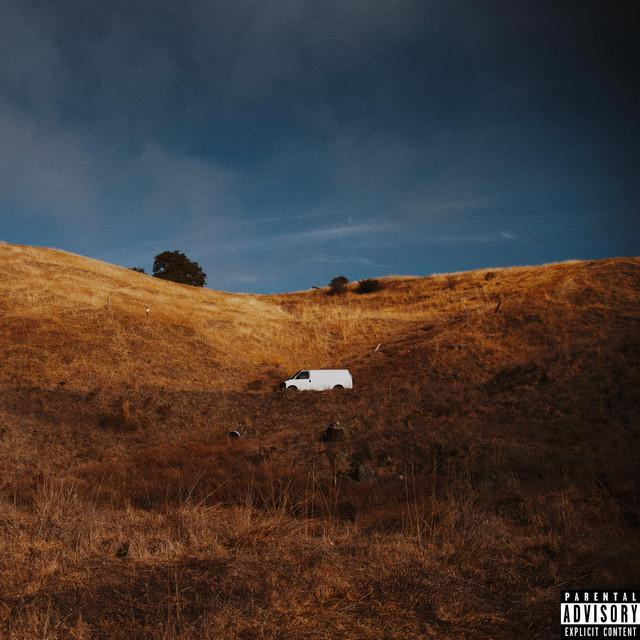
Opia by Art Morera
Art Morera’s “Opia” turns a simple social act—looking someone in the eye—into a test of truth, danger, and self-control. The meaning of Opia Art Morera centers on how people reveal themselves even when they try not to. In this song, eye contact becomes evidence. A glance, a pause, or a lowered stare can feel more honest than words.
"Opia" - Art Morera
Yeah, uh
Look me in my eye, if you look away, it means you must have something to hide
Loading lyrics...
Unable to load lyrics
We're unable to display the lyrics at this time. Please try again later.
The title points to “opia,” a term often used to describe the strange intensity of looking into someone else’s eyes. Morera builds the whole track around that idea. He treats vision as both connection and threat, which gives the song its uneasy energy.
A Song About Reading People Under Pressure
At its core, “Opia” is about suspicion. The narrator studies another person closely, trying to decide whether they are trustworthy or dangerous. Early on, Morera suggests that people present only a version of themselves, a curated sample made for others to judge. That opening idea frames the whole song: identity is performative, and real motives stay hidden.
From there, the verses move like a tense conversation. The narrator watches for small signs—avoided eye contact, a shaky voice, delayed responses. When Morera says look away
, the phrase is not just descriptive. It becomes a clue. In this world, looking away may signal guilt, fear, or a plan that has not been spoken out loud.
Interpretation: The song is not simply about one suspicious encounter. It also reflects a broader survival mindset, where reading people correctly feels necessary. Trust is risky, so observation becomes protection.
The Eyes Are the Real Story
The chorus is the emotional and thematic center of the song. Morera repeats the idea that when someone speaks and cannot hold eye contact, their face may be revealing what their words hide. The line mine are opaque
is especially important. It suggests that the narrator believes they have learned to conceal their own feelings, even while reading everyone else.
That creates a sharp imbalance. One person is trying to decode; the other is being decoded. The repeated phrase show too much
implies that eyes betray emotion, motive, and fear whether someone wants them to or not.
When you speak, and you look away
I think I see what you're trying to say
This short refrain explains the song’s central logic. Speech can lie, but the body leaks truth. The title “Opia” therefore works on two levels: it describes the intensity of eye contact, and it points to the discomfort of being seen too clearly.
Verse Two Turns Paranoia Into a Plot
The second verse raises the stakes by turning suspicion into a near-crime scenario. The narrator imagines that another person and their crew may be setting them up for a robbery. Details about hesitation, side conversations, and watching movements build a story where danger might arrive at any second.
This is where “Opia” becomes especially vivid. Morera does not present fear as wild panic. Instead, it sounds trained, watchful, almost practical. He notices patterns, tests reactions, and keeps emotional distance. The phrase eyes chico
, borrowed from Scarface, reinforces the idea that the eyes expose what words try to hide. It also adds a pop-culture lens to the song’s worldview: staying alive means seeing the setup before it happens.
Interpretation: Whether the threat is real or only suspected matters less than the mindset itself. The song captures what it feels like to live in a state of guarded alertness.
Persona, Privacy, and Self-Protection
Another strong layer in the meaning of Opia Art Morera is the way the song links introversion with defense. Morera admits that the narrator is not naturally open or talkative. They hold back around strangers and only open up later, if at all. That detail matters because it makes the suspicion feel personal, not theatrical.
The song’s opening claim that people offer up only a “sample” of themselves fits here too. Everyone is managing an image. Everyone is choosing what to reveal. In that sense, the narrator is not fully different from the person they distrust. Both sides are controlling access.
That tension gives the song more depth than a simple warning tale. It asks a hard question: if everyone hides part of themselves, how can anyone tell the difference between normal caution and real deceit?
How the Sound Supports the Lyrics
Even without extensive production credits available here, the writing suggests a restrained hip-hop approach: conversational flow, close observation, and a hook that lands through repetition rather than big melodic release. The beat likely works best if it leaves room for detail, because the song depends on small verbal cues and shifting tension.
Morera’s phrasing also matters. Much of the writing feels like quiet deduction rather than explosive confrontation. That makes the song more believable. Instead of shouting paranoia, the narrator speaks like someone calculating risk in real time.
Why “Opia” Sticks With Listeners
What makes “Opia” memorable is that it takes an ordinary act—eye contact—and makes it loaded. Most people know the feeling of trying to read someone’s face during an awkward, uncertain, or unsafe moment. Morera stretches that feeling into a full theory of human behavior.
The result is a song about more than mistrust. It is about perception itself: how people watch, hide, guess, and protect themselves. The meaning of Opia Art Morera comes through most clearly in that uneasy space between what is said and what is silently revealed.
Final Take
“Opia” portrays a narrator who believes survival depends on reading what others cannot fully conceal. Through eye imagery, guarded storytelling, and a steadily suspicious tone, Art Morera turns observation into a form of armor.
That said, song interpretation is never absolute. This reading is an informed interpretation based on the lyrics provided, and other listeners may hear different shades of meaning in “Opia.”








