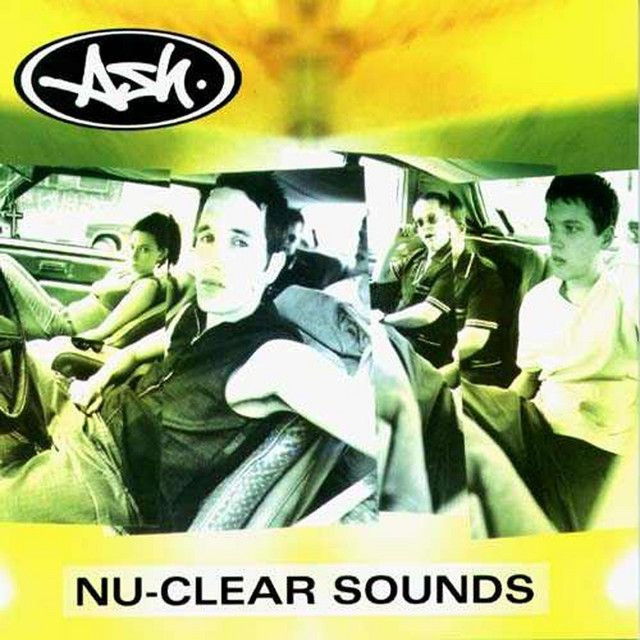
Why 'Jesus Says' by Ash Feels So Unmoored
The meaning of Jesus Says Ash becomes clearer once they hear how the song balances panic, disgust, and dependence. It sounds like a person dropped into a world that feels too large, too fake, and too cruel. Even without a detailed story, the lyrics sketch emotional whiplash: nausea, loneliness, anger, and a desperate reach for something real.
"Jesus Says" - Ash
Throwing up and feeling small
Where have I gone and landed tonight
Loading lyrics...
Unable to load lyrics
We're unable to display the lyrics at this time. Please try again later.
Ash are the Northern Irish alternative rock band formed by Tim Wheeler, Mark Hamilton, and Rick McMurray, a lineup widely documented in standard band histories. The song itself is credited here to Mark Alexander Hamilton and Tim Wheeler, which matches the writing emphasis fans often associate with the group’s sharp, direct style.
A Song About Alienation, Not Certainty
At the simplest level, the song is about being overwhelmed in a hostile place and clinging to one human connection. The narrator feels far from home, physically sick, and emotionally reduced. Early images like million light years from home
and feeling small
make that clear without needing much explanation.
That sense of distance is not only geographic. It is psychological. They are in a place where the values seem wrong, where image and ambition have replaced honesty. When the lyric points to NYC and hostility
, the city feels less like a travel note and more like a symbol of pressure, speed, and social coldness.
Interpretation: the song is not just about New York. It uses the city as shorthand for a wider modern environment that feels ruthless and fake.

Watch the official Jesus Says
music video
The Emotional Center Hides in One Repeated Idea
The most important line of thought is the repeated claim that there is something the narrator cannot live without, and that it is in your hand
. The song never fully explains what that “something” is.
That vagueness matters. It gives the song tension. The narrator sounds disgusted by the world, but still attached to one person, one comfort, or one saving force. In plain terms, the song says: everything around me feels false, but one thing still feels necessary.
Interpretation: that “something” could be love, emotional safety, validation, or even a drug-like dependence on another person’s attention. The lyric keeps it open, and that openness is part of the song’s power.
When the Chorus Turns Pain Into Defiance
The chorus shifts the song from wounded confusion to resistance. Phrases like cut down shot down
describe a world where people are judged, used, and discarded. The next idea is even harsher: nothing comes free, and everyone is expected to compete.
Instead of surrendering, the narrator answers with contempt. Status, size, and social rank start to look meaningless. The contrast between “big time” and “small time” suggests a culture obsessed with success labels. The narrator rejects that whole system.
This is why the chorus lands so hard. It is not hopeful, exactly. But it does sound like a person refusing to be measured by a shallow world.
The Song’s Images of Sickness and Distance
Several images repeat to create the song’s mood:
- distance from home
- physical nausea
- emotional smallness
- urban hostility
- fake people and petty theft
- a needed thing held by someone else
Together, these details make the narrator sound disoriented and vulnerable. The vomiting image is especially important. It suggests more than stress. It implies the body itself is rejecting the environment.
That helps explain the song’s bitter view of society. The lyric about a soulless superficial void
is blunt, but it fits the larger picture. This is a speaker who feels that honesty has no value in a performative culture.
Does the Title Point to Religion?
The title invites a religious reading, but the lyrics themselves do not strongly develop one. There is one plea to God for strength, and that gives the song a flash of spiritual language. Still, the track does not unfold like a sermon, prayer, or theological statement.
That matters for the meaning of Jesus Says Ash. The title may be ironic, provocative, or meant to frame the song in moral terms. It may suggest judgment, truth, or the search for something pure in a contaminated world.
A broad cultural note helps here: Ash Wednesday, in Christian tradition, marks repentance, mortality, and the need to turn back to God, themes commonly summarized in liturgical language about dust, repentance, and self-examination. That background can make listeners hear “Jesus” as a sign of moral reckoning, even if this song stays mostly secular in its details.
Interpretation: the title may work less as doctrine and more as contrast. A holy-sounding phrase hangs over a song full of disgust with human falseness.
How the Sound Carries the Meaning
Ash built their reputation on fast, melodic alternative rock, and that style is a strong match for this lyric. The song’s force likely comes from crunchy guitars, forward momentum, and a vocal that feels half-exasperated, half-wired.
That matters because the words are about collapse, but the music pushes ahead. This creates a useful contradiction. The narrator sounds shaken, yet the band plays with drive and bite. The result feels like panic converted into motion.
In practical terms, the instrumentation helps the song avoid self-pity. Loud guitars give the disgust weight. A tight rhythm section makes the chorus feel less like complaint and more like rebellion.
A Clear Takeaway on What It Means
In the end, “Jesus Says” is about alienation in a world that rewards surface over sincerity. The narrator feels sickened by social competition, cut off from home, and stranded among people who seem false. Yet one bond still matters, and that dependence keeps the song emotionally alive.
That is the strongest reading of the meaning of Jesus Says Ash: a portrait of disgust, vulnerability, and defiance all at once.
Disclaimer: This interpretation is based on the lyrics provided and commonly known artist context. Like many rock songs, “Jesus Says” leaves room for multiple readings.








