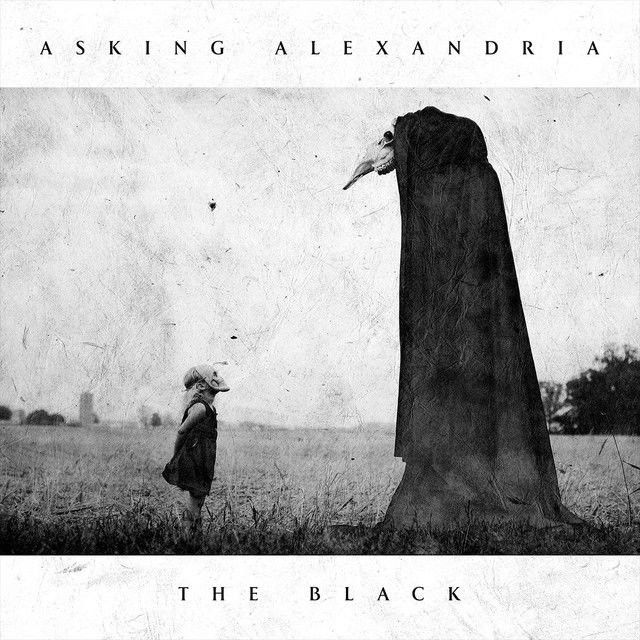
I Won't Give In by Asking Alexandria
Why This Song Hit So Hard in 2015
The meaning of I Won't Give In Asking Alexandria starts with a real band turning point. The song arrived on May 27, 2015 as the first single from The Black and the first Asking Alexandria release with Denis Stoff on lead vocals after Danny Worsnop left earlier that year. It was written by Ben Bruce, James Cassells, Denis Stoff, and Joey Sturgis, and produced by Sturgis, a key figure in modern metalcore and post-hardcore. Those facts matter because the song does not sound like a random breakup track. It feels like a public response to a crisis inside the band.
"I Won't Give In" - Asking Alexandria
I watch you slip away
You're slowly killing yourself
Loading lyrics...
Unable to load lyrics
We're unable to display the lyrics at this time. Please try again later.
Reports around the release also shaped how listeners heard it. Ben Bruce said the lyrics were aimed at Worsnop, while Worsnop himself reacted calmly and said it was good to hear the band still doing well. That context gave the single extra weight. It was not just a comeback song. It was a statement of survival.

Watch the official I Won't Give In
music video
The Core Meaning: Refusing to Abandon Someone
At its heart, the song is about watching someone self-destruct and refusing to walk away. The speaker sees another person fading, making harmful choices, and slipping beyond reach. The repeated line about watching them slip away
makes that pain direct and visual.
At the same time, the title phrase I won't give in
changes the song from grief into resistance. They are hurt, frustrated, and tired, but they still refuse to quit on that person. This creates the song's main tension: love and loyalty versus damage and exhaustion.
Interpretation: Even if listeners do not know the band drama, the song still reads clearly as a plea to someone in a downward spiral. It can fit addiction, depression, or any destructive pattern where one person keeps trying to help while feeling powerless.
A Voice Caught Between Anger and Rescue
The verses show a speaker who is not calm or detached. They are emotionally tangled up in the other person's suffering. When the song asks if the other person would stay and listen, it reveals a fear that the bond is no longer equal. One side is begging to be heard while the other is disappearing.
The phrase ghost of what's left
is especially important. It suggests that trying to save this relationship has changed the speaker too. They are not only watching damage happen. They are being hollowed out by it.
That is why the song feels more desperate than heroic. The speaker wants to save the other person, but they also need saving themselves. In plain terms, this is a song about emotional burnout as much as devotion.
How the Chorus Carries the Theme
The chorus works because it is simple and relentless. It keeps returning to observation, harm, and refusal. The speaker sees the problem clearly. They believe the other person is slowly killing yourself
. Then comes the answer: they still will not surrender.
Every breath you take
I watch you slip away
You're slowly killing yourself
I won't give in
This is the song's emotional engine. The first half is helpless witness. The last line is stubborn will. That contrast is why the hook sticks. It says, in effect: "They can see the wreck happening, and they are still standing there trying to stop it."
Band Context Changes the Meaning
Knowing the band history sharpens the message. Asking Alexandria was introducing a new singer and proving they could keep going after a high-profile lineup change. In that setting, the song doubles as a message from the band itself: they were bruised, but not broken.
Interpretation: If the lyrics are read as directed at Worsnop, the song becomes less like a private confession and more like a complicated farewell. It mixes accusation with care. They seem to say that they watched someone self-destruct, tried to help, and finally had to define themselves against that collapse.
That helps explain why the song connected with fans. It reached No. 16 on Billboard's Mainstream Rock chart and later earned Gold certification in the United States. Those milestones suggest that listeners heard something bigger than band gossip. They heard pain turned into resolve.
Why the Sound Feels So Urgent
The production reinforces the message. Joey Sturgis gives the track a polished but aggressive mix: sharp guitars, hard-hitting drums, and a vocal arrangement that moves between melody and force. That balance matters. The melodic sections carry grief and pleading, while the heavier parts push out frustration and determination.
Denis Stoff's performance is central here. Because this was his debut with the band, every line carried extra pressure. He sounds like someone trying to prove both emotional conviction and raw power. That makes the chorus feel less like a sad statement and more like a vow.
The pacing also helps. The song does not wander into abstract poetry. It drives forward, repeating its central ideas until they feel obsessive. That repetition mirrors what the lyric describes: when someone they care about is in trouble, the thought loops and will not let go.
The Most Useful Way to Read It
For most listeners, the best way to understand the meaning of I Won't Give In Asking Alexandria is this:
- They are watching someone fall apart.
- They feel angry, scared, and deeply attached.
- They are being damaged by the situation too.
- Even so, they refuse to stop caring.
That mix of accusation and loyalty is what gives the song its staying power. It is not a simple "fight song." It is a song about what fighting for someone costs.
Final Take
"I Won't Give In" endures because it turns a specific band moment into a broad emotional message. It captures the helplessness of watching someone self-destruct, the resentment that follows, and the stubborn hope that keeps a person from walking away.
For that reason, the song feels both personal and public, wounded and defiant. Interpretation disclaimer: song meaning is never completely fixed, and listeners may hear it as a band statement, a relationship plea, or a broader anthem about refusing to abandon someone in darkness.







