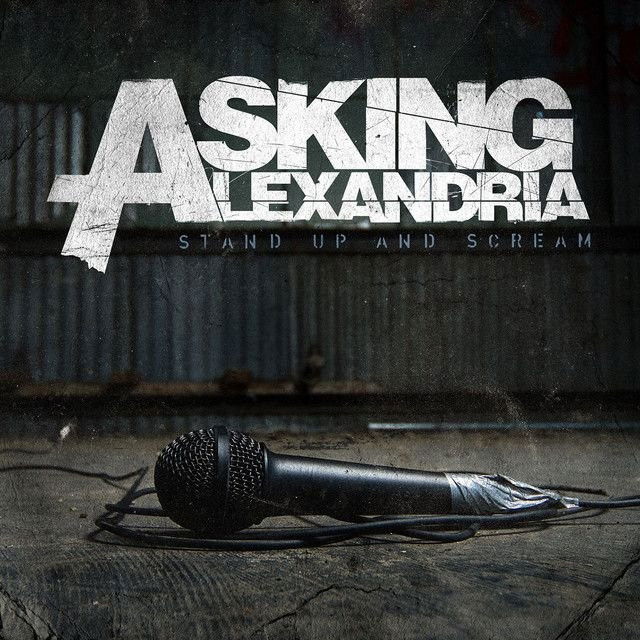
Not the American Average by Asking Alexandria
The blunt core of the song
For listeners searching for the meaning of Not the American Average Asking Alexandria, the short answer is this: they present a toxic, lust-driven encounter that quickly turns ugly. The song is not built around romance, trust, or even real intimacy. Instead, it shows desire as performance, conquest, and frustration.
"Not the American Average" - Asking Alexandria
Come on, baby
Keep it down
Loading lyrics...
Unable to load lyrics
We're unable to display the lyrics at this time. Please try again later.
Released on the band's debut album Stand Up and Scream in 2009, the track helped define their early image in the metalcore and electronicore scene. Asking Alexandria were known for mixing breakdowns, synths, and shock-value writing during that era. In that context, this song reads like an extreme portrait of nightlife, objectification, and emotional emptiness rather than a healthy relationship.

Watch the official Not the American Average
music video
A night of lust with no real connection
At the start, the narrator frames the scene as immediate and physical. The details suggest a fast hookup, with almost no personal bond. When they admit they do not even know the other person's name, the song makes its central idea clear: this is about impulse, not connection.
Short phrases like hush your lips
and make this night worth my time
show that the narrator treats the encounter as a transaction. The other person is reduced to a role. They are not described as an individual with feelings or depth.
That is why the song feels so cold even before it becomes openly hostile. Its world is one where bodies matter more than people, and where excitement fades almost as soon as it begins.
Where the uglier meaning comes in
The track is often remembered for its explicit insults, but those words matter because they expose the narrator's mindset. The language is cruel, degrading, and controlling. Rather than describing mutual desire, the song moves toward contempt.
Interpretation: this shift suggests that the song is not only about sex. It is also about power and disappointment. The narrator seems to chase intensity, then reacts with anger when the fantasy fails to satisfy.
That is why one of the recurring ideas is not pleasure, but collapse. The line about another disappointment
points to a pattern. This is not a special night. It is one more messy repetition in a cycle of wanting, taking, and feeling empty afterward.
One step too late
I can't take
another disappointment
Those lines are brief, but they reveal more than the louder insults do. For a moment, the song drops the swagger and hints at frustration underneath it.
How the verses and chorus connect
The verses set up a scene of reckless attraction. The hook then turns that attraction into spectacle. Much of the song's impact comes from how it repeats physical and humiliating images until they sound less seductive and more desperate.
When the narrator says screaming for more
, the song tries to sound triumphant. But because of everything around it, that phrase can also sound hollow. They want proof of control, proof of desirability, proof that the night means something. Yet the song keeps showing the opposite.
Interpretation: the chorus works like overcompensation. The louder the narrator boasts, the more the song hints at insecurity. Their aggression may be covering up dissatisfaction, rejection, or a deeper fear of not being enough.
Sound as meaning: why the music feels so hostile
Part of the meaning of Not the American Average Asking Alexandria comes from the production, not just the words. The track uses a sharp mix of electronic textures, screamed vocals, and heavy breakdowns associated with late-2000s metalcore. That sound gives the song a club-meets-warzone feeling.
The synth intro and danceable pulse suggest nightlife and seduction. Then the guitars and screams hit with force, turning that mood into confrontation. Clean vocals and harsh vocals also split the song's personality. One side sounds inviting, even catchy. The other sounds furious and unstable.
This contrast matters. It mirrors the song's central tension: attraction on the surface, hostility underneath. The music does not soften the lyrics; it amplifies them.
Artist context and why the song hit so hard
In their early years, Asking Alexandria built a reputation on excess: loud hooks, breakdown-heavy songs, and provocative lyrics. Stand Up and Scream became a key release of that scene, and this track was one reason people paid attention. Its shock factor helped it spread, but that same factor also made it divisive.
Some fans heard it as a raw, chaotic anthem of the band's era. Others saw it as misogynistic and needlessly degrading. Both reactions make sense because the song was designed to provoke.
Factually, the song is credited to Benjamin Bruce, Danny Worsnop, and James Cassells, and it reflects the extreme tone common in parts of scene-era metalcore. Still, context explains the song; it does not excuse its language.
The strongest interpretation
The best reading is that the song dramatizes a culture of emptiness disguised as excitement. It shows a person chasing validation through sex, dominance, and spectacle, only to end in bitterness. The result is less a love song than a portrait of self-destruction.
There is a reason the song still sparks debate. Its energy is undeniable, but so is its nastiness. That tension is exactly why people keep discussing it.
Final takeaway for listeners
So what is the meaning of Not the American Average Asking Alexandria? They use explicit imagery and violent language to portray a night of lust that reveals disgust, disappointment, and emotional vacancy. Beneath the shock, the song is about objectification and the collapse of fantasy.
Listeners can hear it as a document of a specific scene-era attitude, or as a warning about what happens when desire is stripped of empathy. Either way, its meaning comes from the same place: a brief thrill that curdles into anger.
Disclaimer: This interpretation is based on the lyrics, musical context, and public reception. Song meaning can vary from listener to listener.








