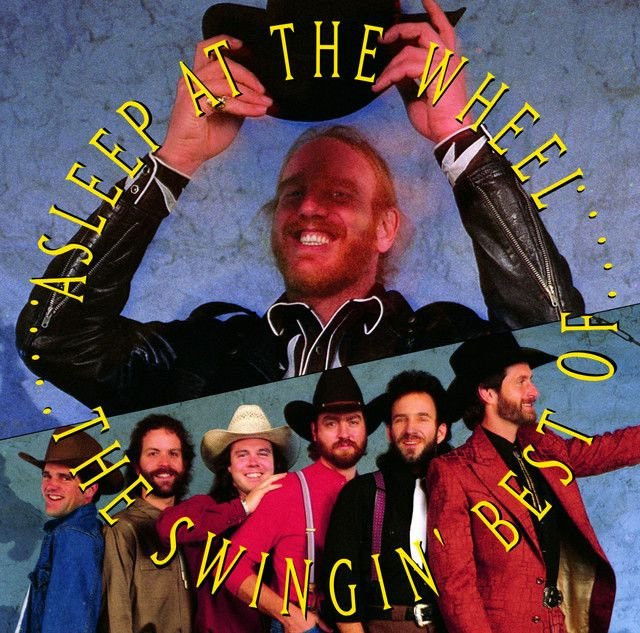
Why Asleep at the Wheel Heads for Texas
The meaning of Don't Ask Me Why (I'm Going To Texas) Asleep at the Wheel starts with a simple idea: some places feel less like destinations and more like home. This song is not built around deep mystery or heartbreak. Instead, it celebrates a pull toward Texas that feels emotional, cultural, and musical all at once.
"Don't Ask Me Why (I'm Going To Texas)" - Asleep at the Wheel
Cause the reason I just don't know
But I've got a little gal down in Houston
Loading lyrics...
Unable to load lyrics
We're unable to display the lyrics at this time. Please try again later.
Asleep at the Wheel have long been tied to western swing and Texas dancehall culture, so the song lands as more than a travel tune. It sounds like a statement of belonging. The singer cannot fully explain the choice, but they know where they want to be.
The Heart of the Song Is Belonging, Not Logic
At the center of the lyric is the repeated idea Don't ask me why
. Before and after that phrase, the song makes clear that the speaker does not need a neat reason. They are pulled by affection, memory, music, friendship, and atmosphere.
That matters because the lyric keeps turning away from hard explanation and toward lived feeling. They mention a girl in Houston and friends in San Antonio, which gives the song personal roots. But the emotional point is bigger: Texas represents a social world where they feel recognized.
Interpretation: the song treats belonging as instinct. The speaker is not making a case; they are following a bond that already feels true.
Watch the official Don't Ask Me Why (I'm Going To Texas)
music video
A Map of Texas Becomes a Map of Identity
One smart thing about the writing is how it moves across the state. Houston, San Antonio, Austin, Dallas, Amarillo, and El Paso all appear, turning the song into a rolling map. These city names do more than add detail. They suggest a wide cultural space linked by radio, dance, and shared tradition.
When the lyric points from Austin up to Dallas
, it creates motion. The song feels like a drive, a tour, or a band on the road. That movement fits Asleep at the Wheel especially well, since their career has been built on keeping regional styles alive for broad audiences. Their official biography explains their long role in preserving western swing.
So the trip to Texas is not only geographic. It is a move toward a musical identity.
Love, Friendship, and Music All Pull in the Same Direction
The song gives three main reasons for going, even while pretending there is no reason at all:
- romance n- friendship
- music and nightlife
The romantic part is light but important. A little gal down in Houston
gives the song a human anchor. The friends in San Antonio widen that feeling from one relationship to a whole community.
Then the song reaches the strongest motive: sound. The line about loving those Texas fiddles
ties the state directly to western swing. This is where artist context sharpens the meaning. Asleep at the Wheel are famous for reviving the style associated with Bob Wills, and the song directly names Wills as part of Texas radio life. The band’s Grammy profile reflects that long connection to roots music.
That means the singer is not just heading somewhere fun. They are heading toward the sound that defines them.
How the Chorus Turns State Pride into Comfort
The chorus does not praise Texas in a loud, chest-thumping way. Instead, it frames the state as the place where the speaker naturally fits. The key idea is that it is where I should be
.
That small phrase matters. It shifts the song from tourism to belonging. Texas is not presented as fantasy. It is presented as alignment. The mention of space under a southern or Texas moon adds ease and openness, making the state feel physically and emotionally roomy.
there's a lot of room
beneath that Texas moon
In context, those lines suggest freedom, not isolation. The room is space to dance, play, roam, and be oneself.
The Sound Sells the Meaning
Production and style are crucial to the song’s message. Even without reading the words, a listener can hear what it values. The likely swing rhythm, bright fiddle presence, and easy barroom energy make the track feel communal rather than introspective.
That matters because the lyric celebrates dancing, singing, and beer-drinking as parts of regional identity. A stiff or polished pop arrangement would weaken the idea. A western swing or country setting, by contrast, turns the song into an invitation to join the floor.
Asleep at the Wheel have spent decades using fiddles, steel, piano, and danceable grooves to keep this tradition moving. In that context, the song becomes both tribute and self-portrait. They are not only singing about Texas culture; they are performing it.
Two Useful Ways to Read the Song
Reading One: A Straight Texas Love Song
On the surface, this is the clearest reading. The singer loves the people, the music, the places, and the mood. The song works as a warm postcard to the state and its dancehall spirit.
Reading Two: A Mission Statement in Disguise
Interpretation: it can also be heard as a statement about artistic identity. Because the lyric mentions Bob Wills, radio, fiddles, and multiple Texas cities, the song reads like a declaration that this tradition still matters. Going to Texas means returning to the source.
That second reading fits Asleep at the Wheel especially well. For them, Texas is not just scenery. It is the home base of a sound.
Why the Song Still Connects
The meaning of Don't Ask Me Why (I'm Going To Texas) Asleep at the Wheel lasts because many listeners know the feeling it describes. People often cannot fully explain why one place feels right. They just know it holds their people, their memories, and their music.
This song says that kind of truth does not need overthinking. It can ride on a fiddle line, a list of cities, and a chorus that trusts instinct over argument. Texas becomes both real place and emotional shorthand for belonging.
Disclaimer: This interpretation is based on the released lyric, the band’s known western swing context, and critical reading. As with any song, listeners may hear different meanings.








