Why 'Alien' Feels So Human
The meaning of Alien Atlanta Rhythm Section comes down to a simple but powerful idea: a person can feel lost even in the middle of everyday life. Despite its title, this 1981 hit is not about science fiction. It uses the image of an “alien” to describe emotional distance, loneliness, and the pain of not feeling at home in the world.
"Alien" - Atlanta Rhythm Section
Down crowded streets he walks alone
He's a stranger out of place
Loading lyrics...
Unable to load lyrics
We're unable to display the lyrics at this time. Please try again later.
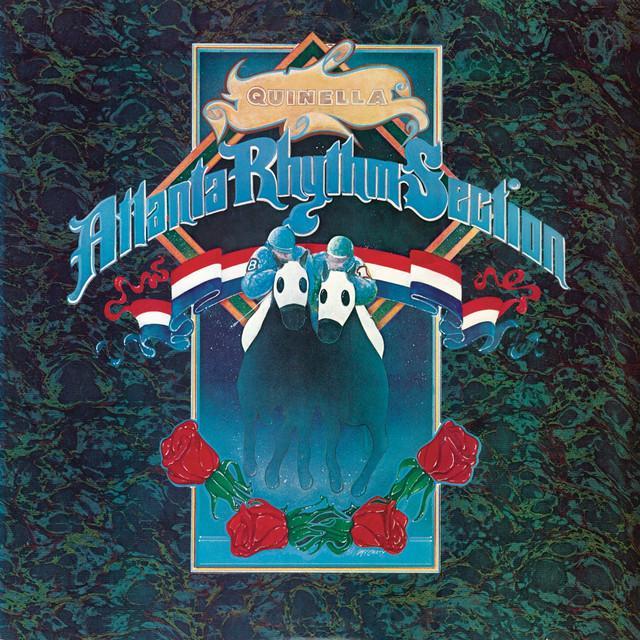
Atlanta Rhythm Section released Alien as a single from Quinella in August 1981. It reached No. 29 on the Billboard Hot 100 and became the band’s final Top 40 hit, with Buddy Buie producing and co-writing it alongside Randy Lewis and Steve McRay. Those facts are widely listed by Songfacts and reference sources covering the release and chart run.
A Stranger in Plain Sight
At the center of the song is a man moving through ordinary city life, but emotionally he is cut off from it. The verse places him on busy streets, yet he is still alone. When the lyric calls him a stranger out of place
, it frames alienation as something social, not cosmic.
The next image sharpens that feeling. He becomes a number not a face
, which suggests modern life has stripped away individuality. He is seen by systems, crowds, and routines, but not truly recognized as a person.
Interpretation: the song’s biggest strength is that it turns a private feeling into something many listeners know well. They may have jobs, neighbors, and schedules, yet still feel invisible.

Watch the official Alien
music video
The Chorus Turns Loneliness Into a Cry
The chorus is where the emotional message becomes clear. The repeated idea of feelin' like an alien
is the song’s plainest statement. It is not trying to be mysterious. It names the ache directly.
Then the song adds a plea: Help him find his way back home
. That line matters because “home” sounds larger than a physical place. It points to belonging, stability, and emotional rest.
Now and then we all are aliens
Feelin' like we don't belong
This brief moment expands the song from one isolated character to a universal experience. The earlier verses describe one lonely man, but here the band suggests alienation is part of being human.
Everyday Time Feels Empty Here
Another key part of the meaning of Alien Atlanta Rhythm Section is the way time works in the lyrics. The days blur together, and ordinary routines lose meaning. The song mentions the week passing with no real difference between days, showing emotional flatness rather than drama.
That numbness fits the image of someone standin' like a statue in the rain
. He is not just sad. He is frozen. The rain adds a classic symbol of sorrow, but the “statue” image is even more important because it suggests helplessness and emotional shutdown.
This is why the song lands so hard for listeners who have dealt with burnout, depression, or isolation. It captures what it feels like when life keeps moving but the person inside it feels stuck.
How the Sound Supports the Words
Musically, the track softens the band’s Southern rock identity into a smoother pop-rock setting. Reference sources list the song as part of the Quinella era, and listeners can hear that polish in the arrangement. Instead of pushing aggression, the production lets the loneliness breathe.
The tempo is steady and mid-paced, which mirrors routine and repetition. The melody is accessible, but there is a gentle melancholy in the performance that keeps the song from sounding comforting. Even without reading every line, a listener can sense distance in the vocal delivery.
The reported key of F minor also fits the mood. Minor-key writing often supports introspection and sadness, and here it helps the song feel inward rather than triumphant.
A Pop Hit With a Quietly Serious Core
One reason “Alien” stands out in the Atlanta Rhythm Section catalog is that it pairs a radio-friendly hook with an existential theme. Songfacts notes that the song is about loneliness and alienation, not outer space, and that reading matches the lyric details closely.
Its chart success also matters. A song about not belonging reached a broad American audience in 1981, peaking at No. 29 on the Hot 100 and also charting on Adult Contemporary. That suggests the theme traveled well across formats because the emotion was easy to recognize, even if the title first sounded unusual.
Two Useful Ways to Read It
Personal reading
Interpretation: the song can be heard as the portrait of one person going through emotional collapse. The city, the sameness of days, and the plea for mercy all support that idea.
Universal reading
Interpretation: the later shift to “we all are aliens” makes the song broader. In this reading, it is not just about one man. It is about those moments when anyone feels disconnected from work, society, or even their own identity.
Why the Song Still Connects
The lasting appeal of “Alien” is that it uses a dramatic word for an ordinary pain. Many songs describe heartbreak. Fewer describe the quieter fear of moving through the world unseen.
That is the real meaning of Alien Atlanta Rhythm Section: not invasion, not fantasy, but the human need to belong. The song says that feeling lost is common, painful, and worth naming.
Interpretation disclaimer: song meanings are not always fixed, and this reading is based on the lyrics, recording style, and available release context rather than a definitive statement from the band.







