Why 'The Wake' Feels Like a Final Warning
For listeners searching for the meaning of The Wake August Burns Red, the song lands with unusual clarity: it sounds like a furious warning about environmental ruin and human indifference. August Burns Red are known for pairing technical metalcore with big moral questions, and this track turns that habit into something apocalyptic.
"The Wake" - August Burns Red
Wipe away the filth
Set fire to your waste
Loading lyrics...
Unable to load lyrics
We're unable to display the lyrics at this time. Please try again later.
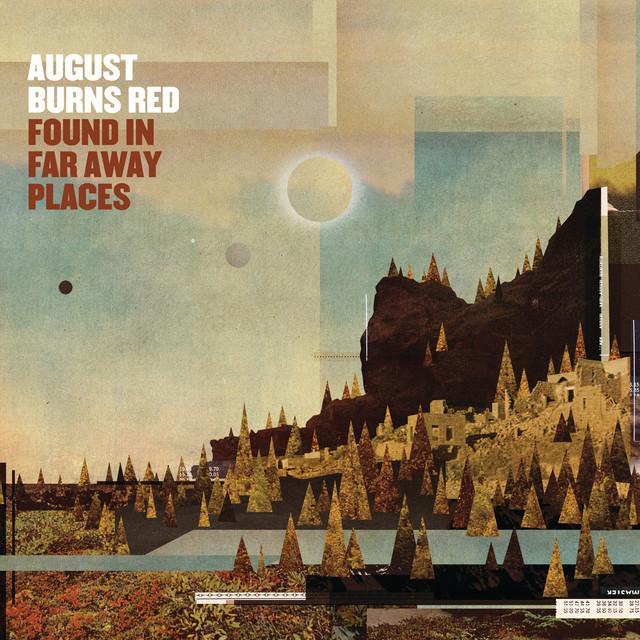
Released as a single ahead of Found in Far Away Places in 2015, “The Wake” helped introduce an album that later debuted at No. 9 on the Billboard 200, a strong result for the Lancaster, Pennsylvania band. August Burns Red formed in 2003 and have long built their reputation on intricate riffing, punishing drumming, and lyrics that often push beyond personal drama into social or ethical territory.
A Song About Nature Striking Back
The simplest reading is also the strongest one: “The Wake” presents a world poisoned by people who act like the planet belongs to them. The lyrics imagine destruction not as random chaos, but as consequence. When the song uses phrases like destroy everything
and burn everything
, it is not celebrating violence. It is describing a brutal cleansing after sustained abuse.
That matters because the target is not one person. The lyrics blame a culture of carelessness. Air is poisoned, land is covered over, and history is hidden instead of faced. The band paints human progress as hollow when it erases the past and damages the earth that made it possible.

Watch the official The Wake
music video
Where the Anger Is Pointed
One of the song’s sharpest ideas is that indifference is its own kind of guilt. The lyrics describe people continuing as normal until consequences become physical and unavoidable. The line of thought behind choke on your indifference
is simple: ignoring a crisis does not stop it; it only delays the pain.
That is why the song feels bigger than a standard protest track. It is not just saying humans did something bad. It is saying they kept doing it while knowing better. The repeated flood imagery turns denial into punishment, as if the world has finally had enough.
The Chorus as Judgment
The repeated hook flood, drown the earth
sounds merciless, but its role is important. It reframes the verses from complaint into reckoning. The even harsher phrase it’s what we deserve
pushes the song away from sympathy and toward accountability.
Interpretation: this is not necessarily the band wishing disaster on humanity. It reads more like a dramatized moral verdict. The song speaks in extremes so listeners feel the weight of what neglect can lead to.
The Images That Carry the Message
“The Wake” uses a handful of vivid symbols, and each one supports the same theme.
- Fire suggests purging and collapse.
- Floodwater suggests nature taking back control.
- Breathing turns a distant issue into a body-level emergency.
- Buried history suggests a society that hides its damage instead of repairing it.
The closing section shifts the tone in a crucial way. After all the judgment, the song offers a command: wake up
and change course. That call keeps “The Wake” from becoming pure nihilism. It still believes action matters.
Wake up
And save yourself
The sea will reclaim
What it worked to create
This is the song’s clearest thesis. Nature is not just scenery; it is older, larger, and harder to defeat than human arrogance.
How August Burns Red’s Sound Deepens the Meaning
The music matters a lot here. August Burns Red are widely associated with metalcore and progressive metalcore, styles built on precision, heaviness, and abrupt rhythmic turns. Their songs often avoid simple verse-chorus formulas, which helps “The Wake” feel less like a radio single and more like an unfolding crisis.
The guitars hit with a mechanical force that mirrors industrial destruction. The drums feel relentless, almost like machinery that cannot be shut off. Jake Luhrs’ vocal delivery adds moral urgency; he does not sound detached or poetic. He sounds alarmed.
Interpretation: the arrangement makes the environmental theme feel immediate. Fast shifts and crushing breakdowns resemble collapse itself, while the repeating chants mimic warnings people keep refusing to hear.
Context Around the Track
“The Wake” arrived in April 2015 as an early taste of Found in Far Away Places, which was released that June. The album was another major step in a career that had already made August Burns Red one of modern metalcore’s most respected acts. Their mix of technical musicianship and message-driven writing helps explain why this song connects so strongly.
The credited writers provided in the song context are Dustin Davidson, John Benjamin Brubaker, Matt Greiner, Brent Rambler, and Jake Luhrs. That full-band writing credit fits the track well: its impact comes from the way lyrics, rhythm, and dynamics all push the same warning.
One More Possible Reading
There is also a secondary interpretation worth noting. Beyond ecology, “The Wake” can be heard as a broader judgment on human pride. The references to false ownership, corrupted creation, and a demand for forgiveness suggest a moral framework larger than environmental politics alone.
Still, the strongest evidence points back to ecological collapse. The polluted air, rising water, and reclaimed sea are too central to ignore.
The Last Thing the Song Wants
In the end, the meaning of The Wake August Burns Red is less about revenge than responsibility. It imagines disaster in extreme terms so listeners cannot look away. The song says that when people poison the world, hide the damage, and keep choosing comfort over change, the bill eventually comes due.
Its final message is harsh but not hopeless: wake up, repair what can still be repaired, and stop acting like the earth owes humanity endless forgiveness.
Disclaimer: This article offers a good-faith interpretation based on the lyrics, release context, and the band’s style. Without a direct song-specific statement from the band, some meaning remains interpretive.







