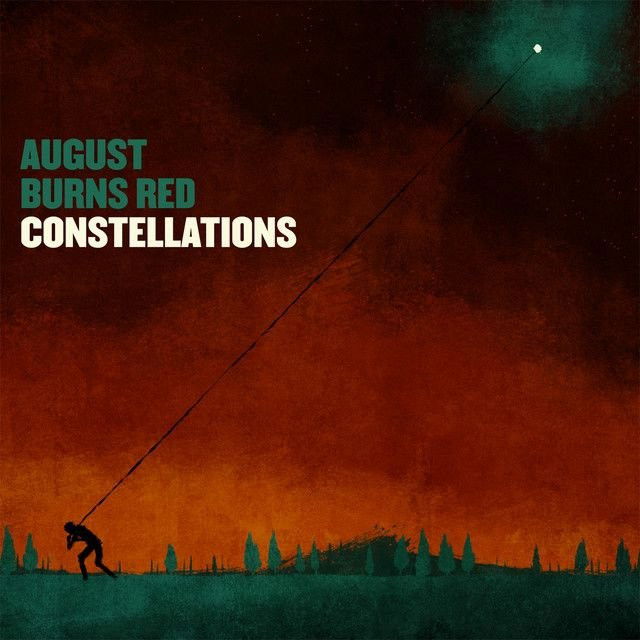
Thirty and Seven by August Burns Red
A fierce metalcore song about blame, shame, and the painful climb toward self-control.
"Thirty and Seven" - August Burns Red
Provided by LyricFindYou are infatuated with what consumes you
Put the victim on the front lines and left for dead
Stop acting like there's no, no other optionLoading...Loading lyrics...
Unable to load lyrics
We're unable to display the lyrics at this time. Please try again later.
Why This Song Still Hits So Hard
The meaning of Thirty and Seven August Burns Red centers on accountability. The lyrics speak to someone trapped in destructive behavior, someone who keeps acting as if they have no choice. Instead of offering comfort first, the song confronts them.
That directness fits August Burns Red’s style. The Pennsylvania band formed in 2003 and became known for technical, melodic metalcore, with a stable core lineup in place since 2006. According to widely cited band history, “Thirty and Seven” was released on June 15, 2009 as a preview of Constellations, which arrived on July 14, 2009; the album later reached No. 24 on the Billboard 200. Those facts help place the song in a period when the band was sharpening both its sound and message.

Watch the official Thirty and Seven
music video
A Confrontation, Not a Confession
The speaker does not sound lost. They sound like they are pushing another person to wake up. Early lines describe someone as infatuated with what consumes you
, which suggests attraction to the very thing causing harm.
That is an important twist. The song is not just about suffering; it is about choosing patterns that keep suffering alive. When the lyrics describe being carried off by waves, they picture a person acting as if life simply happened to them.
The Core Argument: Stop Blaming the Current
The sharpest idea in the song comes through the repeated question about water and responsibility. In plain terms, the speaker asks whether a person can really blame outside forces for what they keep doing. The image of gripping currents
is powerful because currents are real and dangerous, but the song still insists they are not the whole story.
Interpretation: this could refer to addiction, self-sabotage, toxic relationships, or spiritual drift. The lyrics stay broad enough that many listeners can see themselves in it.
Shame, Evidence, and the Limits of Hiding
Midway through, the song turns toward guilt. The line about trying to erase the proof
suggests covering tracks, hiding actions, or pretending the damage never happened. But the speaker immediately undercuts that effort by saying the inner stain remains.
This matters because the song separates public image from inner reality. A person may hide what they did, yet they still carry the emotional cost. Shame becomes the song’s hidden weight: not the event itself, but the knowledge that it cannot be buried by denial.
The Mountain Is Inside
One of the song’s most memorable lines is your mind is the mountain
. That image changes everything. Up to that point, the song uses water and waves, which feel external and uncontrollable. The mountain image turns the struggle inward.
Interpretation: the real barrier is not fate, society, or temptation alone. It is the person’s own thinking, habits, fear, and refusal to change. A mountain is huge, but it is also something that can be climbed.
That is why the final message feels surprisingly hopeful. The song does not say the battle is easy. It says the obstacle is real, but it can be faced.
From Dependence to Growth
Another section asks whether this person will always need someone to guide them through darkness. The song’s point is not that support is bad. Instead, it questions emotional dependence when it becomes an excuse to avoid growth.
The line about being the last in line
suggests cowardice or distance from responsibility. It is easier to speak bravely, the song implies, when someone else takes the risk first.
That fits the larger theme: maturity means stepping forward rather than waiting for rescue. The person in the song needs help, but they also need courage.
How the Sound Carries the Meaning
Musically, “Thirty and Seven” sounds like pressure becoming motion. August Burns Red are known for intricate riffs, breakdowns, odd-time accents, and melodic leads, and this track uses that toolkit well. The guitars feel cutting rather than muddy, while the drums keep the song moving like a chase.
Jake Luhrs’ screamed delivery adds urgency. He does not sound reflective in a soft way; he sounds like someone trying to break through another person’s denial. That intensity supports the lyric’s confrontational tone.
Then the closing lift changes the emotional color. The final idea about reaching the summit and transcending the skies gives the song an upward ending. After all the accusations, the last image is release.
You've reached the summit now transcend the skies
Even in one short burst, the song shifts from drowning imagery to elevation. That is a smart structural move: first the listener feels trapped, then they hear the possibility of freedom.
Context Inside the Band’s Catalog
“Thirty and Seven” arrived during the Constellations era, one of the band’s most respected periods. August Burns Red have often balanced aggression with moral seriousness, though they have also made clear in interviews that they did not want to be reduced to a label. JB Brubaker once said, briefly, that Christianity is a religion, not a style of music
. That matters here because the song can be read in spiritual terms without needing to be boxed into one narrow category.
Interpretation: some listeners may hear the track as a call to repentance and inner transformation. Others may hear it as a secular challenge to stop making excuses. Both readings fit the words.
Final Take on the Meaning
The meaning of Thirty and Seven August Burns Red is ultimately about rejecting excuse-driven living. It attacks denial, exposes shame, and insists that real change begins when a person stops blaming the current and faces the mountain within.
Its power comes from that balance of warning and hope. The song is harsh because it believes growth is still possible.
Disclaimer: This interpretation is based on the lyrics, the song’s musical structure, and documented band context rather than a definitive track-by-track statement from the band about this specific song.








