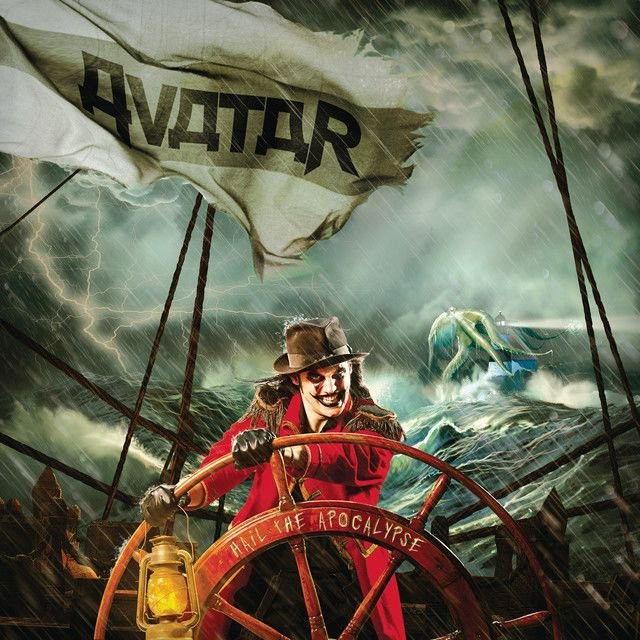
Hail the Apocalypse by Avatar
They come to this song asking one thing: what is the meaning of Hail the Apocalypse Avatar? The title track is less about the end of the world and more about the end of denial. It’s a brutal pep talk that tells listeners to face collapse and choose action over numb comfort.
"Hail the Apocalypse" - Avatar
All that's been will be gone
All your cities will sink into the ocean
Loading lyrics...
Unable to load lyrics
We're unable to display the lyrics at this time. Please try again later.
Apocalypse as Reset, Not Only Destruction
The refrain Hail the apocalypse
sounds celebratory, but the tone is ironic. They are not cheering ruin; they are welcoming a reset. The verses paint a world sinking under its own excess, yet the chorus reframes disaster as a chance to strip away lies and start clean.
Interpretation: the song argues that systems built on greed eventually fall, and when they do, denial must end. The “apocalypse” is the removal of the mask.

Watch the official Hail the Apocalypse
music video
A Voice That Commands—and Then Doubts
The narrator barks orders—put on your war paint
, Throw the spear
, and even Time to die
. This second-person stance feels like a battle captain or ringmaster forcing the crowd to pick a side. It’s theatrical and confrontational, a style that fits Avatar’s circus-meets-metal persona.
But there’s a twist: later they renounce obedience with I take it back
. This pivot suggests the speaker once swore loyalty to “lords,” then rejected them. Interpretation: the song first mirrors authoritarian rhetoric to expose it, then flips to rebellion, showing how easy it is to be swept into violent certainty—and how vital it is to break from it.
From Warning to Reckoning: The Lyric Arc
The opening forecast points to a storm and sinking cities, which reads like a judgment on fragile, human-made empires. The call to “war paint” urges personal responsibility: no more running. Midway, the song widens the lens with All flesh is equal
, reminding listeners that death levels status. In that light, kneeling to power looks foolish.
By the end, the speaker disavows former masters and returns to the mantra of collapse. The message is stark: when facades fall, people either stand up or submit. The song demands the former.
Symbols That Cut Through the Noise
- Storm and flood: classic end-times imagery that signals nature or history correcting imbalance.
- War paint: not literal face paint, but a decision to engage—ethically, politically, or spiritually.
- Spear and hammer: primal tools, unrefined force. They suggest a purge of soft comfort and a return to consequence.
- Kneeling and lords: the old order of hierarchy. Rejecting it highlights a revolt against blind obedience.
- Plastic and stillborn images: a bleak swipe at consumer culture’s habit of wrapping loss and moving on, rather than learning from it.
Together, these symbols argue that the true horror is not the apocalypse—it’s our refusal to change until collapse makes us equal.
Sound and Fury: How the Music Sells the Message
Musically, “Hail the Apocalypse” fuses alternative metal, groove metal, and melodic death metal elements. The tempo locks into a march, with chugging riffs and precision drums that feel like boots on concrete. The arrangement leans on chant-ready hooks so the chorus hits like a crowd oath.
Production matters here. The album was produced by Tobias Lindell, mixed by Jay Ruston, and mastered by Paul Logus. That team’s punchy, high-clarity sound lets the guitars bite while keeping the vocals upfront—ideal for sermon-like commands. Recorded at Karma Sound Studios in Thailand, the track’s tight low end and spotlighted vocals make every order land. Theatrical flourishes—gang shouts, sudden drops—heighten the sense of ritual.
Where It Sits in Avatar’s Story
As the title track and lead single from Avatar’s 2014 album, this song helped define a new era for the band. The album became their first to enter the U.S. Billboard 200, signaling a leap from cult favorite to wider recognition. Within that moment, the track functioned as a mission statement: big, visual, and merciless.
Avatar’s stagecraft—makeup, choreography, and a carnivalesque front—meets a moral edge here. The band dresses apocalypse as spectacle, but the spectacle serves a purpose: to jar listeners awake.
Alternate Ways to Hear It
- Political revolt: Interpretation—an anthem against corrupt leadership, calling out greed and the emptiness of hierarchy. The command to act frames listeners as agents, not spectators.
- Inner purge: Interpretation—the apocalypse is personal. The lyrics attack our desire to package pain and keep consuming. War paint means choosing discomfort and growth over numbness.
Both readings fit because the text uses archetypes more than specifics. That’s why the hook works in arenas and in headphones: it speaks to any moment of breakage.
Final Takeaway
For listeners in the United States wondering about the meaning of Hail the Apocalypse Avatar, the song is a fierce invitation: stop fleeing, face the damage, and refuse old masters. Its power lies in a paradox—it thrills like an end-times chant while quietly insisting on responsibility.
Disclaimer: This is an interpretation based on publicly available information, lyric analysis, and production context. Meanings can vary by listener.