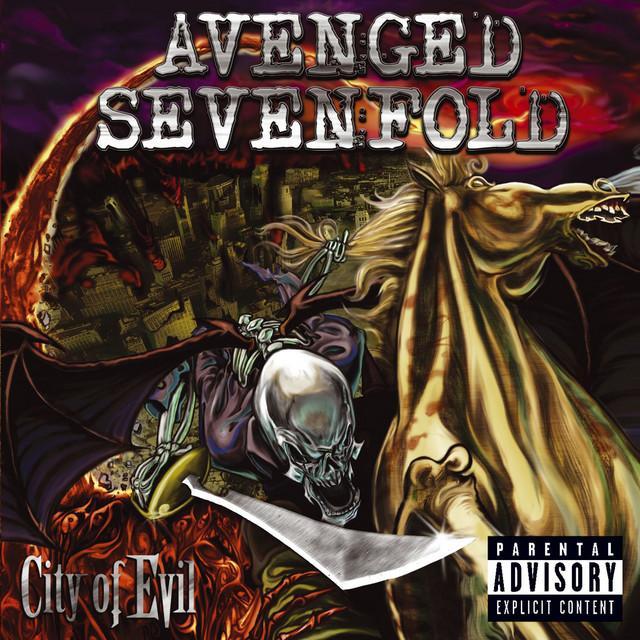
Beast and the Harlot by Avenged Sevenfold
A Metal Epic About a Beautiful City Going Rotten
The meaning of Beast and the Harlot Avenged Sevenfold starts with a warning: not everything that shines is good. In this song, they describe a glittering city that looks rich and powerful, but underneath it is corrupt, violent, and doomed.
"Beast and the Harlot" - Avenged Sevenfold
There's more than meets the eye round here look to the waters of the deep
A city of evil
Loading lyrics...
Unable to load lyrics
We're unable to display the lyrics at this time. Please try again later.
The lyrics pull heavily from the Book of Revelation, especially the image of Babylon the Great, a symbol of moral collapse and judgment. Avenged Sevenfold turn that ancient picture into a modern metal story about seduction, greed, and destruction. The result is not just a Bible retelling. It feels like a critique of any culture that sells pleasure and power while hiding spiritual emptiness.

Watch the official Beast and the Harlot
music video
Where the Song’s Images Come From
Factually, the track appears on City of Evil (2005) and was released as a single on February 28, 2006. It draws its central imagery from Revelation 17, including the woman, the beast, and the fall of Babylon the Great. The album title itself comes from a line in the song, according to widely cited reference sources.
The song’s writing is credited to the band, and the user-provided credits name Zachary Baker, Matthew Sanders, James Sullivan, and Brian Haner Jr. Production is commonly listed to Avenged Sevenfold and Andrew Murdock, with additional production help from Fred Archambault and Scott Gilman.
This matters because the band often used biblical language as dramatic storytelling rather than simple preaching. Songfacts also cites M. Shadows saying, via Kerrang!, that the song was built in pieces in his garage before the full band had even played it together. That assembled feel fits a track that sounds huge, restless, and theatrical.
The Core Story Hidden in the Chorus
At the center of the song is a city that seems glorious but is spiritually diseased. Early on, they describe a shining city
that is far from innocent. That contrast sets the whole theme: outward beauty, inner decay.
The chorus deepens that idea by calling the place a dwelling place for demons
. In plain terms, they are saying the city has become a home for corruption. It is not just flawed. It actively feeds vice and rewards it.
When they repeat Babylon the Great
, they are naming the symbol behind the whole song. Interpretation: Babylon works as both a biblical city and a stand-in for any system built on greed, vanity, and power over truth.
Beast, Harlot, and Babylon Explained
The title brings together two major symbols. The Beast suggests brute worldly power: empire, force, political domination, or a violent system. The Harlot suggests seduction: wealth, glamour, false religion, and moral compromise.
Together, they point to a partnership between power and temptation. One rules by force; the other attracts by desire. That is why the song keeps returning to luxury imagery, corruption, and judgment.
One short passage captures that structure:
seven-headed beast
Fallen now is Babylon the Great
Those phrases summarize the arc. A monstrous power carries a corrupt city for a time, but its collapse is certain. Interpretation: the song argues that systems built on exploitation eventually destroy themselves, even if they look untouchable in the moment.
A Possible Modern Reading: Hollywood and Cultural Decay
There is also a well-known modern reading of the track. Accounts tied to the music video’s release have said the Babylon image was compared to Hollywood, presenting it as a place where young people can be dazzled, used, and morally emptied.
That does not mean the song is only about one city. In fact, its strength comes from being broader than that. Hollywood, Las Vegas, a corrupt religious institution, or even consumer culture itself can all fit the metaphor if they reflect the same pattern: glamour first, ruin later.
That is why lines about poisoned influence and kings matter. The song suggests corruption spreads upward and outward, touching rulers, markets, and crowds alike. It is not private sin alone. It is public, organized, and profitable.
How the Music Makes the Meaning Hit Harder
The sound is a huge part of why the message lands. The song opens with speed and aggression, then moves through tight riffing, melodic guitar leads, and a shouted-then-sung vocal approach. That mix makes the track feel like panic inside a parade.
Critics and fan sites often point to its main riff as one of the band’s most memorable. That makes sense: the riff has a charging, unstable energy, like a city racing toward disaster while pretending everything is fine.
M. Shadows’ cleaner vocal style on City of Evil was a shift for the band, and it helps here. Instead of pure abrasion, they use melody to make the warning sound catchy, almost seductive. That mirrors the song’s message. The city lures people in before it burns.
Why the Song Still Connects
Part of the lasting appeal is that the song never feels small. It turns an old apocalyptic image into something modern and recognizable. People still live in cultures where wealth can hide cruelty, where fame can cover emptiness, and where institutions can demand loyalty while losing their moral center.
So the meaning of Beast and the Harlot Avenged Sevenfold is not just about biblical prophecy. It is about how corruption dresses itself in gold, how power teams up with temptation, and how collapse can arrive suddenly after a long period of arrogance.
In that sense, the song is both story and warning.
Final Take on the Song’s Message
Their song paints a city that looks glorious but is already condemned by what it worships. Interpretation: whether listeners hear Babylon, Hollywood, or a broader broken culture, the point stays the same: beauty without conscience becomes destructive.
That is why the track still feels vivid. It is fast, dramatic, and fun, but underneath the spectacle is a clear message about seduction, judgment, and the high price of selling the soul for power.
Disclaimer: This interpretation combines documented background with informed reading of the lyrics and symbols. As with most songs, listeners may reasonably hear different meanings.







