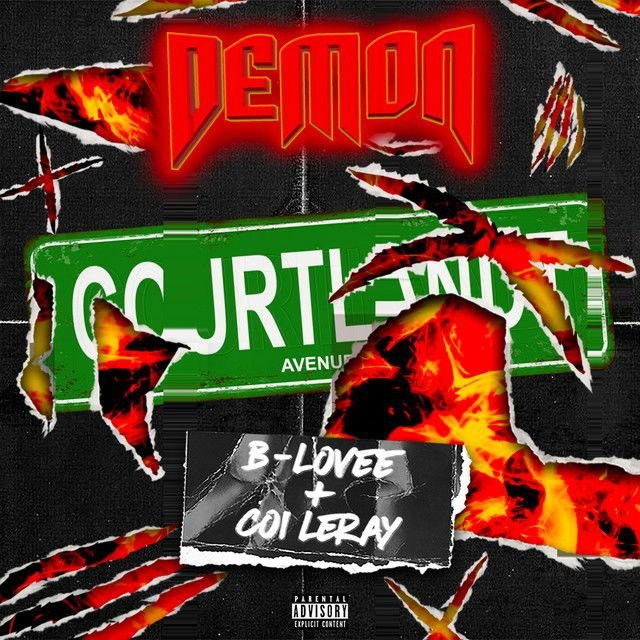
Demon by B-Lovee, Coi Leray
They come in hot and unbothered. Demon pairs B-Lovee’s Bronx-drill grit with Coi Leray’s sly, payback-ready charm. Together, they flip a rocky fling into a game of presence, pride, and control. If you’re searching for the meaning of Demon B-Lovee, Coi Leray, it’s a study in persona—how two artists weaponize attitude to win the last word.
"Demon" - B-Lovee ft. Coi Leray
Huh, how would you like if I pulled up right beside of you?
Yeah, with my new nigga in a two-seater
Loading lyrics...
Unable to load lyrics
We're unable to display the lyrics at this time. Please try again later.
Revenge, Attraction, and Power in One Hook
At its core, the song is about power exchange. Coi opens with a revenge fantasy, hinting that cheating cuts both ways and status can be used as leverage. She answers disrespect with confidence, then spikes the chorus with a warning: you ain't know that you fuckin' with a demon
. Interpretation: “Demon” names a fearless, turned-up alter ego—the part that refuses to be played, even if it means playing rough.
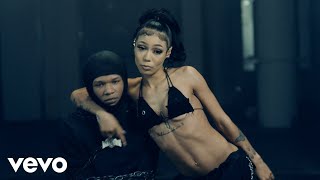
Watch the official Demon
music video
Two Voices, Two Agendas That Collide
Coi’s voice is playful but sharp. Lines like I'm petty too
underline her tit-for-tat mindset, but the tone stays controlled, as if she’s narrating a plan rather than a rant. B-Lovee meets her energy from the other side of the street, leaning into drill bravado and threat. When he flashes .40 on my hip
, he frames masculinity as protection and intimidation. Interpretation: Both speakers are building armor—hers is witty autonomy; his is hardened posture.
What Actually Happens in the Story
- The spark: A messy DM-linked triangle sets the stage. Coi spots the disrespect and imagines a sharp, fast retaliation.
- The attraction: She still enjoys the chase and the voice—
I like a nigga, he from New York
—tying desire to regional swagger. - The clash: B-Lovee turns up the heat with sexual bravado and street-readiness, signaling control of space and outcome.
- The standoff: The chorus reframes everything; the “demon” persona means both sides are ready to bite back.
Why the Hook Keeps Stinging
The chorus is a dare and a disclaimer. When they repeat the demon warning, they’re setting expectations: approach with caution, because they won’t play soft. Interpretation: The hook converts private drama into an anthem of boundaries. You can be drawn to someone’s city, voice, and vibe, but cross a line and the mask comes off.
Symbols in Street Language, Decoded
- Demon: Not literal evil, but a high-alert mode. It’s the alter ego used to win arguments, clap back, and keep status.
- New York pride:
I like a nigga, he from New York
folds attraction into culture—accent, cadence, and borough bravado all matter. - The .40:
.40 on my hip
signals credibility within drill tropes, where menace and protection blur. - Class vs. chaos: B-Lovee’s nudge to
keep it classy
shows a paradox—he wants heat without fallout, style without scandal.
The Drill Sound Does the Heavy Lifting
Musically, Demon likely rides the hallmarks of NYC drill: sliding 808s, staccato hi-hat clusters, and a minor-key loop with eerie space for ad-libs. The tempo stays urgent, making room for call-and-response swagger. Coi’s featherlight phrasing contrasts B-Lovee’s clipped delivery; that friction mirrors the story—seduction versus steel. Ad-libs and onomatopoeia punch the bar lines, turning bravado into percussion. Interpretation: The beat is the third character, amplifying risk, motion, and attention.
Other Ways to Read the Track
- Empowerment banger: Coi’s stance can read as a boundary-setting anthem. She’s not heartbroken; she’s calling the next play and cashing in her value.
- Toxic chess match: Both narrators escalate. Power becomes the prize, not the relationship, and the demon persona blurs care with conquest.
Both readings can be true at once. That tension is why the chorus lands: it’s catchy because it’s dangerous.
Takeaway: Heat, Boundaries, and the Last Word
The meaning of Demon B-Lovee, Coi Leray lives in the balance between flirtation and threat. They’re attracted and competitive, petty and precise, vulnerable and armored. The song says: know who you’re dealing with—and what version of yourself you might wake up when pride is on the line.
Interpretation note: Song meanings are subjective. This reading blends lyrical details with cultural context and production cues; listeners may hear it differently.








