Why 'When Can I See You' Still Hurts
The meaning of When Can I See You Babyface comes through fast: this is a song about heartbreak that has not settled into acceptance yet. Instead of anger, the singer gives listeners raw need. They are not asking for revenge or closure. They are asking for contact, relief, and a sign that life can feel normal again.
"When Can I See You" - Babyface
When does the pain ever end?
When do the tears stop from running over?
Loading lyrics...
Unable to load lyrics
We're unable to display the lyrics at this time. Please try again later.
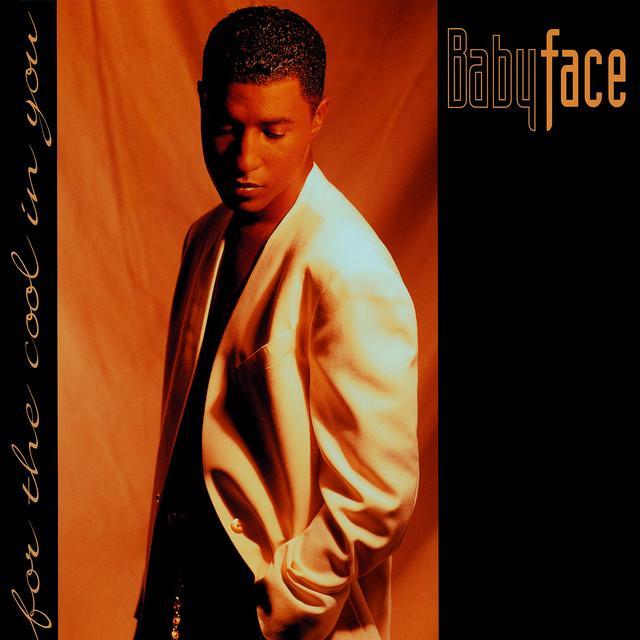
Babyface released the song from For the Cool in You, and it became his highest-charting solo hit on the U.S. Billboard Hot 100, reaching No. 4 in 1994. It also won him the Grammy for Best Male R&B Vocal Performance, which helps explain why the song still stands out in his catalog. Factually, it was written by Kenneth Edmonds and co-produced by Babyface, L.A. Reid, and Daryl Simmons (Wikipedia).
A heartbreak song built on one question
At the center of the track is a person who cannot move on as quickly as others expect. The lyrics keep circling around physical and emotional recovery. When the singer asks When can I see you?
, they are really asking several things at once: When will the pain ease? When will denial end? When will love stop feeling attached to one person?
That is what gives the song its power. The speaker hears advice, but it does not help. They even admit that what they are saying may not sound logical. This is a key detail. Babyface presents heartbreak as messy and repetitive, not neat or wise.
Interpretation: The song is less about a planned reunion than about the stage of grief where seeing the other person feels like the only cure. The repeated question is emotional, not practical.

Watch the official When Can I See You
music video
The lyrics turn heartbreak into physical pain
One of the strongest parts of the writing is how emotional loss becomes bodily distress. The singer wonders when their heart beat again
and when they can breathe once again
. Those lines do not describe literal danger. They dramatize how love and identity have fused together.
This matters because Babyface avoids heavy storytelling. There are few concrete details about what happened. Instead, he focuses on symptoms: tears, pain, breath, confusion, waiting. That makes the song widely relatable. Listeners can bring their own breakup, separation, or missed chance into the space the song creates.
There is also a quiet challenge to the usual advice people give after loss. The line about hearing others talk but not finding it meaningful shows a familiar truth: comfort often sounds shallow to the person still living inside the hurt.
Why the chorus lands so hard
The chorus works because it is simple and emotionally complete. Each return to the hook makes the longing feel less like a question and more like a cry they cannot stop repeating. Even short phrases like you'll get over it
and someday begin
show the gap between public advice and private pain.
When can I see you again?
And when can I breathe once again?
Those lines condense the whole song. Reunion is framed as recovery. Love is not just missing; it is felt as an interruption in the body and future.
Interpretation: The chorus suggests that healing has not yet become separate from the lost relationship. The singer cannot imagine a next chapter that does not involve seeing this person again.
The sound makes the vulnerability believable
A big part of the meaning of When Can I See You Babyface comes from its production. According to Billboard, critic Larry Flick praised the song's "delicate, stirring performance" and its "spare acoustic pop arrangement" (Wikipedia quoting Billboard). That description fits. The track does not bury the emotion under thick drums or big studio gloss.
Instead, the acoustic texture leaves space around Babyface's voice. That sparseness matters. It makes the pleading sound intimate, almost like a private thought spoken out loud. The folk-like percussion and soft groove keep the song moving, but never enough to distract from the ache.
Babyface was already known as a master songwriter for other artists, but this performance shows why his own voice worked so well for tender material. He does not oversing. They hear restraint, fragility, and control. That combination keeps the song from tipping into melodrama.
Artist context helps explain the song's impact
By 1994, Babyface had become one of the key architects of modern R&B and pop ballad writing. For the Cool in You showed how he could blend R&B softness with pop accessibility, and this single is one of the clearest examples. It lives in R&B and soul, but its acoustic framing also widened its appeal.
The chart run supports that crossover reach: No. 4 on the Billboard Hot 100, No. 6 on the Hot R&B chart, and a Gold certification in the United States (Wikipedia). Those numbers matter because they show how many listeners connected with a heartbreak song that stayed gentle instead of explosive.
A simple song with lasting emotional truth
What makes this song endure is not complexity. It is honesty. The speaker cannot skip ahead to wisdom. They are stuck between advice and feeling, between loss and recovery, between being told time heals and not believing it yet.
That is why the song still resonates. It captures the period after heartbreak when people do not want philosophy. They want presence. They want proof that love, breath, and tomorrow can return.
Interpretation disclaimer: This reading is an informed interpretation based on the lyrics, performance, and release context. Like most great love songs, listeners may hear their own version of the story in it.








