Why 'Pay to Cum' Hits Like a Rights Manifesto
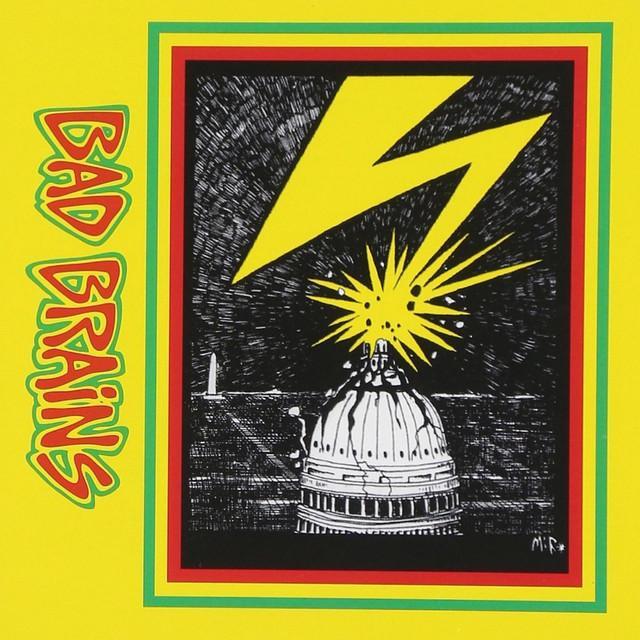
For a song that lasts only 1:33, Bad Brains’ “Pay to Cum” says a lot. The meaning of Pay to Cum Bad Brains is not just shock value, and it is not only about the title. Beneath the speed and chaos, the song sounds like a furious argument against a world where people are charged, boxed in, and pushed to fight for basic freedom.
"Pay to Cum" - Bad Brains
Lost inside this manned collision
Just to see that what is to be
Loading lyrics...
Unable to load lyrics
We're unable to display the lyrics at this time. Please try again later.
Factually, this was Bad Brains’ debut single, released in June 1980, after being recorded in December 1979 at Dots Studio in New York City. It was produced by Jimi Quidd and became one of the key early hardcore punk recordings. Critics later praised it as a defining blast of the form, with Trouser Press calling it a memorable burst of “free-fire guitar rage,” and Filter describing it as one of the fastest and most furious songs ever recorded.
The Core Message Beneath the Speed
At its heart, the song is about life under pressure. The speaker begins in a state of confusion and collision, trying to make clear choices in a system that feels crushing. When the lyric lands on pay to write
and pay to play
, the idea becomes clear: even art, joy, and identity seem to come with a cost.
That is the key to the song’s title too. Interpretation: the phrase pay to cum
works as an extreme example of total commodification. In other words, Bad Brains seem to be saying that the modern world makes people pay for everything, even for release, pleasure, or being fully alive.
This turns the song from simple outrage into a wider social critique. It is about a world where money, power, and control get between people and their most basic freedoms.
Watch the official Pay to Cum
music video
From Private Frustration to Public Resistance
The song does not stay stuck in despair. After the early confusion, it shifts toward collective action. That matters, because the voice moves from inner conflict to a shared fight.
When the lyrics push toward we all must pay
, the burden becomes social, not personal. Everyone is caught in the same trap. Later, the focus changes again, with a demand to defend the right to sing
and the right to dance
.
Those are simple phrases, but they carry a bigger point. Singing and dancing stand for expression, movement, joy, community, and culture. Interpretation: by framing those acts as rights, Bad Brains make the song sound like a miniature manifesto. They are not asking politely for space. They are claiming it.
A Short Timeline of the Song’s Argument
The lyrics move fast, but their logic is tight:
- The speaker begins in confusion and conflict.
- They realize the world demands payment for nearly everything.
- Fear spreads as people sense decline and refuse hard truths.
- The answer becomes resistance and collective self-assertion.
- The ending reaches for wisdom, peace, and unity, even if brokenly.
That final shift is especially interesting. The closing ideas about peace, separation, and wisdom from the heart suggest that struggle is not only destructive. It can also produce clarity.
Why the Sound Feels Like a Street Protest
Bad Brains were crucial to hardcore punk, and this track shows why. Their playing is unbelievably tight. Drums hit with near-sprint intensity, the guitar sounds jagged and explosive, and the bass does not merely support the track; it drives it forward.
Because the song is so short, there is no wasted motion. Every part feels urgent. The music does not decorate the message; it delivers it like an alarm.
That helps explain why the song’s meaning lands so hard. If the lyrics say people are trapped in a system of pressure, the arrangement makes that pressure audible. The tempo feels breathless. The performance feels cornered but defiant.
Artist Context Matters Here
Bad Brains came out of Washington, D.C., and their early work helped shape the hardcore scene in the United States. Their debut single is often treated as a landmark because it fused punk intensity with exceptional musicianship. That combination gave their anger precision.
The additional context matters because this is not sloppy rebellion. The lyrics speak of making decisions with precision
, and the band plays with exactly that quality. Even the chaos sounds controlled.
That gives the song a deeper edge. It is not ranting for the sake of ranting. It is a disciplined outburst against social restriction.
Two Strong Ways to Read It
A protest against commodified life
This is the clearest reading. The repeated pay structure suggests a society where capitalism reaches into art, pleasure, conflict, and survival. The song mocks how deeply payment has invaded daily life.
A punk declaration of human rights
A second reading is more cultural than economic. The song insists that expression itself is worth defending. The emphasis on singing and dancing makes the track feel like a defense of subculture, creativity, and communal freedom.
These two readings work together rather than compete. One explains what is wrong; the other explains what must be defended.
Why “Pay to Cum” Still Feels Current
The meaning of Pay to Cum Bad Brains still resonates because the complaint has not gone away. Many listeners still feel that modern life puts a price on attention, art, pleasure, and even identity. The song’s language is blunt, but its insight is broad.
Its lasting power comes from compression. In barely over a minute, Bad Brains move from alienation to analysis to resistance. Few songs do that with such force.
In the end, “Pay to Cum” is best heard as a furious demand for freedom in a world built on cost. It is a song about pressure, yes, but even more about refusing to surrender to it.
Disclaimer: This article offers interpretation based on the lyrics, performance, and documented context. As with most songs, meaning can remain open to different listener readings.








