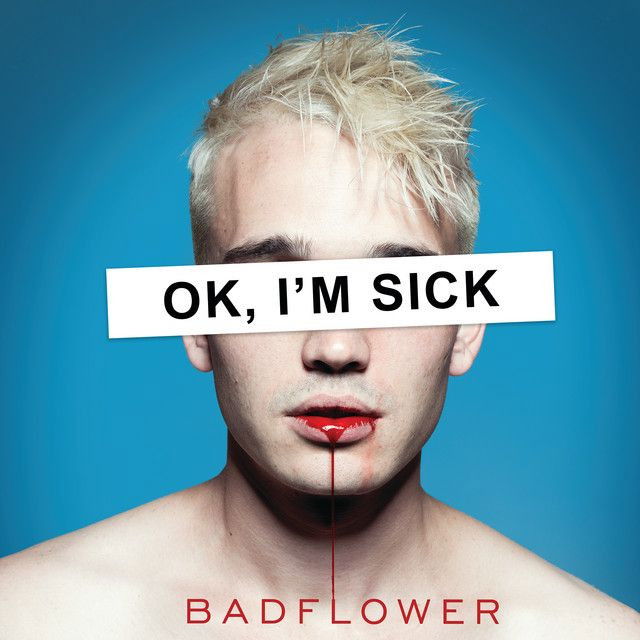
Ghost by Badflower
Why This Song Hits So Hard
The meaning of Ghost Badflower centers on suicidal despair, self-hatred, and the sudden wave of regret that can arrive in a life-or-death moment. Badflower released the song as part of OK, I'M SICK, the band’s 2019 debut album, and it quickly became one of their most discussed tracks. The song was written by Josh Katz, Joey Morrow, Anthony Sonetti, Alex Espiritu, and Noah Shain.
"Ghost" - Badflower
I felt a lot of pain but it didn't stop my heart
And all I really wanted was someone to give a little fuck
Loading lyrics...
Unable to load lyrics
We're unable to display the lyrics at this time. Please try again later.
What makes it so powerful is its blunt honesty. Instead of hiding behind vague poetry, the narrator walks listeners through repeated attempts, fear, and the thought of what loved ones would feel afterward. That directness is why many listeners connected to it so strongly.
Watch the official Ghost
music video
At the Center: Pain, Isolation, and Regret
On the surface, the song tells a story about a person attempting suicide. But its deeper point is about feeling unseen and emotionally trapped. Early lines describe wanting someone to notice their suffering and finding that nobody even looked up
. Paraphrased, the narrator feels ignored at the exact moment they most need care.
That detail matters. The song is not only about death; it is about loneliness before the crisis. The character does not describe a dramatic event from nowhere. They describe a long build of pain, disappointment, and the belief that nothing important will change.
Interpretation: The song suggests that suicidal thinking can grow out of hopeless repetition. The narrator does not present one single cause. Instead, they show a pileup of emptiness, shame, and emotional exhaustion.
A Story Told in Stages
One reason the track feels so unsettling is its structure. Each verse moves the situation forward.
- The narrator recalls a previous attempt that failed.
- They admit they may not have fully wanted to die.
- They return to the act with more force and more despair.
- In the final section, the song reaches what sounds like a fatal ending.
This step-by-step writing creates tension. The listener hears not just pain, but escalation. By the time the song reaches the later verses, thoughts about friends and family become stronger, especially the pain of leaving words unsaid.
Take the blade away from me
I am a freak, I am afraid
This brief moment captures the split inside the narrator. They are acting destructively, yet they are also begging for interruption. That contradiction is central to the song’s emotional truth.
What the Chorus Really Means
The chorus shifts the song from action to fear. The narrator worries that physical harm will not erase emotional pain. When they say won't end the pain
, the song suggests that suffering is deeper than the body. It is mental, emotional, and spiritual.
Then comes the song’s key image: the white ghost
. Paraphrased, the narrator imagines becoming a shadow of the person they were supposed to be. This is one of the strongest ideas in the song. The “ghost” is not just death. It is unrealized potential, lost identity, and the haunting thought of a life never fully lived.
Interpretation: The ghost may represent two things at once:
- the literal afterimage of someone gone
- the symbolic version of a self erased by depression
That double meaning gives the chorus its staying power.
Family, Shame, and the Fear of Aftermath
As the song moves on, the narrator starts thinking less about escape and more about consequence. They think about friends and, most painfully, their mother. The line about not saying “I love you” turns the song from private suffering into relational damage.
This is important to the meaning of Ghost Badflower. The song does not romanticize self-destruction. It shows panic, guilt, and the unbearable idea of hurting people who care. Even when the narrator calls themselves a bad son
, the song reveals shame rather than truth. Depression often distorts self-image, and the lyrics sound shaped by that distortion.
How the Music Carries the Message
Badflower’s arrangement helps the lyrics land. The track begins in a restrained way, giving space to the voice and words. As it builds, the guitars grow heavier and the drums push harder, creating a feeling of spiraling urgency. The performance never sounds polished in a detached way; it sounds raw, almost like the band wants the listener trapped inside the narrator’s rising panic.
Josh Katz’s vocal delivery is crucial. He moves between control and collapse, which mirrors the lyric’s inner conflict. The production also leaves room for silence and tension instead of covering everything with noise. That choice makes the confessions feel closer and more intimate.
Interpretation: The contrast between quieter verses and explosive peaks reflects a mind swinging between numbness and crisis.
Why Listeners Connected to It
“Ghost” drew attention because it tackled suicidal ideation with unusual directness in a mainstream rock setting. Many fans saw it as a song that named feelings people often hide. Others found it difficult but honest, especially because it includes fear and regret rather than presenting death as release.
That reception matters. Songs about mental health can either flatten experience or reveal its complexity. “Ghost” leans toward complexity. The narrator wants pain to stop, but they also want to be saved. They feel alone, yet they are still thinking about the people around them.
Final Reading: A Song About the Last-Minute Human Pull
In the end, the song is about more than self-destruction. It is about the human pull between wanting pain to end and wanting one more chance to be understood. The repeated movement between action and hesitation gives the track its emotional force.
For listeners searching for the meaning of Ghost Badflower, the clearest answer is this: it is a song about depression at its most dangerous point, but also about regret, love, and the fragile wish to be stopped before it is too late.
Disclaimer: This interpretation is based on the released lyrics, performance, and public song context. Meaning can vary from listener to listener.








