Why "Sopa de Caracol" Still Moves People
The meaning of Sopa de Caracol Banda Blanca starts with a simple truth: this is a party song, but it is not just a party song. It turns dancing into cultural pride. Its hook, its shouted commands, and its mix of Spanish and Garifuna all help make it feel communal rather than private.
"Sopa de Caracol" - Banda Blanca
Iupipati Iupipati
Wuli Wani Wanaga
Loading lyrics...
Unable to load lyrics
We're unable to display the lyrics at this time. Please try again later.
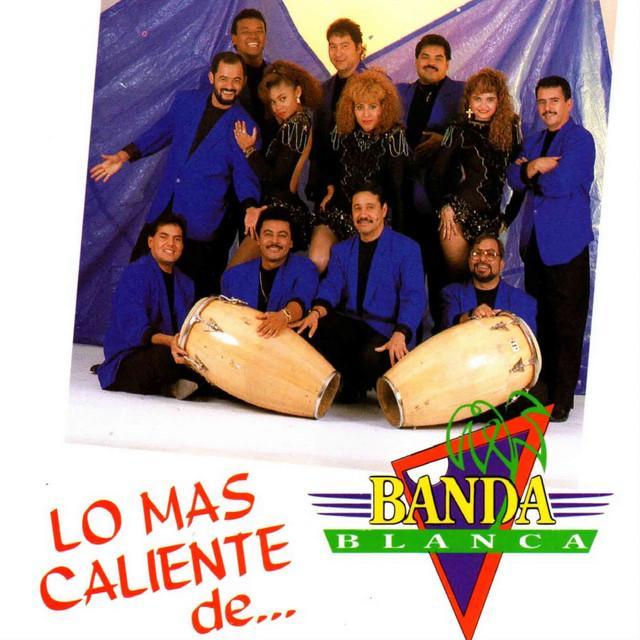
Performed by Banda Blanca and released in 1991, the song became a huge crossover hit in the United States and Latin America. According to Wikipedia, Banda Blanca’s version reached No. 1 on Billboard’s Top Latin Songs chart and finished 1991 as one of the year’s biggest Latin singles. That success matters, because it shows how a regional style could suddenly become international.
More Than a Novelty Hit
On the surface, the song invites people to dance. Lines like Si tu quieres bailar
and Sopa de caracol
are direct and catchy. They do not build a story with characters or conflict. Instead, they create a shared moment on the dance floor.
That is the key to its meaning. The song is about movement, pleasure, and group energy. It keeps urging the listener to loosen up, move the waist and hips, and join the celebration. In plain terms, it treats dance as a social language.
Watch the official Sopa de Caracol
music video
The Cultural Heart of the Song
The deeper layer comes from language and origin. “Sopa de Caracol” was originally written by Belizean singer Hernán “Chico” Ramos and later adapted by Banda Blanca, with songwriting credit also given to Juan Pompilio Tejeda. Banda Blanca’s version mixes Spanish with Garifuna phrases, connecting the song to Afro-Indigenous Garifuna culture in Central America.
That mix is essential. For many listeners in the United States, the Garifuna phrases may sound playful or mysterious at first. But their presence does more than decorate the beat. They place the song inside a specific cultural tradition and help carry that tradition into pop radio.
What the Repeated Phrases Do
A big part of the lyric sheet is made of repeated calls, chants, and rhythmic phrases such as Watanegui consup
and Iupipati Iupipati
. These are less about literal storytelling and more about musical texture.
Interpretation: even when some listeners do not understand every word, the song still communicates clearly. The repetition works like percussion. It pulls the body in before the mind starts analyzing.
Con la cintura muévela
Con la cadera muévela
This short refrain makes the song’s goal obvious: movement first, inhibition second. Banda Blanca are not trying to describe dancing from a distance. They are leading it in real time.
Dance as Invitation, Not Escape
Many dance hits use movement as an escape from stress. This song does that too, but it also does something warmer. It sounds like an open invitation. Commands such as Sacude! Sacude!
feel less strict than playful, almost like a bandleader calling a crowd into sync.
That matters for interpretation. The song is not lonely or introspective. It is public, festive, and inclusive. Even the title, “snail soup,” has a humorous, memorable quality that keeps the mood light. It gives the track an identity people remember, but the real emotional center is collective joy.
How the Sound Carries the Meaning
The production is a huge part of why the song means what it means. Banda Blanca’s version blends punta and tropical pop into a fast, bright groove. The percussion stays front and center, the bass keeps the body locked in, and the vocals alternate between lead lines and group shouts.
This arrangement gives the song its communal force. A solo ballad often pulls the listener inward; “Sopa de Caracol” pushes outward. Its structure feels circular rather than dramatic, which fits a dance built on repetition and stamina.
Rhythm Before Plot
There is very little narrative development. Instead, the momentum comes from layers: chant, call-and-response, drum patterns, and crowd-like exclamations. The song keeps renewing its energy without changing its message.
Interpretation: that design reflects a live-party logic. The point is not to reveal new information. The point is to keep the room together.
Why It Connected So Strongly in the U.S.
For U.S. listeners, the song arrived at a time when Latin radio was broadening and tropical music could break into larger markets. Its chart run helped prove that a song rooted in Central American styles could become a mainstream Latin hit. Wikipedia notes that it sold around 1.5 million units in the United States, which shows how far its reach went.
Its success also came from accessibility. Even if someone did not know punta rock, they could understand the body language of the track right away. The beat explains the song before the lyrics do.
A Song of Joy and Representation
The best way to describe the meaning of Sopa de Caracol Banda Blanca is this: it celebrates dance as identity. It is fun, but its fun is not empty. By bringing Garifuna elements into a major hit, Banda Blanca helped turn a regional sound into a shared Latin pop moment.
That is why the song still lasts. People remember the chorus, the chants, and the commands, but they also remember how alive it feels. It is music that asks people not just to listen, but to join.
Final Takeaway
Factually, “Sopa de Caracol” is a major 1991 hit by Banda Blanca, built from a Belizean original and shaped through punta rock, Spanish lyrics, and Garifuna phrases. Interpretation: its lasting power comes from the way it turns cultural specificity into universal celebration.
They do not need a complicated plot to say something real. In this song, the message is in the rhythm: move together, celebrate together, and let joy become its own meaning.
Disclaimer: Song meaning can be interpretive. Some readings above are informed analysis rather than confirmed statements from the artists.








