Why 'Al gato y al ratón' Hurts So Much
Banda Machos built their name on party-ready regional Mexican music, but the meaning of Al gato y al ratón Banda Machos shows how a dance hit can also carry real emotional sting. On the surface, the song is simple: someone leaves after being treated badly in love. Under that surface, it is about emotional manipulation, wounded pride, and the need to recover self-respect.
"Al gato y al ratón" - Banda Machos
un dia regresare
veras que con el tiempo
Loading lyrics...
Unable to load lyrics
We're unable to display the lyrics at this time. Please try again later.
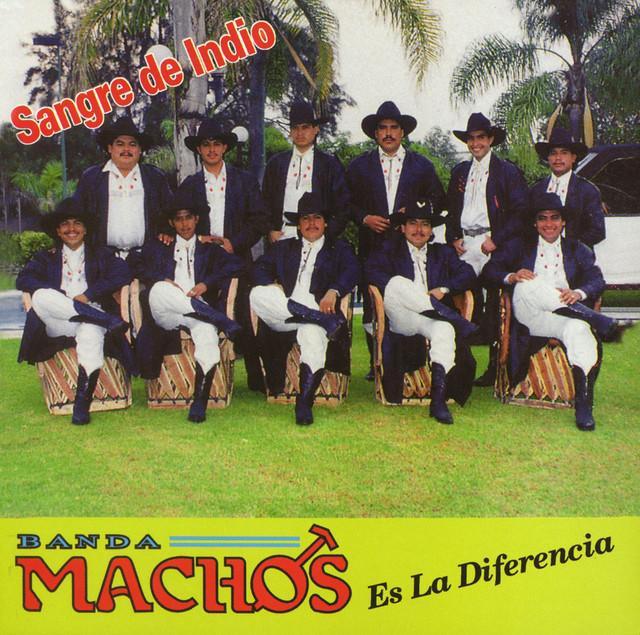
The track became one of Banda Machos' breakout hits from Sangre de Indio in 1992, a key album in their rise during the technobanda and quebradita boom. According to this band history, Banda Machos helped popularize a more danceable banda style in both Mexico and the United States. That context matters because this song works by putting a painful breakup inside a lively, public, dance-floor sound.
A breakup song about being toyed with
At its core, the song tells the story of a narrator who decides to walk away from a relationship that has become humiliating. They are not begging to stay. They are leaving, repeating me voy
like a firm step toward the door.
That repeated exit is the song's first big clue. This is not only sadness. It is sadness mixed with resolve. The narrator believes time will help them heal, and they even predict that one day they will forget the person who hurt them.
Watch the official Al gato y al ratón
music video
The title image says almost everything
The central metaphor is in the title: al gato y al ratón
, or “cat and mouse.” In plain terms, the narrator feels the other person turned love into a cruel game. One person had the power; the other was kept chasing, reacting, and getting trapped.
That image is effective because everyone understands it right away. A cat-and-mouse game is not equal. It is teasing, control, and fear disguised as play. When the song says the other person played with their love, it frames romance as a contest where affection was used as bait.
A short chorus, a sharp wound
The chorus is memorable because it is so direct. Instead of hiding behind poetic mystery, it names the problem: the lover treated devotion like entertainment. The phrase sin consideración
deepens that idea. The pain is not just rejection; it is rejection without care.
jugabas con mi amor
al gato y al ratón
Those lines are short, but they summarize the whole conflict. Interpretation: the song hurts because the narrator is not grieving a love that simply failed. They are grieving a love that was mishandled.
The blame question is part of the meaning
One of the most interesting moments comes when the narrator says the fault is not clearly theirs and not clearly the other person's either, then asks who is to blame. That may sound strange after the stronger accusations, but it adds realism.
People leaving painful relationships often think in circles. Part of them knows they were mistreated. Another part still searches for logic, fairness, or a clean explanation. The line about blame shows confusion after emotional whiplash.
This makes the song richer than a simple revenge anthem. The narrator is angry, but they are also trying to understand what happened. That mix of doubt and certainty gives the song a human voice.
How the sound changes the message
Banda Machos are closely tied to technobanda, a style that blends brass-driven banda with a punchier, dance-friendly rhythm. In songs like this, the tuba, percussion, and bright horns keep things moving. The beat invites dancing even while the words describe hurt.
That contrast is a big reason the song lasts. A slower ballad would make the pain private. Banda Machos make it public. The narrator's frustration becomes something people can sing and dance to together, which is common in regional Mexican music: heartbreak is shared, not hidden.
In that sense, the production does emotional work. The lively arrangement suggests survival. Even if the narrator has been embarrassed, they are still standing, still singing, and still moving forward.
Why Banda Machos were the right group for it
Banda Machos, formed in Villa Corona, Jalisco in 1990, became known as a major force in technobanda and quebradita culture. Their catalog includes comic, satirical, and romantic material, but Al gato y al ratón
stood out as an early signature hit from Sangre de Indio, which reportedly reached No. 16 on the Mexican regional albums chart, as noted in the same Wikipedia entry.
That history helps explain the song's reach in the United States too. For many listeners, especially Mexican and Mexican American audiences in the 1990s, Banda Machos were not just a band but part of a social scene built around dancing, identity, and community. A song about love games fit perfectly into that world because it was easy to feel and easy to move to.
Two strong ways to read the song
Interpretation 1: It is about reclaiming dignity. The key action is leaving. Even with pain and confusion, the narrator chooses distance over more humiliation.
Interpretation 2: It is about delayed healing. The promise to forget the other person sounds confident, but it also shows they have not forgotten yet. The song lives in that in-between moment when someone is hurt but trying to become stronger.
Both readings can be true at once. That is part of what gives the song staying power.
Final takeaway on the song's meaning
The meaning of Al gato y al ratón Banda Machos is about more than a breakup. It is about realizing that love has turned into a power game and deciding to leave before more damage is done. Its genius is the contrast between bruised feelings and energetic sound.
That is why the song still connects: it turns emotional disrespect into a simple, unforgettable image that listeners can dance through and understand immediately.
Disclaimer: This article offers an interpretation based on the lyrics, performance, and available historical context. Song meaning can vary from listener to listener.







