Why This BJH Song Hits So Deep
The meaning of Poor Man's Moody Blues Barclay James Harvest starts with a contradiction. On the surface, it is a tender love song about longing, regret, and emotional distance. Behind the scenes, it also carries a sharp bit of band history: John Lees wrote it after a journalist compared Barclay James Harvest to the Moody Blues in a dismissive way.
"Poor Man's Moody Blues" - Barclay James Harvest
All the nights without end
All the times that I've called you
Loading lyrics...
Unable to load lyrics
We're unable to display the lyrics at this time. Please try again later.
That backstory matters, but it does not cancel the song’s feeling. Instead, it gives the track two lives at once: one as a romantic ballad, and one as a quiet artistic reply.
A Love Song With a Sting in Its Title
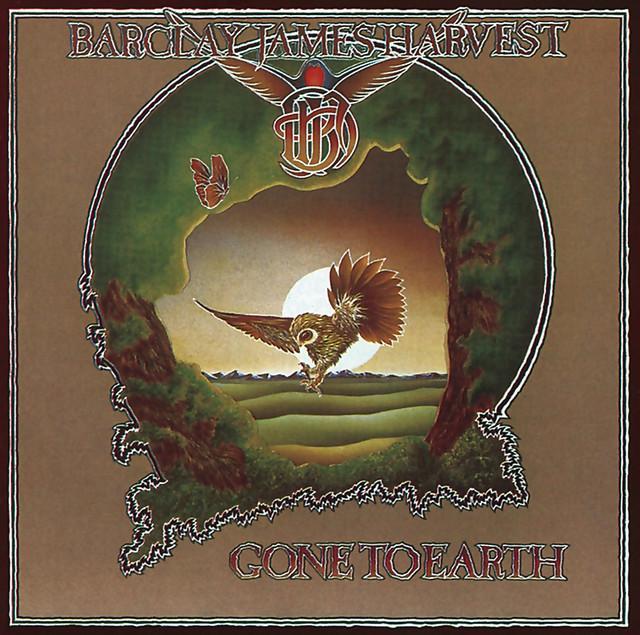
Factually, John Lees wrote the song, and it appears on Gone to Earth, Barclay James Harvest’s eighth studio album, released in September 1977. The album was produced by Barclay James Harvest and David Rohl, and recorded at Strawberry Studios in Stockport. Research sources also note that the song was written in response to a critic calling the band a “poor man’s Moody Blues.”
Even so, the lyric itself does not read like a satire. It reads like a confession. The speaker looks back on absence, missed connection, and feelings that have grown too strong to hide.
That is why the title can feel almost ironic. The name points outward to music-press drama, but the words turn inward toward heartbreak.

Watch the official Poor Man's Moody Blues
music video
The Emotional Core: Missed Chances and Late Clarity
The verses build a clear emotional pattern. The narrator thinks about lost time, especially the repeated pain of separation. A phrase like all the nights
suggests that longing has lasted far longer than one bad evening.
They also admit they once approached this person indirectly, only needing a friend
. In plain terms, they may have hidden romantic feelings behind friendship. That detail gives the song much of its ache: the speaker now sees that honesty came too late.
When they notice the other person’s beauty again, the lyric suggests not a new love but a truth they failed to face earlier. The confession becomes simple and unguarded. There is almost no poetic trick in those repeated declarations. That simplicity is the point.
Looking Through the Window
One of the song’s strongest images is the speaker watching from a distance. The line about looking from a window and through dark glass
creates both a physical and emotional barrier.
Interpretation: this image can mean at least two things:
- They are literally separated and unable to meet freely.
- They are emotionally blocked, seeing love clearly but unable to act on it.
The next idea deepens that frustration. They cannot walk together openly, and outside voices seem to interfere. The mention of friends keeping my heart from your heart
suggests social pressure, loyalty, or disapproval.
In other words, this is not just a song about desire. It is about desire being obstructed.
Why the Chorus Feels So Strong
The chorus is striking because it drops all distance and ambiguity. After detailed scenes of memory and separation, the singer says the feeling in the most direct terms possible: I need you
and I love you
.
That repetition matters. It shows that the speaker has moved past analysis. They are no longer trying to explain the situation cleverly. They are simply overwhelmed.
Interpretation: the chorus may represent emotional surrender. The verses circle around the problem, but the refrain admits the truth they can no longer soften.
Cause I need you
Yes I want you
Yes I love you
Used in context, those lines are less about drama than release. The song keeps returning to them because the speaker has nothing more honest left to say.
The Moody Blues Connection Matters
For listeners asking about the meaning of Poor Man's Moody Blues Barclay James Harvest, the real-world context is part of the answer. Song histories report that Lees shaped the song as a deliberate echo of the Moody Blues’ atmosphere, especially “Nights in White Satin,” while making the melody different enough that the older lyrics would not fit.
That makes the track more than imitation. It becomes a demonstration. Rather than argue with the comparison, Lees appears to answer it artistically: if people heard a resemblance, the band could use that language on purpose and still make something emotionally convincing of their own.
How the Sound Carries the Message
The arrangement is a huge part of why the song lands. Barclay James Harvest were known for blending rock instruments with lush, symphonic textures, and this track leans into that strength.
The slow pace, swelling keyboards, and spacious production create a feeling of night, memory, and suspended motion. The vocal delivery is earnest rather than flashy, which fits a lyric built on confession.
That sonic design supports the meaning in three ways:
- It makes longing feel large and cinematic.
- It turns private emotion into something almost orchestral.
- It reinforces the sense of distance, as if the singer is reaching across a wide emotional space.
So even if the song began as a response to a critic, the production helps it transcend that origin story.
A Bigger Meaning Than the Joke
There is an interesting tension at the center of the song. The title sounds defensive, maybe even sarcastic. The music and lyric sound sincere, wounded, and open.
That tension is why the song still connects. Listeners do not need to know the press backstory to feel its sadness. But if they do know it, the track becomes even richer: a love song, a statement of pride, and a subtle comment on influence.
In the end, the meaning of Poor Man's Moody Blues Barclay James Harvest is about love obstructed by time, distance, and other people, expressed through a grand arrangement that also answers a critical slight. It is intimate and self-aware at once.
Final Thought
Their song lasts because it turns resentment into beauty. What could have been a bitter inside joke became one of Barclay James Harvest’s most affecting ballads.
Interpretation note: song meanings are not always fixed, and this reading blends documented context with lyrical interpretation.








