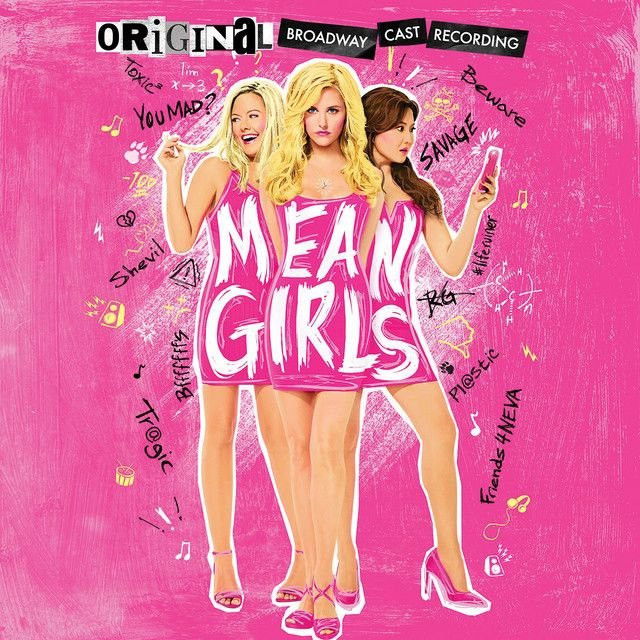
Why “I’d Rather Be Me” Hits So Hard
The meaning of I'd Rather Be Me Barrett Wilbert Weed, Original Broadway Cast of Mean Girls comes down to one fierce idea: being honest is better than being accepted by the wrong crowd. In the musical, this is Janis Ian’s turning point. She stops playing defense, names the fake rules around her, and chooses self-respect over popularity.
"I'd Rather Be Me" - Barrett Wilbert Weed, Original Broadway Cast of Mean Girls
Acted nice when she's not nice
Well, I have some advice
Loading lyrics...
Unable to load lyrics
We're unable to display the lyrics at this time. Please try again later.
Performed by Barrett Wilbert Weed in the Broadway cast recording for Mean Girls, the song was written by Jeffrey Richmond and Nell Benjamin. It appears late in the story, when the damage caused by manipulation, gossip, and image-making has become impossible to ignore. That timing matters: this is not just a catchy number, but a moral reset.
Janis Turns Anger Into Identity
On the surface, the song sounds like a direct call-out. Janis is speaking to someone who has hurt her and others through fake kindness and social games. Early on, she shrugs off betrayal and says the world only feels like it is ending. That line sets the tone. The pain is real, but it is survivable.
From there, the song becomes a manifesto. When Janis says I don't care
, she is not claiming she has no feelings. She is deciding that other people’s judgments will no longer control her. That is a big difference, and it is the heart of the song’s meaning.
Interpretation: the number is less about winning an argument and more about refusing to perform politeness for people who abuse it.

Watch the official I'd Rather Be Me
music video
The Chorus Makes the Choice Plain
The chorus is simple on purpose. Janis repeats I'd rather be me
and contrasts it with staying close to someone toxic. That repeated choice is what gives the song its power. She is not saying being alone will be easy. In fact, she openly admits she may eat alone
if that is the cost.
That detail is crucial because it keeps the song honest. Many empowerment anthems promise instant victory. This one does not. Janis knows rejecting a social system can leave a person isolated for a while. Still, she chooses truth over belonging.
Why the Hook Lands
The hook works because it is both personal and universal:
- It speaks to teenage social pressure.
- It rejects fake apologies and forced niceness.
- It frames identity as a choice that must be defended.
That is why the song often connects with listeners far beyond the show’s high school setting.
A Critique of Gender Rules
One of the smartest parts of the song is how it widens from one conflict into a bigger social point. Janis mocks the idea that girls must always be sweet, calm, and agreeable. She points out the double standard directly: boys are allowed open conflict, while girls are expected to hide aggression behind manners.
That is where lines like play nice and shy
become important. Janis is not rejecting kindness itself. She is rejecting the demand to act small, dishonest, or harmless just to make others comfortable.
Sometimes what's meant to break you
makes you brave
Those words capture the song’s deepest emotional turn. Instead of letting humiliation define her, Janis reframes it as the source of courage. The insult becomes fuel.
What Happens in the Story at This Moment
Inside Mean Girls, this song arrives after escalating betrayals and social collapse. Janis has spent much of the musical angry, funny, and guarded. Here, that attitude sharpens into something clearer. She is no longer just reacting. She is declaring values.
A few key beats shape the moment:
- She names the cruelty around her without softening it.
- She rejects fake innocence and empty social rules.
- She imagines a cleaner future, even if it costs her status.
- She defines truth as self-knowledge, not group approval.
That final move matters most. Near the end, Janis argues that everybody has opinions, but opinions are not facts. In plain terms, popularity cannot decide a person’s worth.
How the Music Carries the Message
Jeffrey Richmond’s writing gives the song a bright, punchy pop-rock shape that fits Janis’s blunt honesty. The arrangement builds with strong drums, sharp accents, and a forward-driving tempo, making the number feel less like private sadness and more like public release. Onstage, it is built for momentum.
Barrett Wilbert Weed’s performance is a major reason the message lands. They deliver the song with bite, but also with control. The vocal is not just angry; it is playful, wounded, sarcastic, and finally triumphant. That mix helps Janis feel human instead of preachy.
The Broadway production also frames the song as a release valve. After so much secrecy and social maneuvering in the story, this number cuts through the noise with direct language and a big melodic payoff.
Why the Song Still Resonates
The meaning of I'd Rather Be Me Barrett Wilbert Weed, Original Broadway Cast of Mean Girls still feels current because social performance has not gone away. If anything, online life has made image control, groupthink, and public approval even more intense. Janis’s message stays relevant: being liked is not the same as being true.
Interpretation: listeners often hear the song as a broader anthem for queer self-definition, outsider confidence, or recovery from bullying. Those readings fit the lyric’s focus on refusing false roles, even though each listener may connect through a different life experience.
The Real Takeaway
“I’d Rather Be Me” is about choosing integrity over acceptance. It turns anger into clarity and loneliness into self-respect. Janis does not promise that honesty will make life easier; she argues it makes life real.
That is why the song endures. It is not just about standing up to one mean person. It is about refusing a whole system that rewards pretending.
Disclaimer: This interpretation is based on the lyrics, the musical’s story context, and publicly available production information. As with any song, listeners may connect with it in different ways.







