What 'Run To Me' Really Promises
The meaning of Run To Me Barry Gibb, Brandi Carlile starts with a promise of shelter. This is not a flashy love song about passion or drama. It is a quiet appeal to someone who has been bruised by life and may not trust love yet.
"Run To Me" - Barry Gibb ft. Brandi Carlile
Someone has hurt you and torn you apart
Am I unwise
Loading lyrics...
Unable to load lyrics
We're unable to display the lyrics at this time. Please try again later.
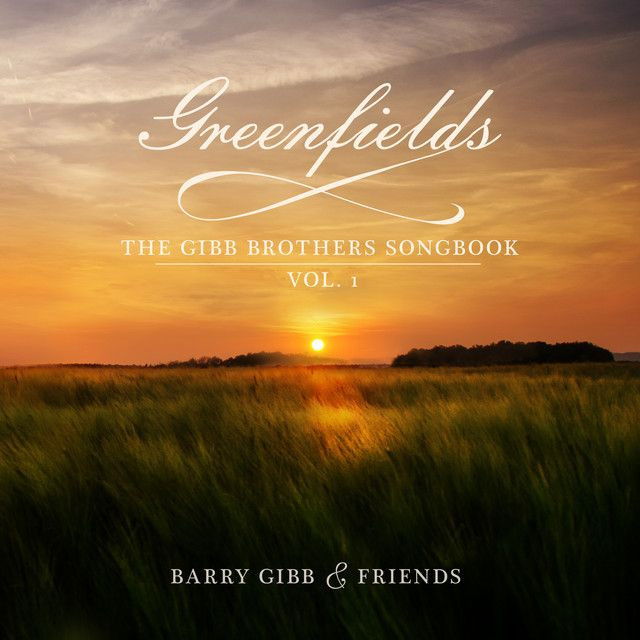
In the 2021 duet, Barry Gibb and Brandi Carlile bring new warmth to a Bee Gees classic first released in 1972 as the lead single from To Whom It May Concern. That original version reached No. 9 in the UK and No. 16 on the Billboard Hot 100, showing how strongly its message connected with listeners. The song was written by Barry, Robin, and Maurice Gibb and later reimagined for Greenfields: The Gibb Brothers Songbook, Vol. 1 with producer Dave Cobb in Nashville.
A Love Song Built on Reassurance
At its core, the song speaks to a person carrying emotional damage. Early lines use images of weather and pain to suggest inner hurt, including the phrase rain in your heart
. That image matters because it turns sadness into something constant and hard to escape.
The speaker does not begin with confidence. They ask whether it is am I unwise
to open this person’s eyes to love. That question gives the song its emotional honesty. They are not claiming they can magically fix everything. They are wondering if love can still reach someone who has been let down.
Interpretation: This uncertainty makes the song feel gentler than a typical rescue fantasy. They are offering care, not control.

Watch the official Run To Me
music video
Who They Are Singing To
The song seems aimed at someone vulnerable, isolated, and possibly fresh from heartbreak. The verses describe loneliness in practical, physical terms: being hurt, being cold, having no one nearby. Those details make the pain feel immediate rather than abstract.
Then the chorus gives the answer: Run to me
. In plain language, the singer becomes a safe place. They are offering a shoulder, a home base, and emotional steadiness.
There is one lyric that can sound a little dated now: someone older
. In context, it likely means someone dependable and experienced, not necessarily much older in age. The point is maturity. The singer presents themselves as calm and reliable when life becomes confusing.
How the Verses Lead to the Chorus
The song’s structure is simple, and that simplicity is part of its power. Each verse names a different kind of emptiness, then the chorus answers it.
- First, there is emotional injury.
- Next, there is physical and social isolation, like being out in the cold.
- Finally, there is a feeling of having nothing left to choose or hold onto.
After each setup, the chorus returns to the same invitation. That repetition matters because it models consistency. The singer does not change the offer depending on the problem. The answer stays the same.
Run to me, whenever you're lonely
when you need a shoulder
Those lines sum up the whole song: when the world feels empty, intimacy starts with presence.
The Deeper Themes Under the Surface
Several themes run through the lyric:
- Protection: The speaker wants to shield someone from further hurt.
- Patience: They do not force a happy ending.
- Emotional refuge: Love is framed as a place to go, not just a feeling.
- Hope after damage: The song assumes pain is real but not final.
Interpretation: The strongest idea may be that love begins as availability. Before romance can bloom, someone has to be trustworthy enough to receive another person’s fear.
That is why the song still lands. It understands that lonely people do not always need grand speeches. Sometimes they need one person who means it when they say, in effect, come here, you do not have to carry this alone.
Why the Barry Gibb and Brandi Carlile Version Hits Differently
The 1972 recording is built from soft rock, close harmonies, and Bill Shepherd’s orchestral arrangement, with Barry and Robin sharing lead vocals. It has the polished ache of classic Bee Gees balladry.
The 2021 version shifts the mood without changing the core meaning. On Greenfields, Barry revisited Bee Gees songs with country and Americana artists, produced by Dave Cobb. Barry told Billboard that Brandi wanted to record Run to Me
before he arrived in Nashville, so she cut her part with Cobb first and Barry added his vocal later.
That detail fits the duet’s sound. It feels intimate but slightly weathered, as if two voices are meeting across time. Brandi Carlile’s tone adds earthiness and empathy, while Barry’s voice carries memory. Together, they make the song feel less like courtship and more like shared survival.
Sound, Performance, and Meaning
Musically, the song supports its message through restraint. The melody rises softly rather than exploding. The arrangement leaves room for the singers to sound close and human.
In both versions, harmony is crucial. When voices join on the hook, the song enacts what the lyric promises: companionship. The listener does not just hear reassurance; they hear people holding the line together.
That may explain why critics responded well to the original. Cash Box praised its chorus, and Record World called it gently irresistible. Those reactions make sense because the hook feels immediate, but the emotional tone stays tender rather than overpowering.
Why It Endures
The meaning of Run To Me Barry Gibb, Brandi Carlile lasts because it is so clear. The song says that love is not always fireworks. Sometimes it is reliability, warmth, and the courage to stay available to someone who has every reason to doubt.
For many listeners, that makes it one of the Bee Gees’ most compassionate ballads. The Brandi Carlile duet only sharpens that quality, turning a classic plea into a mature act of welcome.
Disclaimer: This interpretation combines documented song history with informed reading of the lyrics and performance. Meanings can vary from listener to listener.









