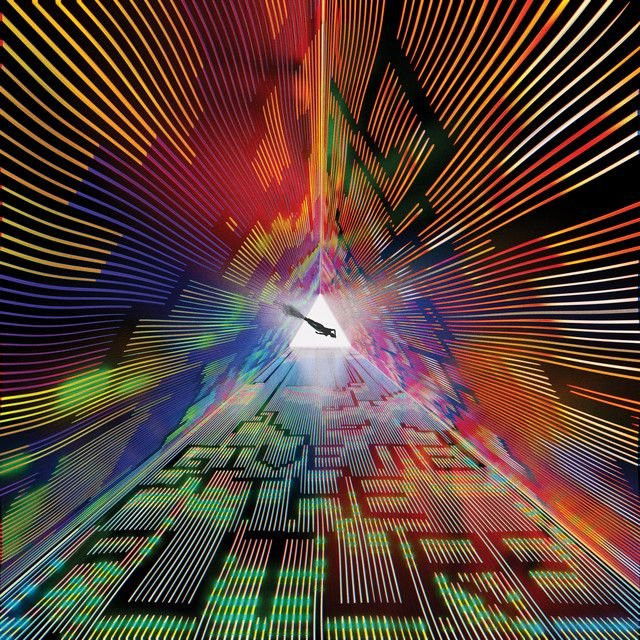
Back To The Future by Bastille
They open with an unsettling image: a world that feels bent out of shape. The narrator hints that today looks like a dystopian novel, then reaches for night and nostalgia to cope. That tension—fear of the present versus the comfort of imagined futures—drives the meaning of Back To The Future Bastille.
"Back To The Future" - Bastille
We're living 1984
If doublethink's no longer fiction
Loading lyrics...
Unable to load lyrics
We're unable to display the lyrics at this time. Please try again later.
What This Future-Time Daydream Is Really Saying
Bastille frame modern life as a place where truth blurs and attention fractures. In that setting, the singer chooses escape at night, using stories and sci‑fi to retake control. When they admit we're living 1984
, they’re not quoting politics as much as naming a feeling: surveillance, doublespeak, and unease.
Interpretation: The song argues that dreaming can be a survival tool. By returning “back to the future,” the narrator claims the right to edit their timeline, to imagine a version of tomorrow that makes sense. That isn’t denial so much as emotional first aid when daylight hurts.
Watch the official Back To The Future
music video
Who’s Talking in the Dark?
The voice is first person, reaching toward a second person—someone they want to revive or remember when things tilt sideways. They whisper a soft instruction—close your eyes and melt away
—and it lands like an invitation to step out of the grind. The “you” could be a partner, a cherished memory, or even their better self waiting in a brighter timeline.
Interpretation: That ambiguity widens the song’s reach. Listeners can map the “you” onto whoever they need to save—another person, a community, or their own hope.
The Nighttime Plot, Beat by Beat
- Daylight disappointment: waking life keeps letting them down.
- Trigger: darkness falls, and the narrator flips into dream mode—
I can dream away
. - Mission: in that headspace, they try to restore what’s missing, even to
bring you to life
in memory or feeling. - Return: they loop
Back to the future again
, refreshed but aware the world hasn’t changed.
That loop is the point. The future they visit is symbolic—an optimistic edit that helps them face the next morning.
Symbols, Easter Eggs, and Why They Matter
The lyrics drop cultural breadcrumbs. Orwell’s 1984 and the phrase doublethink's no longer fiction
speak to information fog and control. Huxley hints at distraction and soft numbing. Blade Runner colors the city with neon and rain, where humans and machines blur and reality's distorted
.
Then there’s a fairy‑tale exit: tap our heels three times
nods to The Wizard of Oz, wishing for an instant portal home. Layered together, these references create a shared dictionary. The band doesn’t need to explain the dystopia; they summon it in shorthand, then counter it with pop’s bright rush.
How the Sound Turns Anxiety into Lift
Bastille build a retro‑futurist gloss: luminous synths, a pulsing beat, and gang‑style shouts that punctuate the hook. The chant-like “ahoo” functions like a beacon—tribal, catchy, and a little surreal. Bright chords and a climbing pre‑chorus mimic the way fantasies gather momentum before liftoff.
Interpretation: That production choice is intentional theater. Dressing hard ideas in shimmering pop lets the message land without feeling heavy. The sound says: yes, things are scary; now, run to the neon and catch your breath.
Two Plausible Readings (And How They Overlap)
- Personal coping anthem: The narrator uses dreams to edit emotions, reviving connection when the present is harsh. The “future” is their private safe room.
- Cultural critique with comfort: The sci‑fi roll call isn’t cosplay—it’s a mirror. By naming familiar dystopias, the song argues we need better stories, and fast.
Both readings meet in the chorus: use imagination to reclaim agency. It’s not naive; it’s strategic hope.
Why This Fits Bastille’s Bigger Picture
Give Me The Future, the album housing this track, obsesses over tech, nostalgia, and the curated versions of ourselves we build. Bastille have long balanced apocalyptic images with sing‑along hooks, and this song sharpens that habit. The message is consistent: if the feed is chaos, shape your own scene.
Takeaway: Dreaming as a Survival Skill
Back To The Future isn’t an ode to denial. It’s a plan for endurance. By naming the dread and then running toward a chosen vision, the narrator finds light they can carry into day.
Disclaimer: Song meanings are interpretations based on lyrics, context, and public information; individual listeners may experience the track differently.








