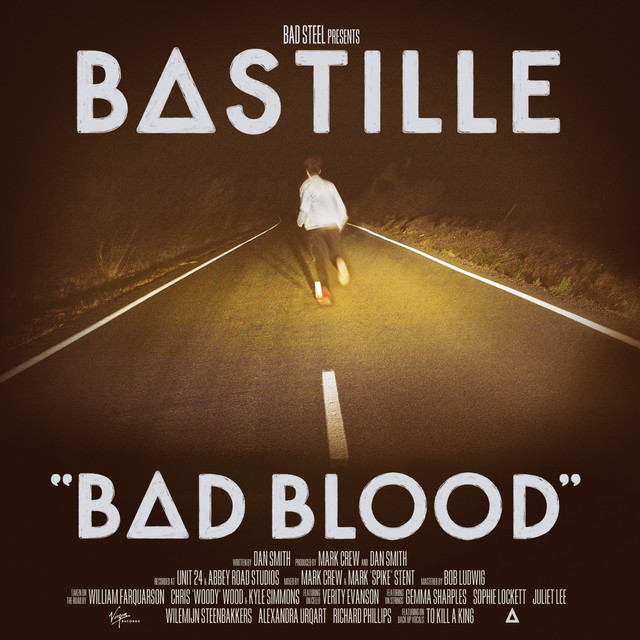
Bad Blood by Bastille
Where the Hurt Really Comes From
The meaning of Bad Blood Bastille centers on a friendship that has gone sour. Rather than telling a dramatic breakup story, the song looks at something quieter and often more painful: the slow decay of trust between people who once felt inseparable.
"Bad Blood" - Bastille
There was nowhere else to go
And you said you always had my back
Loading lyrics...
Unable to load lyrics
We're unable to display the lyrics at this time. Please try again later.
The opening memory places the relationship in youth, with shared time, shared habits, and the belief that loyalty would last. When the song recalls being young and carefree, it is not just nostalgia. It shows the gap between who they were then and who they are now.
That contrast drives the whole track. The past was warm, impulsive, and full of promise. The present is cold, tense, and filled with old resentment.

Watch the official Bad Blood
music video
A Friendship, Not Just a Fight
Many listeners hear “Bad Blood” as a general song about conflict, but its details point strongly toward broken friendship. The line about someone saying they always had the other person’s back sets up a bond built on trust, not romance alone.
Later, the song makes the issue plain by referring to how friendship changes when resentment grows. That is important because Bastille are not describing one explosive betrayal. They are describing emotional corrosion.
In simple terms, the song says this: people can be shaped by the same memories and still end up unable to stay close. Shared history does not always save a relationship.
How the Verses Build the Story
The verses move in a clear emotional timeline:
- They remember a close, youthful bond.
- They admit neither person saw the fallout coming.
- They show how old memories still connect them.
- They warn that constant replaying of the past leads to damage.
- They accept that the two people may have to part.
That structure matters. The song does not jump straight to blame. First it establishes affection, then confusion, then fatigue.
A short phrase like we were young
carries more than scene-setting. It frames the conflict as something rooted in time. Meanwhile, always had my back
highlights the promise that now feels broken.
Why the Chorus Hits So Hard
The chorus turns the song’s title image into its key idea. “Bad blood” means tension that has lasted too long. But Bastille deepen that familiar phrase by asking whether it can finally be left alone.
When the singer pleads won't you let it dry?
they are using the image of blood as something spilled, visible, and stubborn. It suggests an injury that happened long ago but still has not healed.
The next idea, paraphrased, is that this bitterness has been cold for years. That image of emotional coldness matters because it implies the conflict is no longer active in a fiery way. It has become frozen, preserved, and strangely permanent.
All this bad blood here
won't you let it dry?
This is the song’s emotional core. They are not asking to forget the past happened. They are asking to stop feeding it.
Memory Is Both Glue and Poison
One of the smartest things in the lyric is its double view of memory. On one hand, the song says certain days and little moments bind people together forever. On the other, those same moments can keep pain alive.
That tension gives the track its depth. Shared history is not presented as purely beautiful or purely painful. It is both.
Interpretation: The song suggests that identity itself can come from old relationships. Even after people drift apart, they still carry the marks of who they were together. That is why letting go feels so hard. It is not just losing a person; it is loosening a piece of the self.
The Sound Makes the Distance Feel Real
“Bad Blood” was released as a 2012 single and later appeared on Bastille’s debut album, Bad Blood. According to the song’s credits, it was written by Dan Smith and produced by Dan Smith and Mark Crew. Those facts help explain why the track feels so personal but also sharply designed.
Musically, the song sits between indie pop and synth-pop, with a cool electronic surface and a strong pop pulse. The beat keeps moving, but the mood never fully lifts. That mismatch is effective. It sounds catchy enough to sing along to, yet emotionally restrained enough to feel unresolved.
The production avoids huge melodrama. Instead, it uses clipped rhythms, layered vocals, and a polished chill. That coolness mirrors the lyric about feelings that have gone cold. The hook repeats until it feels almost obsessive, like a thought they cannot stop returning to.
Bastille’s Context Matters
Early Bastille songs often mixed big emotional themes with sleek, modern production. “Bad Blood” fits that pattern perfectly. It came before “Pompeii” turned the band into major international stars, but it already showed their strengths: memorable hooks, cinematic mood, and lyrics about damage, memory, and human distance.
The single had a real afterlife too. It reached the U.S. Billboard Hot 100 and later earned Gold certification in the United States, as listed by the RIAA. That reception suggests the song connected because its conflict is widely recognizable. Many people know what it feels like to have history with someone but no clear path back to peace.
A Second Reading: Is It About Refusing Drama?
There is another valid way to hear the song. Beyond sadness, there is also a boundary being set. The repeated insistence that they do not want to hear about the conflict anymore sounds tired, but it also sounds firm.
Interpretation: In this reading, the song is not just grieving a damaged bond. It is choosing emotional survival over endless rehashing. The speaker may still care, but they are done reliving the wound.
That makes the ending feel mature rather than bitter. Walking away is painful, yet sometimes it is the healthiest choice.
The Lasting Meaning of Bad Blood Bastille
The meaning of Bad Blood Bastille is ultimately about the space where love, loyalty, memory, and resentment overlap. It captures a very specific pain: when two people are tied together by the past but trapped by what that past became.
What makes the song last is its balance. It does not demonize either side, and it does not offer an easy reunion. Instead, it asks whether old hurt can be allowed to rest.
That question is why the song still lands. Many listeners do not need a villain to understand heartbreak. Sometimes all they need is the sound of two lives drifting apart under the weight of what they once meant to each other.
Disclaimer: This article offers interpretation based on the lyrics, recording context, and public release information. As with most songs, listeners may hear different meanings in “Bad Blood.”







