Why 'Pompeii' by Bastille Still Feels So Human
Bastille turned an ancient disaster into a modern anthem about denial, damage, and the hard work of facing what changed.
"Pompeii" - Bastille
Provided by LyricFindEh-eh-oh, eh-oh
Eh-eh-oh, eh-oh
Eh-eh-oh, eh-ohLoading...Loading lyrics...
Unable to load lyrics
We're unable to display the lyrics at this time. Please try again later.
The Heart of the Song
The meaning of Pompeii Bastille is not really about archaeology. It is about what happens after life falls apart. The song imagines people trapped in the aftermath of disaster, trying to make sense of wreckage while also wanting to believe everything is still the same.
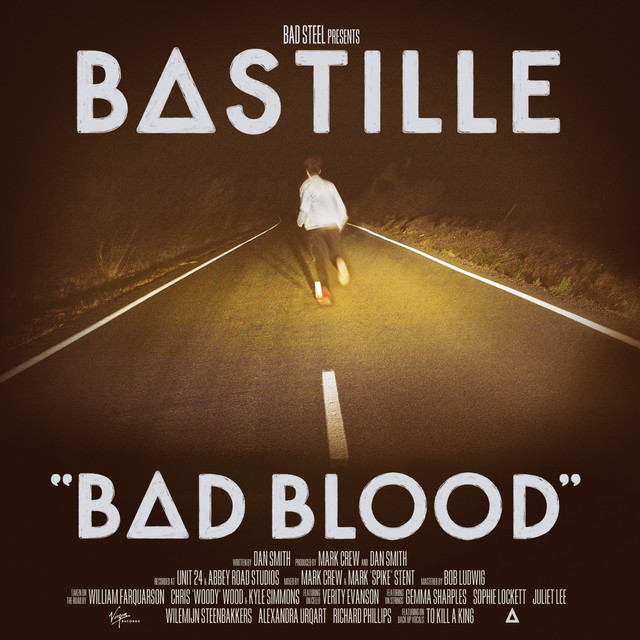
That idea comes from songwriter Dan Smith himself. He said the song was inspired by images of Pompeii victims and by imagining “an imaginary conversation” between two people stuck in their final positions for centuries. Factually, “Pompeii” was released as a single from Bastille’s debut album Bad Blood in 2013, written by Dan Smith and produced by Smith and Mark Crew.
Interpretation: That historical setup matters because Bastille use Pompeii as a metaphor. The ruined city stands for emotional freeze: the moment after a breakup, a social collapse, or a personal crisis when people are unable to move on.

Watch the official Pompeii
music video
A Chorus About Denial
The song’s chorus is why it hit so hard. When the narrator asks if they can close your eyes
and feel like nothing changed at all
, they are not offering comfort. They are exposing denial.
The question sounds simple, but it cuts deep. It captures the moment when damage is obvious, yet people still wish they could skip the pain of admitting it. That is why the line feels personal and universal at once.
But if you close your eyes
Does it almost feel like
Nothing changed at all?
Interpretation: This is the emotional engine of the song. They are not really asking whether change happened. They know it did. They are asking how people keep living when pretending is easier than rebuilding.
Ruins, Guilt, and Shared Damage
The verses widen that idea. Early on, the narrator admits being left to my own devices
, which suggests drift, isolation, and wasted time. Later, the song shifts from “I” to “we,” making the crisis collective rather than private.
That move is important. The disaster is not just one person’s fault or pain. In the lines about being lost in vices and wondering whether to start with the rubble or our sins
, the song links physical destruction with moral failure.
Interpretation: Bastille seem to suggest that collapse rarely comes from nowhere. Sometimes there is an outside catastrophe. Sometimes people help build the conditions for their own downfall through avoidance, selfishness, or numb habits.
Why the Sound Feels So Big
One reason “Pompeii” became a major crossover hit is the tension between sound and subject. Musically, it is bright, punchy, and communal, blending alternative rock, synth-rock, and pop energy. Its famous vocal chant and arena-ready rhythm make it feel almost celebratory.
That contrast is smart. The production turns dread into a singalong. The track runs at about 127.5 BPM in A major, with a clean, driving chord loop that keeps pushing forward. Instead of sounding buried by ash, it sounds like people trying to outrun it.
Interpretation: The upbeat production mirrors the song’s central conflict. It sounds like forced optimism. Even the huge “eh-oh” hook feels less like nonsense and more like a crowd trying to stay alive by shouting together.
The Pompeii Metaphor in Context
Pompeii works because it is vivid. Everyone understands the image of a city frozen in disaster. Bastille borrow that image and make it emotional: people can be preserved by shock just as much as by ash.
The official video pushes that reading further. Directed by Jesse John Jenkins and filmed in Los Angeles and Palm Springs, it shows Dan Smith moving through a haunted modern world, with people marked by vacant black eyes before he becomes infected too. The visual turns ancient catastrophe into contemporary anxiety.
That broadness helps explain the song’s reach. “Pompeii” peaked at No. 5 on the Billboard Hot 100 in the United States and No. 2 in the UK, later earning multi-platinum certifications in both countries. Listeners could hear it as a breakup song, a depression song, a social-warning song, or all three at once.
More Than One Meaning Fits
There is no single locked reading, and the song invites that ambiguity.
A personal reading
It can be heard as two people in a broken relationship, stuck in old patterns and unable to admit the damage. In that view, the city is their shared emotional world.
A social reading
It can also sound like a song about communities ignoring visible decline. The repeated question about optimism feels especially sharp when heard through political stress, environmental fear, or cultural burnout.
Both readings work because the lyrics stay broad while the imagery stays strong.
Why It Endures
The meaning of Pompeii Bastille lasts because the song names a feeling many people know but rarely phrase well: the wish to pause reality when reality gets ugly. It understands how people can be frightened, guilty, numb, and still desperate to keep hope alive.
That is why the final emotional effect is not pure despair. The song asks a hard question rather than giving an easy answer: how are they supposed to be optimistic after the collapse? The power comes from the fact that they keep asking.
Disclaimer: This interpretation combines documented artist comments, release facts, and close reading of the song. Like most pop songs, “Pompeii” remains open to multiple valid interpretations.








