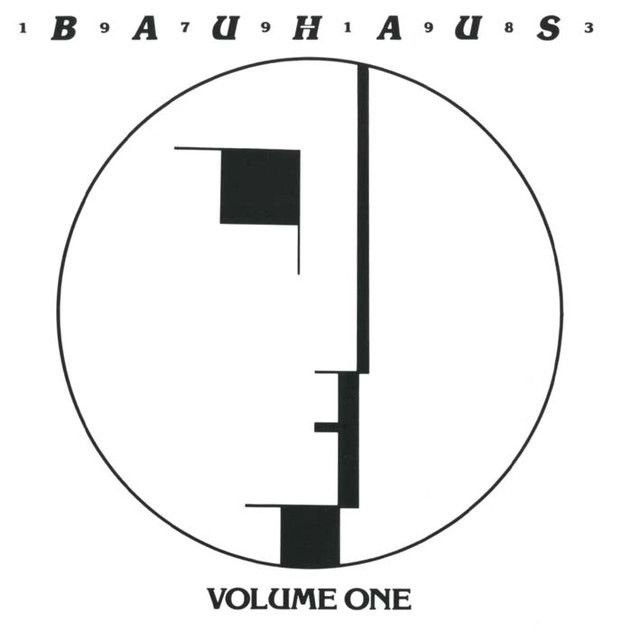
Dark Entries by Bauhaus
The meaning of Dark Entries Bauhaus begins with a rush of danger. Bauhaus turn lust, vanity, and urban decay into something feverish. The song does not tell a neat story. Instead, they throw listeners into a world of secret rooms, nightlife, and a self that starts to crack open.
"Dark Entries" - Bauhaus
With sheathes and pills
Invading all those stills
Loading lyrics...
Unable to load lyrics
We're unable to display the lyrics at this time. Please try again later.
Released as a stand-alone single on January 18, 1980, “Dark Entries” arrived early in Bauhaus’s rise and helped define their dark edge, even while it moved faster and hit harder than much of their later goth reputation. It is commonly tagged as post-punk and gothic rock, and critics have long noted its almost manic energy.
A Fast Descent Into Temptation
At its core, the song seems to track someone moving through the city and into a sexual or moral underworld. They wander under “neon lights,” find a room they cannot forget, and end up confronting a hidden self. The repeated movement from the street to the bed to the exposed psyche makes the song feel like a collapse of public and private boundaries.
Interpretation: The key idea is not just sex. It is what desire reveals. When the narrator says their “shielded pride”
is stripped away, the song suggests that pleasure also removes defenses. What comes out is not freedom alone, but a darker truth.
That is why the title matters. “Dark entries”
can suggest doorways, hidden acts, or internal passages into the self. Bauhaus leave the phrase open enough to carry all three meanings.
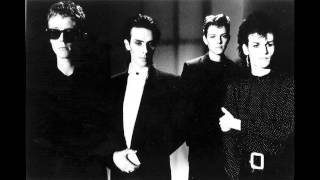
Watch the official Dark Entries
music video
The Dorian Gray Connection
One of the most common readings ties the song to Oscar Wilde’s The Picture of Dorian Gray. Songfacts reports that the song tells the story of Dorian Gray, and Peter Murphy later spoke about how much Wilde’s novel meant to him, calling it a story of narcissism and inner life. That link makes sense here.
Interpretation: If the song is read through Dorian Gray, then its nightlife imagery becomes a portrait of corruption. The beautiful surface moves through pleasure while the hidden self becomes more damaged. The line about becoming one’s “darker side”
fits that idea especially well.
Even without the novel, the song still works. But the Wilde connection adds depth. It helps explain why vanity, performance, and moral rot feel so central. This is not a simple seduction song. It is about what happens when appetite becomes identity.
Who Speaks in the Lyrics?
The voice is mostly first person, but the song keeps shifting focus. Sometimes they sound hunted and desperate. Sometimes they sound willing, even thrilled. Elsewhere, the lyrics seem to observe another figure moving through the city, offering themselves to strangers.
That shift matters. It creates a blurred line between confession and witness. When the song describes someone “soliciting”
and preying on lonely people, it expands from private shame into social decay. The city itself becomes part of the song’s meaning.
A Brief Story Hidden in Fragments
The lyrics loosely move through these beats:
- A body numbed by chemicals and exhaustion.
- A walk through the city’s bright but alienating night.
- A sexual encounter that strips away pride.
- A wider glimpse of exploitation in the urban scene.
- A return to the hook, as if trapped in the same cycle.
That circular shape is important. They do not end with insight or healing. They end in repetition.
How the Sound Carries the Meaning
The music is a huge reason the song feels so dangerous. According to AllMusic, the track opens with a storm of feedback and percussion and races at a breakneck pace. That description fits what listeners hear: this is Bauhaus at their most aggressive.
Daniel Ash’s guitar sounds jagged and unstable, while the rhythm section pushes forward like a chase scene. Peter Murphy’s vocal is breathless rather than dreamy. Instead of gothic grandeur, the band go for panic, velocity, and abrasion.
Interpretation: That punkier attack mirrors the lyrics’ loss of control. A slower arrangement might have made the song sound seductive. This one sounds cornered. It turns temptation into a sprint toward collapse.
Symbols That Keep Returning
Several images carry the song’s themes:
City Light Versus Inner Darkness
The bright street scene under “neon lights”
does not offer clarity. It hides corruption in plain sight. Public glamour and private decay live side by side.
Beds, Rooms, and Entryways
The room and the bed are not romantic spaces here. They are thresholds. Once crossed, the narrator cannot keep up the same self-image.
Money, Class, and Pretension
The lyrics also take aim at status. References to upper-class targets, lonely office workers, and “pretentious love”
make desire feel transactional. Bauhaus suggest that corruption is not limited to one kind of person. It cuts across class and style.
Why the Song Still Hits
“Dark Entries” remains powerful because it captures a feeling that many post-punk songs chase: the sense that modern city life can be thrilling and spiritually rotten at the same time. Its legacy reflects that power. The song has been praised as one of the great goth records, and its riff was famously echoed by Hole on “Mrs. Jones.”
The track also stands out in Bauhaus’s catalog because it is so lean and explosive. It does not brood from a distance. It throws itself straight into the mess.
Final Reading of the Song
The meaning of Dark Entries Bauhaus is best understood as a confrontation with temptation and the self that temptation uncovers. Factually, the song is an early 1980 Bauhaus single written by Peter Murphy, Daniel Ash, Kevin Haskins, and David J. Interpretation: lyrically, it feels like a portrait of urban corruption where sex, class, vanity, and shame all feed each other.
That is why the song still feels vivid. It does not simply describe darkness. They enter it.
Disclaimer: This interpretation is based on the lyrics, recorded performance, and documented artist context. As with many Bauhaus songs, some meanings remain intentionally open.







