Third Uncle by Bauhaus
Why This Cover Still Feels So Unsettling
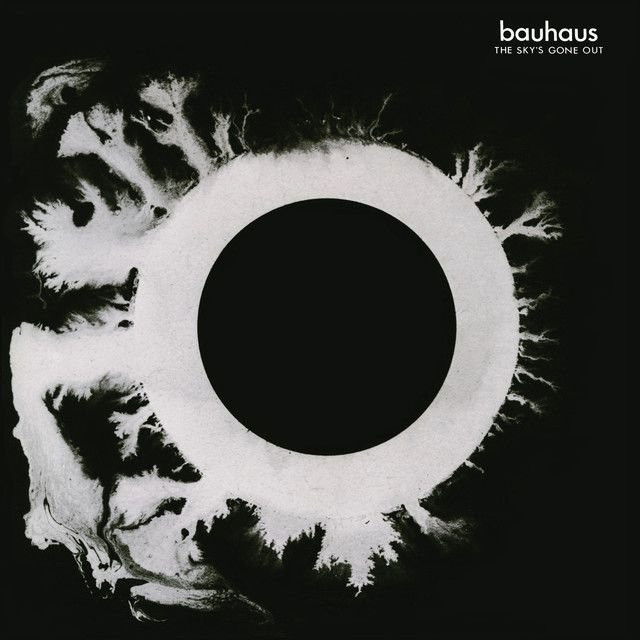
The meaning of Third Uncle Bauhaus starts with a useful fact: Bauhaus did not write the song. It began as a 1974 Brian Eno track from Taking Tiger Mountain (By Strategy), and Bauhaus later turned it into a harsher, more gothic performance on The Sky's Gone Out in 1982. According to Wikipedia, Eno co-wrote the song with Brian Turrington, and Bauhaus helped carry it from proto-punk into post-punk and goth territory.
"Third Uncle" - Bauhaus
There was pork
There are legs
Loading lyrics...
Unable to load lyrics
We're unable to display the lyrics at this time. Please try again later.
That history matters because the song's meaning is not built around a neat story. Instead, it works through pressure, repetition, and disjointed images. Bauhaus lean into that instability. Their version sounds less like a confession and more like a nervous system under attack.

Watch the official Third Uncle
music video
The Core Meaning Beneath the Chaos
At its center, the song seems to present a mind sorting through fragments of modern life and then turning destructive. The opening lines stack unrelated objects and people together: food, body parts, animals, family, places. Phrases like There are tins
and There are sharks
do not explain themselves. They create a list-world, as if the singer is naming whatever flashes into view.
Interpretation: This can suggest overload. The speaker does not describe a stable reality. They catalog it in bursts. That makes the song feel anxious, detached, and strangely comic at the same time.
The repeated shift toward there was you
gives those fragments an emotional target. After all the random items, one person remains. That move makes the song feel less abstract. Beneath the clutter, there may be obsession, accusation, or fixation.
A Voice That Observes, Then Attacks
From inventory to confrontation
The first half sounds almost clinical. The speaker notices scenes, objects, and social types without much feeling. The language is simple, but its simplicity is eerie. It is like they are filing the world into drawers.
Then the song changes. The final section becomes violent and transformative. The repeated command Burn my fingers
introduces pain, then spreads outward to family and possessions. The destruction is not only physical. It feels symbolic, like the speaker wants to erase inheritance, identity, or old roles.
Burn his books
Burn his shoes
Cook the leather
Put it on me
Paraphrased, the song moves from burning a figure's belongings to wearing what remains. That is a striking image. The speaker does not just destroy the old self or old authority. They try to remake themselves from it.
Why the "uncle" matters
There is no confirmed single explanation for the title. A useful interpretive summary on Quora argues that "Third Uncle" works more as an odd persona than a literal relative. That fits the song. "Uncle" suggests family, but "third" adds distance and weird specificity. It sounds familiar and alien at once.
Interpretation: In Bauhaus's hands, the third uncle can stand for a strange inherited figure: authority, eccentricity, or the odd adult presence someone cannot fully escape. Burning his things may mean rejecting that influence. Wearing them may mean becoming part of it anyway.
How Bauhaus Change the Song's Meaning
Bauhaus's cover is not just a remake. It sharpens the original's menace. Eno's version is already frantic, with a famous bass-driven pulse and clipped vocal style. Research on the song notes that the original uses a delay-heavy bass riff and staccato guitars, with Eno singing in a near-monotone. Those choices make the words feel emotionally sealed off.
Bauhaus keep the angular attack but add more darkness and theatrical threat. Their style makes the lyrics feel less absurdist and more predatory. What may have sounded sly or detached in Eno now sounds hunted, cornered, and feverish.
That shift is important to the meaning of Third Uncle Bauhaus. The cover pushes listeners to hear the song as body horror, social panic, or identity breakdown. The words themselves do not change much, but the emotional weather changes a lot.
Images of School, Family, and Clothing
Several images keep repeating through the lyric, and each points to social pressure.
- Lists of objects suggest cluttered modern life.
- Family references suggest inheritance and authority.
- Schools and lockers suggest systems that sort people.
- Clothing and fit suggest identity, role-play, and discomfort.
The final question about whether something fits ends on a sharp image of restriction. The line implies that identity can feel imposed, almost like a costume pulled too tight. That idea connects the whole song. At first, the speaker names the world. By the end, the world is dressing them in something they may not want.
Reception, Context, and Lasting Influence
This song matters beyond its words. Eno's original has often been treated as a proto-punk landmark, and Bauhaus's version shows how easily its jagged structure fits goth and post-punk. Critics have linked Eno's aggressive early work to "goth's sonic DNA," which helps explain why Bauhaus were drawn to it.
For listeners in the United States especially, the cover can sound like a bridge between art-rock experimentation and the darker side of alternative music. It is fast, repetitive, and oddly catchy, but it never settles into comfort. That tension is the whole point.
The Best Way to Hear It
The meaning of Third Uncle Bauhaus is not a puzzle with one answer. Factually, it is an Eno song transformed by Bauhaus into a colder, more gothic statement. Interpretation: The lyric can be heard as a portrait of overload, a rejection of inheritance, or a terrifying act of self-reinvention.
What makes the song last is the way its sound and words trap those ideas together. The images are fragmented. The emotions are controlled until they are not. And the final feeling is deeply Bauhaus: identity as something unstable, inherited, and hard to wear.
Disclaimer: This interpretation combines documented song history with informed reading of the lyrics and performance. Because the song is deliberately ambiguous, other readings are possible.








