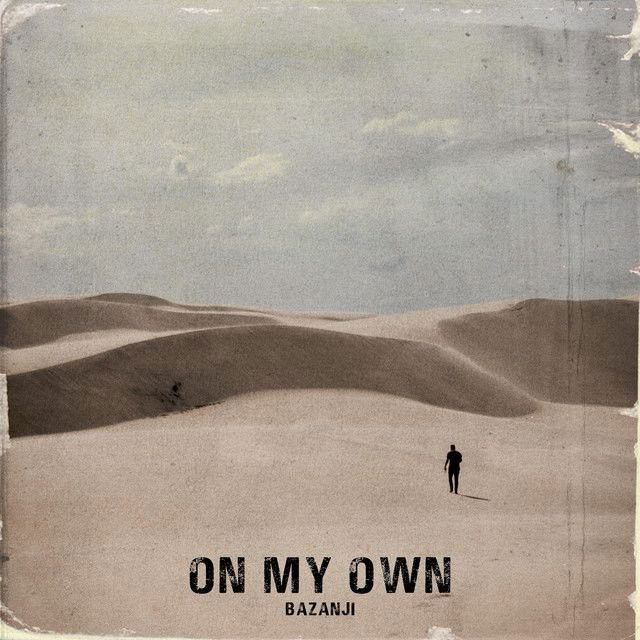
Why "On My Own" Hits Harder Than a Victory Lap
The meaning of On My Own Bazanji is not simple triumph. It is a song about what happens after visible success arrives and still does not quiet fear, self-doubt, or loneliness. Instead of celebrating a win, Bazanji turns inward and shows the cost of carrying ambition, responsibility, and a public image at the same time.
"On My Own" - Bazanji
Making me think I'm not good enough, making me think I'm not like the rest
I got everything that I wanted but lately I'm feeling so empty
Loading lyrics...
Unable to load lyrics
We're unable to display the lyrics at this time. Please try again later.
That tension gives the track its power. They describe a person who has reached goals, earned attention, and built momentum, yet still feels mentally stranded.
The Real Core of the Song
At its heart, the song is about the gap between achievement and emotional peace. Early lines describe a private battle with intrusive thoughts, including the short phrase voice in my head
. Paraphrased, the song suggests that success has not erased insecurity; it may have made it louder.
The verses keep returning to the same contradiction. They have what they wanted, but they do not feel full. They are praised by others, yet internally they feel close to falling apart. That is the emotional engine of the song.
Interpretation: The track reads like a confession from someone who is winning in public and struggling in private. Rather than reject success, they question why success has not brought calm.
Watch the official On My Own
music video
When Success Starts to Feel Hollow
One of the sharpest ideas in the song is that external proof does not always create inner confidence. Bazanji mentions streams and progress, but then doubts whether music is truly their calling. That is a striking admission because it comes from a place where many listeners would expect certainty.
The song also links emotional stress to coping habits. When they describe spending to manage anger and trying to slow the mind at night, the message is clear: pressure is spilling into everyday life. This is not just about career stress. It is about being unable to turn their thoughts off.
Public Image vs. Private Reality
A key line of thought is the contrast between how others see them and how they see themselves. The lyrics suggest that people assume they are doing great, while internally they feel unstable. That split is common in songs about fame, but here it sounds less glamorous and more exhausted.
The short phrase right place, right time
captures that irony. They know they are in a good position, yet immediately deny that everything is okay. The song argues that gratitude and pain can exist together.
Why the Chorus Lands So Hard
The chorus is simple, but that simplicity is what makes it stick. The repeated phrases on my own
and all alone
strip away the details of career and leave only the feeling underneath.
This matters because the verses are packed with responsibilities, questions, and future plans. The chorus cuts through all of that. It says that beneath the work ethic and confidence, the emotional truth is isolation.
Feeling like I'm on my ownFeeling like I'm all alone
Those lines are not complicated, but they are central. They turn the song from a motivational rap into something more vulnerable.
A Story of Duty, Not Just Doubt
The second verse expands the song beyond personal struggle. Bazanji frames music as service. They know listeners lean on the songs during their own hard moments, and that awareness creates pressure to keep going.
This is where the track gets more layered. The narrator is not only trying to save their own dream. They also feel responsible for fans, family, and the story they started telling when they first entered music.
The phrase help out my fam
shows that ambition is tied to obligation. Another short phrase, stick to the plan
, suggests discipline, but also a kind of self-command. They are trying to force themselves forward because stopping would feel like failure to others and to themselves.
Interpretation: The song presents perseverance as both noble and heavy. Their mission gives life meaning, but it also makes rest feel almost impossible.
How the Sound Supports the Message
Even without overexplaining the production, the track’s musical shape supports its themes. The beat leans on modern melodic rap and trap elements: steady drums, a polished low end, and a spacious backdrop that leaves room for the vocal to feel exposed.
That matters because the vocal delivery carries two moods at once. In the verses, Bazanji sounds focused and driven, pushing through long thoughts. In the hook, the melody softens and opens up, making the loneliness sound less defensive and more direct.
The result is a useful contrast:
- Verses = momentum, duty, self-talk
- Chorus = emptiness, fatigue, isolation
- Repetition = the sense of being stuck in a cycle
This balance helps explain the meaning of On My Own Bazanji. The production keeps moving, but the emotion stays unresolved.
Artist Context and What It Adds
The song was written by Shad Albarazanji, known professionally as Bazanji. That fact matters because the lyrics feel closely tied to an artist’s perspective on visibility, output, and pressure. Even without making claims beyond the text, the song clearly speaks from inside a career built on persistence and public response.
Because of that, listeners can hear the song in two ways at once: as a personal diary entry and as a broader statement about modern ambition. In a culture that tells people to hustle constantly, this track asks what happens when the hustle works but peace still does not come.
The Lasting Meaning
In the end, “On My Own” is about endurance during a moment of private collapse. It does not pretend that motivation solves everything. Instead, it shows someone choosing to continue while still feeling uncertain, tired, and emotionally alone.
That honesty is why the song connects. It tells listeners that reaching a goal does not automatically heal the mind, and that purpose can coexist with pain.
Disclaimer: This article offers an interpretation of the song based on its lyrics and musical presentation. Meanings can vary from listener to listener.









