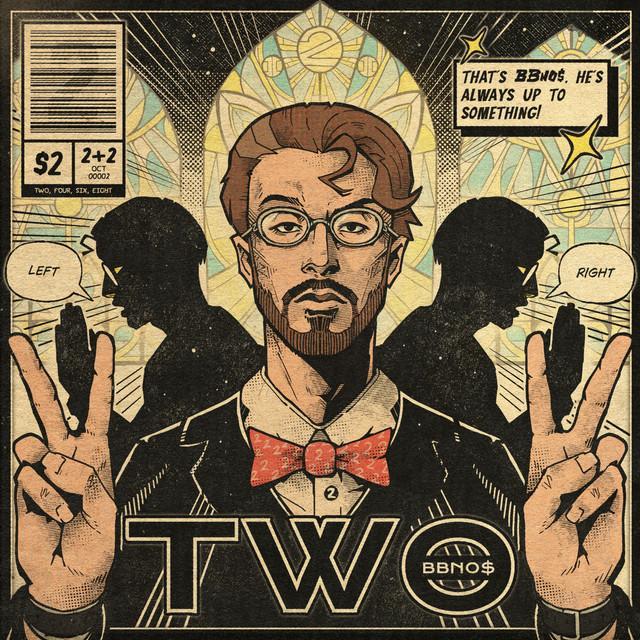
two by bbno$
The meaning of two bbno$ starts with its attitude: this is a victory lap disguised as a joke-filled rap banger. bbno$ does not build a deep emotional narrative here. Instead, they turn charisma, absurd bragging, and rhythm into the point of the song. The result is a track that feels part pep rally, part meme, and part flex anthem.
"two" - bbno$
Who do we appreciate?
That's bbno$, he's always up to somethin'
Loading lyrics...
Unable to load lyrics
We're unable to display the lyrics at this time. Please try again later.
What makes the song work is how clearly it understands its own tone. It is loud, playful, and self-aware. Even when bbno$ sounds arrogant, the bars are so exaggerated that the song feels more like performance art than a literal diary entry.
A Pep Rally for the bbno$ Persona
At its core, the song is about self-mythology. The opening chant, Who do we appreciate?
, frames bbno$ as the star of a crowd celebration. That setup matters because it tells listeners not to expect confession or heartbreak. They are entering a staged world where confidence is the main character.
The chorus keeps returning to the idea that bbno$ is always busy, always winning, and always satisfying the room. In plain terms, the song presents them as an entertainer who feeds off attention. The repeated schoolyard-style count makes the praise sound communal, almost like a sports chant.
Interpretation: That playful structure suggests the song is not just about wealth or status. It is about controlling the room. bbno$ sounds less interested in proving facts than in creating a feeling: they are the one everyone is watching.
How the Verses Turn Bragging Into Comedy
The verses are packed with fast jokes about money, bodies, brands, and desirability. A line like I'm a paradox
hints at one of bbno$'s key tricks. They act flashy and ridiculous at the same time, mixing swagger with nonsense so that the boasting never becomes too stiff.
This balance is central to the meaning of two bbno$. The flexes are real in form, but cartoonish in scale. References to luxury watches, gym culture, custom cars, and stacks of money all fit rap tradition. But then bbno$ twists them with odd images and punchlines that feel internet-native and unserious.
That is also why the song feels lighter than a standard trap boast track. They are not only saying they have status; they are showing they know how silly status can look when pushed to the extreme.
Why the Numbers Matter So Much
The song keeps counting: twos, fours, sixes, eights, and money commas. On the surface, that gives the record bounce and structure. It makes the hook easy to chant and easy to remember.
Under that surface, the numbers also support the song’s worldview. Counting becomes a way of measuring success, movement, and excess. When bbno$ repeats that's two
, the phrase sounds like a punchline tag, as if every flex gets its own scoreboard update.
Then there is the march command, left, right, left, right
. That section pushes the track into motion. It sounds like a drill chant or runway walk, which fits the idea that bbno$ is strutting through the beat, showing off with military precision and comic swagger.
Sound First, Meaning Second—and That’s the Point
A big part of the meaning of two bbno$ comes from sound rather than storyline. bbno$ is known for a playful rap style that often leans on bounce, clean delivery, and humorous phrasing; outlets like NME and Genius note that mix of comedy and hip-hop identity in coverage of their career and lyrics.
Here, the production appears built to support repetition and punch. The beat leaves room for slogans, ad-libs, and rhythmic counts. The hook lands because the instrumental does not overcrowd it. Instead, it behaves like a stage for chant-ready phrases and quick-hit bars.
The vocal approach matters too. bbno$ delivers lines with a straight face, which makes absurd images hit harder. If they sounded too intense, the song might feel aggressive. If they sounded too goofy, it could lose swagger. They split the difference, giving the track a cool, deadpan comic energy.
A Track About Appetite, Image, and Momentum
One useful way to read the song is through appetite. The chorus says bbno$ never leaves people hungry, which can be read as a promise to keep delivering entertainment. The song is full of wanting more: more money, more attention, more style, more bodies, more motion.
Two, four, six, eight
Who's that guy who really ate?
In context, that brief chant is less about food than domination. To say someone “ate” is to say they performed extremely well. So the hook turns success into consumption. bbno$ wins by taking up space and leaving no doubt about who owned the moment.
Interpretation: This is why the song feels so kinetic. It is not reflective. It is built around appetite as forward drive.
Artist Context and Writing Credits
The lyrics provided list the writers as Alexander Gumuchian, Ari Starace, and Jesse Saint John Geller. Alexander Gumuchian is bbno$’s real name, while Ari Starace is better known as Y2K, a frequent collaborator associated with bright, internet-savvy rap production, according to profiles from The FADER and AllMusic. That context fits this song well.
Even without a full production credit confirmed here, the writing team signals a style built for hooks, humor, and replay value. The song sounds engineered to spread through snippets, parties, and social clips while still rewarding close listening for punchlines.
The Bottom Line on "two"
So, what is the meaning of two bbno$? It is a song about turning self-promotion into entertainment. bbno$ uses counting, chants, flexes, and absurd images to make fame feel funny, stylish, and unstoppable at once.
Rather than revealing vulnerability, they sharpen a public persona. The track celebrates momentum itself: keep moving, keep counting, keep shining, keep the crowd fed.
Disclaimer: This interpretation is based on the lyrics provided, artist context, and musical style. As with any song, meaning can vary from listener to listener.








