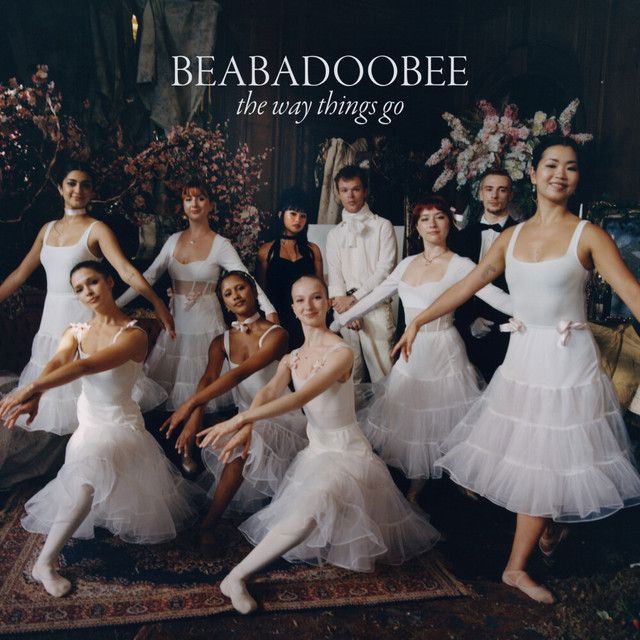
the way things go by beabadoobee
Breakups often end not with fireworks, but with a quiet sigh. Beabadoobee’s ballad lingers in that still air, where memory softens and pride lets go. The song tracks a turn from sting to serenity, and the refrain becomes a mantra of release.
"the way things go" - beabadoobee
I guess I'm just the bigger guy
And there's too much on my mind
Loading lyrics...
Unable to load lyrics
We're unable to display the lyrics at this time. Please try again later.
What the Song Is Really Saying
The meaning of the way things go beabadoobee centers on acceptance after a bruising relationship. The narrator starts overwhelmed—there’s so much left to say
—yet they stop trying to fix what’s over. Instead of revenge or denial, they practice recognition: some hurts don’t get solved; they fade.
Interpretation: The repeated acceptance isn’t apathy. It’s learned patience. Even as they recall slights and missteps, they frame them as the natural slide of life. The phrase love is blind
appears like a shrug, but it’s also a lesson: feelings clouded judgment, and now they see more clearly.
Who’s Speaking, and To Whom?
They speak directly to an ex in flashes, but mostly they speak to themselves. Lines like can’t remember how to say your name
show how distance dulls what once felt huge. The you
is present enough to spark memory, yet far enough that details blur.
Interpretation: The voice claims the moral high ground in places—calling themselves the “bigger” person—while admitting real hurt. That tension makes the acceptance feel earned, not easy.
The Chorus as Surrender, Not Defeat
At the center is a simple refrain that reframes everything before and after it:
I guess that’s just the way things go And I don’t mind that that’s the way things go
This is not throwing hands up; it’s putting them down. Each verse brings a sting—distance, blame, or jealousy—and the chorus answers with perspective. Interpretation: The second line’s “I don’t mind” marks growth, shifting from passive acceptance to active peace.
Time, Distance, and the Small Pictures
The song uses everyday images to trace healing. Passing a familiar place—passed your house when I was on a train
—turns a former home base into a quick blur out the window. That motion captures how time moves feelings along without asking.
Even the jab—didn’t think you’d ever stoop so low
—is followed by the refrain’s release. Interpretation: The narrator acknowledges pettiness without living in it. Memory is specific (freckles, phone calls, miles apart), yet the final message is broad: people change; so do we.
How the Sound Carries the Feeling
Musically, the track sways like a gentle waltz. Soft strings and light percussion wrap the vocal in a vintage glow, while a steady pulse keeps the song from sinking into sorrow. The arrangement leaves room for the voice to feel conversational, as if thinking out loud.
Interpretation: The warm, analog-leaning mix turns resignation into comfort. Where a louder production might push anger, this one favors clarity and breath, matching the move from unrest to acceptance. Subtle dynamic lifts in the chorus echo the narrator’s small step toward peace.
The Line Between Pride and Closure
Early on, they claim the high road. Later, they concede that blame and longing don’t hold up against time. The transition from pointed lines to calm ones suggests a conversation they’re finally done having.
Interpretation: The song reads like emotional inventory—tally the hurts, admit the pettiness, write it down, and let it go. That’s why the mantra returns: to replace rumination with rhythm.
Why This Resonates Now
The track taps a universal rhythm: private heartbreak met with public composure. Many listeners know what it’s like to carry on with a softened edge, choosing not to reopen old wounds. By ending with acceptance, the song offers a model for moving forward without pretending it never hurt.
Takeaway: The Quiet Strength of Letting Go
If you’re searching for the meaning of the way things go beabadoobee, it lands here: acceptance is not losing. It’s healing on a human scale—slow, honest, and, eventually, kind.
Disclaimer: Song meanings are interpretations; the artist’s intent and your own experiences may lead to different readings.









