Why "Messed Up" by Beartooth Hits So Hard
Beartooth’s “Messed Up” is a blunt, wounded song about the damage caused by someone who projects their own pain onto another person. At its core, the meaning of Messed Up Beartooth is about emotional harm, memory, and the way abuse can leave scars long after the moment has passed.
"Messed Up" - Beartooth
You're nothing but weak and insecure
It's always wrong
Loading lyrics...
Unable to load lyrics
We're unable to display the lyrics at this time. Please try again later.
The song does not hide behind vague poetry. Instead, it speaks with direct anger. That makes it feel immediate, but it also gives the track a deeper point: people who hurt others often act from insecurity, and the people they hurt do not simply forget it.
The Central Idea Beneath the Rage
On the surface, “Messed Up” sounds like a confrontation. The speaker calls out a person they see as cruel, jealous, and unstable. Early lines like small
and weak and insecure
are not just insults. They point to the song’s main claim: the abuser’s behavior grows out of weakness, not strength.
That matters because the song is not only trying to strike back. It is trying to explain a pattern. The harmful person carries pain, shame, and jealousy, then redirects it toward someone else. In plain terms, they are suffering, but instead of dealing with it, they make another person carry the weight.
Interpretation: The song can be heard as a survivor’s moment of clarity. They are no longer accepting the lie that the mistreatment was their fault.
Watch the official Messed Up
music video
Who the Song Is Talking To
The speaker addresses one person directly, asking why they take it out on me
. That question is simple, but it carries the whole song. It frames the relationship as one where the target of the harm is confused, exhausted, and finally speaking back.
There is also a strong sense of aftermath. The speaker says the damage did not end when the conflict ended. A phrase like scars you left me with
suggests emotional injury that remains active. This is why the chorus feels bigger than a single argument. It is about consequences that last.
A Short Emotional Timeline
The song moves through a clear sequence:
- They identify the other person as insecure and destructive.
- They describe the emotional effect of that behavior.
- They ask why the blame and anger were aimed at them.
- They warn that people remember who hurt them.
That structure gives the song a feeling of release. It starts in accusation, then shifts into explanation, and finally lands on judgment.
Why the Chorus Feels So Final
The chorus is the song’s moral center. It predicts a fall for the person doing harm and insists that others will remember who messed us up
. In other words, the song rejects easy forgiveness without accountability.
One day you'll fall
And no one will be there
These lines summarize the song’s harshest idea: if someone keeps hurting people, they may end up isolated by the very damage they caused. The point is not revenge alone. It is cause and effect.
Interpretation: This is less about wishing doom on someone and more about naming a truth. Actions shape reputation, and repeated cruelty changes how others respond.
Trauma, Memory, and the Title “Messed Up”
The title works in two directions. First, it describes what the harmful person did: they “messed up” someone else’s emotional life. Second, it hints at their own broken state. They are messed up too, but the song refuses to treat that as an excuse.
That tension is important. Many heavy songs explore pain, but “Messed Up” focuses on the chain reaction of pain. One wounded person creates another. The lyric about feeling like they are dying every night
shows how private and ongoing that suffering becomes.
The title also makes the chorus memorable. It uses everyday language, which makes the message feel universal. A listener does not need a complicated backstory to understand it.
How Beartooth’s Sound Strengthens the Meaning
Beartooth is known for blending metalcore aggression with huge hooks, and that style serves “Messed Up” well. Caleb Shomo has long been the band’s creative center, writing and recording much of Beartooth’s material himself, a fact noted in profiles and band coverage such as Beartooth bio. That level of control often gives the songs a very personal, unfiltered feel.
In “Messed Up,” the production mirrors the emotional split in the lyrics. The verses carry tension and pressure, while the chorus opens into a bigger, chant-like release. Heavy guitars and hard-hitting drums make the anger feel physical. At the same time, the melody keeps the pain human rather than turning it into pure attack.
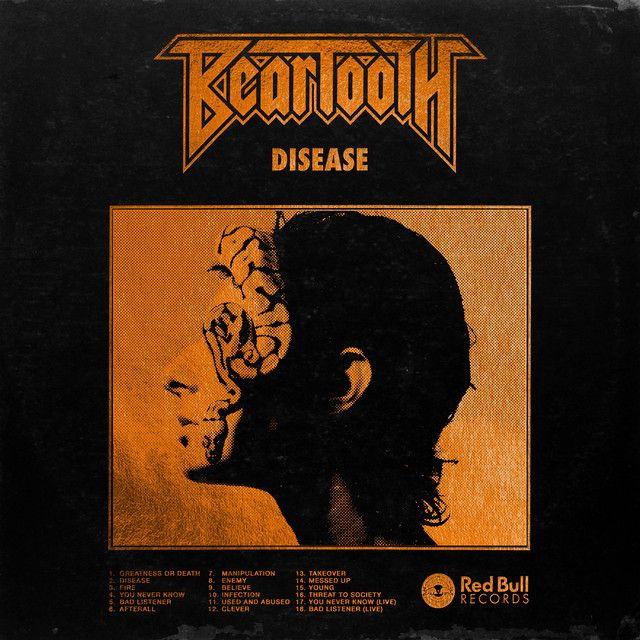
Shomo has often discussed mental health and honesty in his work, themes also tied to Beartooth’s album Disease. That context helps explain why “Messed Up” feels less like random rage and more like a testimony from someone trying to name what happened to them.
More Than an Insult Song
Some listeners may hear “Messed Up” as just a takedown track. That reading is understandable because the language is direct and severe. But the emotional center is not the insult. It is the injury.
The repeated attacks on the other person’s character work because they are linked to specific effects: confusion, buried secrets, lasting scars, and loneliness. The speaker is not simply venting. They are connecting cause and damage.
Interpretation: Another valid reading is that the song captures the moment when anger becomes part of healing. They are not healed yet, but they are finally refusing silence.
Why the Song Connects With Listeners
The meaning of Messed Up Beartooth resonates because it turns a common but hard-to-describe experience into simple language. Many people know what it feels like to be blamed for someone else’s unresolved pain. This song gives that feeling shape.
It also avoids pretending that recovery is neat. The speaker sounds hurt, furious, and clear-eyed all at once. That mix feels real, especially in a genre where emotional honesty matters as much as volume.
In the end, “Messed Up” is about surviving someone else’s damage and recognizing that harm leaves a record in the mind and body. That recognition is painful, but it is also a first step toward freedom.
Disclaimer: This interpretation is based on the released lyrics, Beartooth’s known artistic themes, and publicly available context. As with any song, listeners may hear meanings that differ from this reading.








