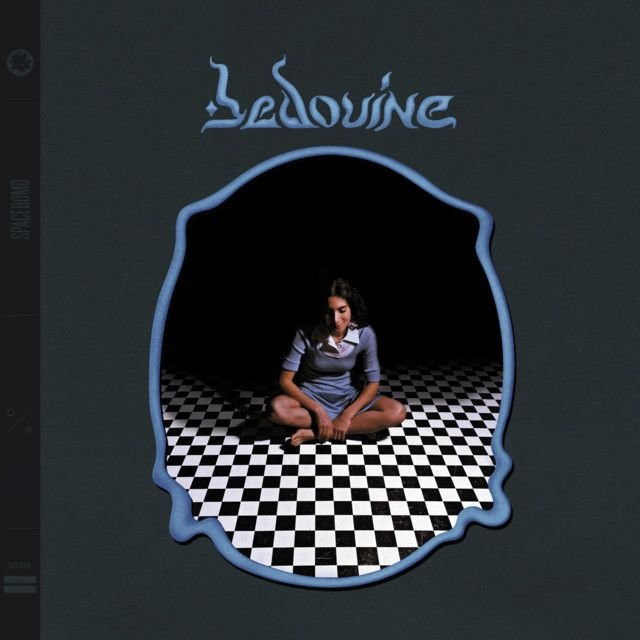
Nice And Quiet by Bedouine
Bedouine’s “Nice And Quiet” opens like a whisper, but its emotional stakes are much bigger than its soft sound suggests. For listeners searching for the meaning of Nice And Quiet Bedouine, the song reads as a tender but uneasy portrait of love, sacrifice, and the fear of becoming too small inside a relationship.
"Nice And Quiet" - Bedouine
The time that we make
And all the innocence
Loading lyrics...
Unable to load lyrics
We're unable to display the lyrics at this time. Please try again later.
Written by Azniv Korkejian and Gus Seyffert, the song appears on Bedouine’s 2017 self-titled debut, a spare folk record released by Spacebomb. In a FADER interview, Korkejian spoke about loving openness, calm, and understatement. That context matters here, because “Nice And Quiet” turns quietness into both a comfort and a warning.
A Love Song About Shrinking the Self
At its core, the song is about someone trying to stay close to another person without causing disruption. They want to be gentle, careful, and emotionally controlled. But the lyrics also suggest that this effort may come at a cost.
Very early on, the song frames intimacy as an exchange of innocence, time, and emotional energy. That idea makes the relationship feel mutual, but not necessarily balanced. When the singer admits they have tried hard to support someone, then hints that doing so may mean fading away, the song shifts from devotion to self-erasure.
Interpretation: The central tension is not whether they love this person. It is whether love is asking them to become quieter than they really are.

Watch the official Nice And Quiet
music video
When Quiet Sounds Caring but Feels Painful
The chorus carries the song’s emotional heart. The repeated wish to keep their head nice and quiet
sounds, on the surface, like a promise to stay calm. They do not want to escalate conflict, force answers, or make demands.
But the phrase also sounds like self-silencing. Instead of speaking openly, they try to suppress their thoughts. Instead of bringing their full self, they reduce their presence for someone else’s comfort.
That is why lines like I don’t want to run
matter so much. They show that the speaker is not detached. They want to stay. At the same time, they do not want to fight what they already know deep down. The struggle is internal as much as relational.
I don't want to run
I don't want to try to fight it
This brief moment captures the conflict clearly: they are resisting both escape and confrontation. They are caught in the middle, trying to endure the feeling quietly.
The Push and Pull Inside the Verses
The verses deepen the meaning by showing how fear shapes the relationship. The song mentions innocence, bitterness, and the things people try to erase. Those ideas suggest old wounds, emotional baggage, or habits of avoidance.
Later, the lyrics imply that the same reasons someone keeps them at a distance are also reasons to remain. That is one of the song’s most interesting turns. It suggests the singer sees another person’s fear and feels drawn closer by it rather than pushed away.
Interpretation: This can be read in two ways:
- They believe love means staying through another person’s damage.
- They may be rationalizing a painful dynamic because leaving would hurt more.
Either way, the song captures the logic of attachment with unusual honesty. It shows how people can mistake endurance for emotional clarity.
Who Is Speaking, and to Whom?
The narrative voice is first person, direct and intimate. The repeated address to for you
makes the song feel like a private vow spoken under the breath.
The “you” in the song remains undefined, which gives the writing flexibility. It could be a romantic partner, someone emotionally unavailable, or even a broader symbol for love itself. Because Bedouine leaves the details open, the song becomes easy to inhabit. Many listeners can hear their own history in it.
That openness fits Korkejian’s style. Her writing often favors plain language over dramatic exposition, which lets small phrases carry a lot of feeling.
How the Sound Deepens the Meaning
Part of the meaning of Nice And Quiet Bedouine comes from its arrangement. Bedouine’s debut album is known for its spare, analog-minded folk production, and this song uses that approach to great effect. The instrumentation feels light, unhurried, and uncluttered, leaving room for hesitation and thought.
Rather than building toward a huge emotional release, the song stays restrained. That choice mirrors the lyric’s emotional discipline. The singer is holding back, and the music does too.
Korkejian has cited classic songwriters and a love of understatement, and listeners can hear that here. The soft delivery does not weaken the message. It sharpens it. Because the performance stays controlled, every repeated thought feels more deliberate.
A Quiet Song With a Self-Reliance Theme
There is also a larger album context worth noting. In The FADER, “Nice And Quiet” is described as helping frame the debut’s broader interest in relationships and self-reliance. That makes the song more than a simple sad love ballad.
It becomes an opening statement about boundaries, even if those boundaries are still forming. The singer has not fully chosen themselves yet, but they are aware of the danger. When they say they find new ways to deny it
, they reveal a pattern of emotional avoidance. The song’s honesty lies in admitting that recognition does not always lead to action.
This is what makes the track so affecting. It is not a breakup anthem or a triumphant declaration of independence. It lives in the harder space before resolution, when someone can see the cost of love and still move softly toward it.
Why the Song Still Lingers
What makes “Nice And Quiet” memorable is its balance of warmth and unease. It sounds peaceful, but its meaning is unsettled. It offers care, but it also questions how much a person should surrender in order to stay close.
For anyone asking about the meaning of Nice And Quiet Bedouine, the best answer is this: it is a song about love expressed through restraint, and about the moment restraint starts to look like disappearance. Bedouine turns that emotional gray area into something intimate and clear.
That tension is exactly why the song lasts. It understands that sometimes the softest promises can carry the heaviest doubts.
Disclaimer: This interpretation is based on the released lyrics, credited writers, and publicly available artist commentary. As with any song, listeners may hear meanings that differ from this reading.








