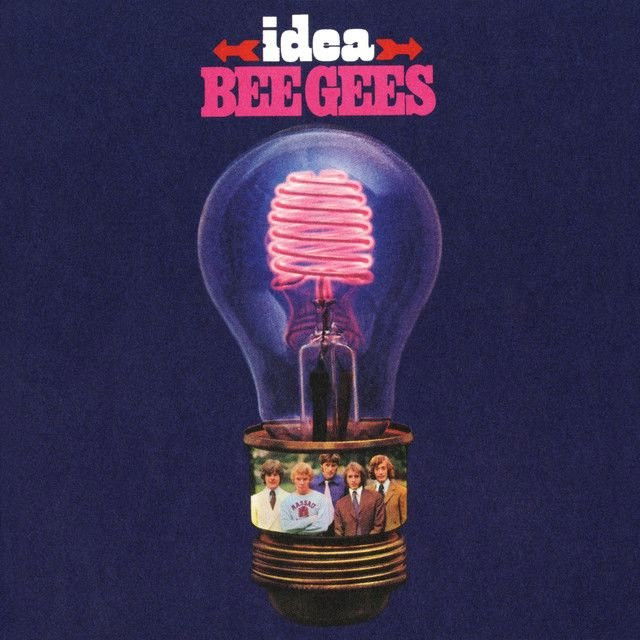
Why 'I Started a Joke' Still Hurts
The meaning of I Started a Joke Bee Gees often comes down to one powerful feeling: realizing too late that they have become the target of the very pain they helped create. The song sounds simple on the surface, but its emotional logic is slippery. That is why it has lasted.
"I Started a Joke" - Bee Gees
But I didn't see that the joke was on me oh no
I started to cry which started the whole world laughing
Loading lyrics...
Unable to load lyrics
We're unable to display the lyrics at this time. Please try again later.
Released on the Bee Gees' 1968 album Idea and issued as a U.S. single later that year, the track became one of the group's most haunting early hits, reaching No. 6 on the Billboard Hot 100 and topping charts in Canada, Australia, and New Zealand (Wikipedia; Songfacts). Its popularity makes sense: it turns personal embarrassment into something almost cosmic.
A Sad Song About Reversal
At its core, the song describes someone who says or does something that causes a chain reaction. The opening idea, summed up in I started a joke
, is not really about comedy. It is about a careless act, a misunderstanding, or a social mistake that spirals beyond control.
Then comes the emotional twist: the speaker learns the joke was on me
. In plain terms, they thought they had power, but they were actually exposed, mocked, or undone by their own actions. That reversal is the heart of the song.
Interpretation: Many listeners hear this as a portrait of alienation. The speaker feels cut off from other people and from their own intentions. What began as expression becomes self-destruction.
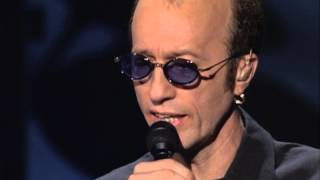
Watch the official I Started a Joke
music video
How the Lyrics Build Shame and Isolation
The song works because each image grows stranger and sadder. One of its most famous turns links grief and ridicule through the whole world crying
and later the whole world laughing
. The point is not literal world reaction. It is the speaker's feeling that their mistake has become public and inescapable.
That exaggerated scale matters. Shame often feels huge, even when the original event is small. The lyric captures that panic perfectly.
The later image about looking upward while covering the eyes suggests confusion, denial, and hurt. The speaker seems to search for meaning but cannot face what happened. Another line about being hurt by things that I said
makes the source of the pain clearer: words have consequences, and they cannot be taken back.
The Most Striking Line in the Song
The darkest moment comes near the end, when the lyric imagines a final disappearance followed by life continuing without the speaker:
'Till I finally died
the whole world living
This does not have to be read literally. In context, it can suggest social death, ego death, or the feeling of being erased while everyone else moves on. That is why the song feels so devastating. It presents humiliation as something bigger than embarrassment; it becomes a total collapse of self.
Interpretation: Some hear spiritual meaning here, even sacrifice or martyrdom. Others hear depression and isolation. The song supports both readings because it never explains itself too neatly.
Why the Bee Gees Kept It Mysterious
Part of the song's power comes from its openness. Robin Gibb later called it "a very spiritual song" and said listeners should interpret it for themselves, as summarized by Songfacts. Barry Gibb also reflected on the late-1960s mood by saying there was a lot of psychedelia, and people would find meaning even in lines that sounded strange (Wikipedia).
That context matters. This was an era when pop songs often leaned toward dream logic instead of direct storytelling. So the song's paradoxes were not mistakes. They were part of its design.
How the Sound Carries the Meaning
The arrangement helps explain why the song lingers. According to documented personnel, Robin Gibb sang lead, Maurice Gibb played mellotron, organ, piano, and bass, Vince Melouney added guitar, Colin Petersen played drums, and Bill Shepherd arranged the strings (Wikipedia). Produced by the Bee Gees with Robert Stigwood, the recording balances softness with unease.
Robin's lead vocal is crucial. He sings with a wounded, almost fragile tone that makes the words sound less theatrical and more private. The slow tempo, soft rock feel, and orchestral sweep widen the emotional frame, as if one person's regret is echoing across a large empty room.
The mellotron and strings add a cloudy, church-like atmosphere. That supports the spiritual readings people often bring to the song. Even if listeners do not hear religion in it, they can hear solemnity.
A Few Strong Readings of the Song
There is no single official answer, but three readings are especially persuasive:
- Personal shame: The speaker said something damaging and now lives with regret.
- Social alienation: The song dramatizes what it feels like to be misunderstood by everyone.
- Spiritual allegory: Its death-and-life imagery invites larger ideas about sacrifice, guilt, and redemption.
All three fit the lyrics because the writing stays abstract. As a contemporary Cash Box review noted, its paradoxical imagery gave it a mystical pull, a point preserved in reference sources including Wikipedia.
Why It Still Connects Today
The meaning of I Started a Joke Bee Gees remains compelling because the song understands a common fear: that one mistake can define how others see them. It turns that fear into poetry without pinning it to one event.
That is also why the track has inspired covers and later rediscovery across decades (Songfacts). Its sadness is broad enough for many listeners to enter.
In the end, the song is less about a joke than about painful self-recognition. They hear a person realizing, too late, that irony can wound more deeply than open cruelty.
Disclaimer: This article offers interpretation alongside verified historical facts. Because the Bee Gees left the lyric intentionally open, different listeners may reasonably hear different meanings in the song.








