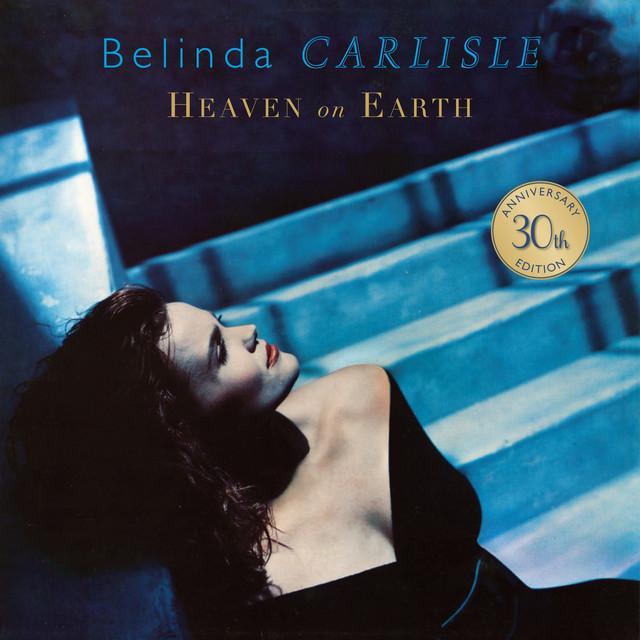
Why 'Love Never Dies' Still Hurts and Heals
The meaning of Love Never Dies Belinda Carlisle comes through in one simple idea: love can survive absence, time, and even emotional ruin. The song does not pretend pain goes away quickly. Instead, it sits inside longing and argues that a real bond keeps living long after daily life has changed.
"Love Never Dies" - Belinda Carlisle
It was winter and the sun was shining
Beyond the shadows I could see
Loading lyrics...
Unable to load lyrics
We're unable to display the lyrics at this time. Please try again later.
That emotional honesty fits Carlisle's broader career. She first became famous with The Go-Go's before building a solo catalog that often balances bright melody with deep feeling, a path outlined in recent coverage of her career and influences by American Songwriter (https://americansongwriter.com/belinda-carlisle-channels-nostalgia-harmony-and-heart-into-a-tribute-to-the-timeless-tunes-of-her-youth). They have said Carlisle works from the heart
, and this song feels built on exactly that instinct.
The Core Message Beneath the Sorrow
At its center, the song is about enduring attachment. The narrator is not just remembering someone; they are living inside the aftershock of losing them. The repeated claim Love never dies
is not a happy slogan. It sounds more like a hard-won truth spoken by someone who wishes they had already moved on.
That matters because the verses are full of exhaustion. A single day feels endless, old pictures have lost their brightness, and memory seems stronger than willpower. The song sets up a conflict between time passing and emotion refusing to fade.
Interpretation: The track suggests that love's survival is both beautiful and painful. It honors devotion, but it also shows how loyalty can trap someone in grief.

Watch the official Love Never Dies
music video
Winter as the Song's Emotional Weather
The strongest image in the lyric is winter. When the song mentions the color's fading
and the wind moving through the speaker's world, it paints loss as something physical. The season is not just background scenery. It becomes a symbol for numbness, loneliness, and a life drained of warmth.
Winter also helps explain the song's pacing. Everything feels slowed down. The narrator watches, remembers, and endures rather than acting. That stillness makes the pain feel old and settled, not dramatic or impulsive.
Time Passes, But Feeling Stays
One of the most striking details is the admission that three years
have passed and the heart is still hurting. That single fact changes the song. This is not a fresh breakup where emotions are at their peak. It is long-term grief.
Because of that, the title idea becomes more convincing. The singer has evidence from lived experience: seasons end, days end, but love remains.
A Quiet Story of Memory and Inability to Let Go
The narrative is simple but effective. It moves through a few clear stages:
- The speaker realizes how long and empty life feels.
- They look back at a photograph and old memories.
- They admit they cannot stop what they feel.
- They confess that even after years, the wound remains.
- They return to the chorus as a final belief.
This structure gives the song emotional force. Each verse adds proof for the chorus. When the narrator says they can't stop this feeling
, it shows that memory is not voluntary anymore. Love has become part of their inner climate.
Love never dies
Time moves on
but true love remains.
That short refrain captures the whole argument: life continues, yet deep feeling does not obey the clock.
How the Chorus Turns Pain Into a Belief
A weaker song might use this chorus as comfort alone. Here, it works differently. The chorus is both a statement of faith and a confession of defeat. If love never dies, then neither does the ache attached to it.
Interpretation: This double meaning is what makes the song resonate. Listeners can hear it as romantic, tragic, or both at once. Someone grieving a breakup may find themselves in it. So might someone mourning a death. The lyric leaves that door open.
How the Rock Sound Strengthens the Meaning
The song's rock identity is important. Rock gives the message backbone. Instead of floating away as a soft ballad, the emotion lands with weight and certainty.
Carlisle's voice has long worked well in that space between polish and urgency. According to American Songwriter, her musical roots stretch from California radio pop to punk and melodic classic songwriting (https://americansongwriter.com/belinda-carlisle-channels-nostalgia-harmony-and-heart-into-a-tribute-to-the-timeless-tunes-of-her-youth). That blend helps explain why a song like this can feel tender without becoming fragile.
Even without dense lyrical complexity, the arrangement likely does key emotional work: steady rhythm for endurance, strong melodic lift for memory, and a repeating chorus that sounds like a conviction the singer must keep telling themselves. The production supports the central theme by making permanence audible.
Why the Song Still Connects
Part of the meaning of Love Never Dies Belinda Carlisle is its refusal to solve grief neatly. Many songs promise closure. This one does not. It admits that some loves remain active inside a person, even when they no longer bring joy.
That honesty is probably why the song can feel healing. It tells listeners they are not broken if they still carry someone with them. Love may change shape, but it does not always disappear.
The Lasting Takeaway
The song presents love as something stronger than seasons and stronger than intention. The narrator wants relief, but what they have instead is proof that feeling can outlive circumstances.
Interpretation: In the end, the song is less about romance than memory, devotion, and the human inability to erase what once mattered most.
Disclaimer: This interpretation is based on the released lyrics, musical style, and available artist context. As with any song, listeners may hear meanings that differ from this reading.








