Waiting on an Angel by Ben Harper
Why This Quiet Song Hits So Hard
The meaning of Waiting on an Angel Ben Harper starts with a simple but heavy idea: a person is asking not to face the end of life alone. The song sounds gentle, but its center is serious. It speaks about comfort, death, hope, and the wish for a loving presence in a frightening moment.
"Waiting on an Angel" - Ben Harper
One to carry me home
Hope you come to see me soon
Loading lyrics...
Unable to load lyrics
We're unable to display the lyrics at this time. Please try again later.
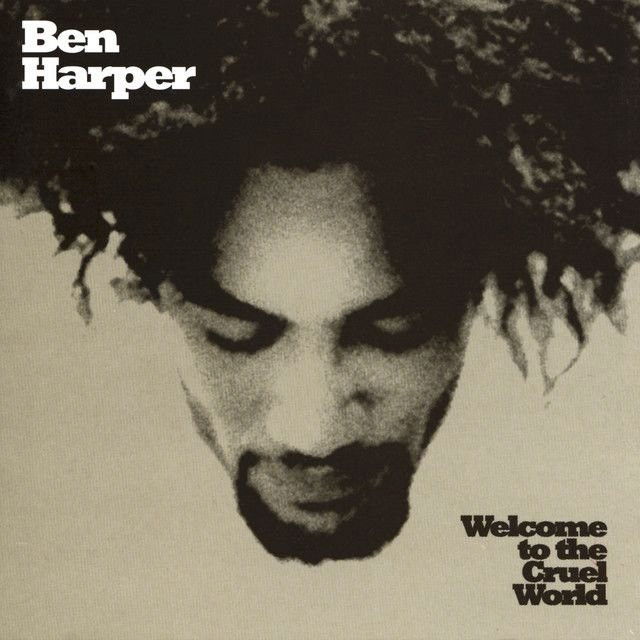
Ben Harper wrote the song himself, and it appeared on Welcome to the Cruel World, his 1994 debut album, a record that helped introduce his blend of folk, blues, and soul to a wider audience. That basic release information is documented by AllMusic and Discogs. The song’s stripped-down style matters because it keeps the listener close to the voice, where every word feels personal.

Watch the official Waiting on an Angel
music video
The Core Message Beneath the Prayer
At the heart of the song, the speaker waits for an “angel” who can guide them home. In plain terms, they long for peace and companionship at a moment of deep vulnerability. When the lyric says waiting on an angel
, it suggests more than fantasy. It feels like a prayer for rescue, rest, or spiritual passage.
Another key phrase is carry me home
. That image points to home not as a house, but as a place of final safety. The song never uses dense language, which is part of its power. It says something enormous in very plain words.
Interpretation: Many listeners hear the song as being about death, or at least about preparing for it. The repeated fear of not wanting to leave alone strongly supports that reading. But the song also leaves room for a broader meaning: the “angel” could be a loved one, a divine figure, or a symbol of emotional healing.
A Voice Caught Between Fear and Faith
The speaker is not angry or dramatic. They sound tired, hopeful, and honest. That balance shapes the entire song. They are scared, but they still believe help will come.
The line I don't want to go alone
is the emotional center. It strips away metaphor and says the real fear directly. This makes the song feel human before it feels religious. Even listeners who do not hear it as spiritual can recognize the need behind it.
There is also a plea for closeness in take my hand
. That image turns the song into something tactile and immediate. The speaker does not ask for glory or answers. They ask for presence.
The Angel as Symbol, Not Just a Figure
The angel works as the song’s main symbol. In religious language, angels are messengers, protectors, or guides. In emotional language, they can stand for anyone who arrives with grace when someone is suffering.
That is why the song’s most memorable turn may be its message about kindness to strangers. Harper broadens the theme beyond one private prayer and suggests that mercy can appear in ordinary human form.
speak kind to a stranger
knockin' at your door
These short lines push the song outward. The speaker is not only asking for comfort; they are reminding others to be compassionate because help may come through everyday people.
Interpretation: This is where the song becomes more than a personal meditation on death. It also becomes an ethical song about how people should treat each other. The “angel” may arrive as a stranger, and a stranger may need someone else to act like an angel.
How the Chorus Deepens the Meaning
The chorus returns to waiting, but it does not sound impatient. It sounds resigned and trusting. The phrase resting place
gives the song its clearest clue that the destination may be death, heaven, or some peaceful afterlife. Yet Harper sings it softly, not fearfully.
That matters. A harsher performance might have turned the song into despair. Instead, the chorus feels like surrender mixed with hope. They believe the wait will end and that they will be held in safety.
This repeated movement from fear to comfort is what makes the song so affecting. Each verse circles back to the same need, but with a little more acceptance each time.
Why the Sound Matters as Much as the Words
Part of the meaning of Waiting on an Angel Ben Harper comes from its production and arrangement. The song lives in a singer-songwriter setting, with a spare acoustic feel that keeps attention on Harper’s voice and phrasing. On Welcome to the Cruel World, that earthy, intimate approach is central to the album’s identity, as noted in coverage from AllMusic.
The performance avoids big drums or dramatic effects. That choice supports the lyric’s humility. Instead of sounding theatrical, the song feels like it is being sung in the same room as the listener.
Harper’s vocal delivery is especially important. They do not over-sing the lines. The restraint suggests acceptance, while the grain in the voice keeps the pain visible. That mix of softness and ache gives the song its lasting emotional pull.
Artist Context and Lasting Appeal
Harper often writes songs that connect the personal with the spiritual, and this track is a strong early example of that style. It fits with his broader reputation for blending introspection, social feeling, and roots-based music. Biographical overviews from Encyclopaedia Britannica and AllMusic support that larger context.
What keeps this song alive for listeners is its openness. It can meet someone in grief, in loneliness, in faith, or in simple exhaustion. The words are specific enough to hurt, but open enough to travel.
The Lasting Meaning of the Song
In the end, the meaning of Waiting on an Angel Ben Harper is about the hope that no one has to face life’s final threshold alone. It is a song about longing for grace, but also about recognizing grace in other people.
That is why the song feels both private and generous. It begins as a plea and ends as a lesson in compassion.
Disclaimer: This interpretation is based on the released lyrics, recording, and publicly available artist context. As with any song, listeners may find meanings that differ from this reading.







