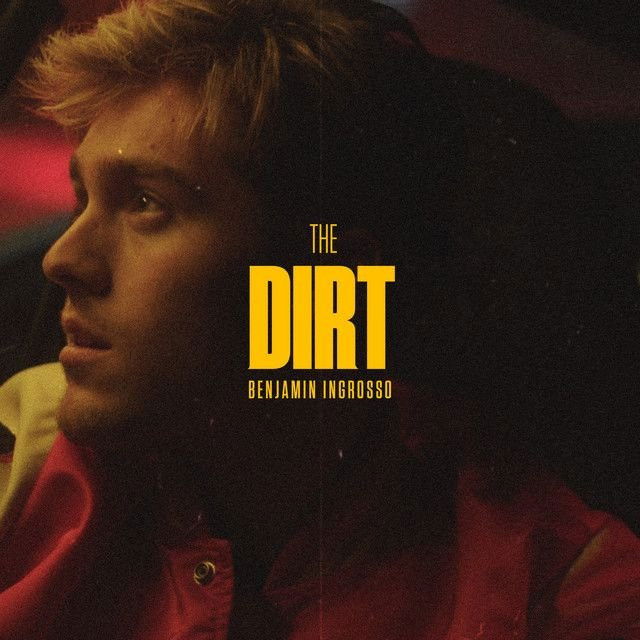
Why 'The Dirt' Feels Like a Life on Repeat
The meaning of The Dirt Benjamin Ingrosso comes through as a story about trying to rise above a brutal past and feeling dragged back down anyway. It is a song about survival, shame, family pressure, and the fear that success may never fully erase where someone came from.
"The Dirt" - Benjamin Ingrosso
Running from the police
Hanging with the homies
Loading lyrics...
Unable to load lyrics
We're unable to display the lyrics at this time. Please try again later.
Benjamin Ingrosso wrote the song himself, according to the information provided here. That matters, because the lyrics feel shaped as a tight character portrait rather than a vague pop confession. Even without extra public commentary, the writing gives listeners a clear arc: a teen caught in crime, a parent trying to warn him, and an adult still wrestling with the same gravity.
A Story of Escape That Never Fully Ends
At the start, the narrator looks backward at a dangerous youth. They describe being called a criminal
, running from police, and carrying both fear and false confidence. The details are harsh, but the point is not to glamorize them. The song frames that life as unstable and deeply risky.
The key emotional turn comes from the mother’s warning. Her voice tells the narrator to change before the system or the street destroys him. When she says he could end up like his father, the song ties personal choices to family cycles. That makes the stakes bigger than one bad season.
Interpretation: this is not only about crime. It is about inheritance. The narrator fears repeating a pattern that may have shaped his whole family.

Watch the official The Dirt
music video
The Chorus Turns Success Into Something Fragile
The chorus explains why the song hits so hard. The narrator says, Lord knows I try so hard
and I've come so far
, but every moment of lift feels temporary. The line about touching the stars suggests brief success or hope. Then reality hits again.
That is where the title image matters most. The phrase diggin in the dirt
sounds physical, but it also works as a symbol. Dirt can mean poverty, damage, humiliation, or the messy ground someone cannot seem to leave behind.
Instead of a clean redemption song, this chorus shows a repeating loop:
- They struggle upward.
- They glimpse a better life.
- Something knocks them back.
- They start over in the dirt.
That loop is the heart of the meaning of The Dirt Benjamin Ingrosso.
From Teenage Survival to Adult Responsibility
The second verse shifts the timeline forward. The narrator says reaching adulthood feels almost miraculous. That choice of language is important: staying alive is presented as an achievement in itself.
Then the song raises the pressure. This is no longer just about one person escaping trouble. Now there is a partner, a son, and a daughter on the way. The mother’s advice changes too. She no longer speaks only about danger; she speaks about duty.
I'm alive and breathing
There's gotta be a reason
That brief moment sounds like gratitude, but it is not peaceful. It pushes the narrator to move faster, make money, and find any workable path. The mention of a scheme, whether dirty or a clean
, shows the conflict clearly: they want to do better, but desperation still bends their moral line.
Family Is the Song’s Moral Center
The strongest voice in the song may not be the narrator’s. It may be the mother’s. She functions like conscience, memory, and warning all at once.
Her lines connect three generations:
- the father as a cautionary example
- the son as someone at risk of repeating history
- the narrator’s own children as a reason to break it
This structure gives the song depth. It is not simply “street past versus bright future.” It is about whether love and responsibility are enough to interrupt generational damage.
Interpretation: the mother may also represent inner wisdom. Even when she is quoted directly, she sounds like the truth the narrator cannot escape.
How the Writing Uses Simple Images Well
The song is easy to follow, which helps its emotional impact. It uses plain language: police, streets, jail, stars, dirt. Those are familiar images, but they are arranged with care.
The stars-and-dirt contrast is especially effective. Stars suggest distance, ambition, and near-transcendence. Dirt is low, immediate, and inescapably real. The jump between them captures what unstable progress feels like.
There is also a tension between movement and stuckness. The narrator is always running, trying, pacing, making plans. Yet emotionally, they remain trapped in the same cycle. That contradiction gives the song its ache.
The Sound They Likely Need
Without verified production credits in the material provided, it is safest to separate fact from inference. Interpretation: the lyric structure points toward a dramatic pop or soul-leaning arrangement, one that builds around the chorus rather than around complex wordplay.
A song like this works best if the production mirrors the rise-and-fall theme. Strong drums or a steady pulse can suggest determination. A lifted chorus melody can create the feeling of touching the stars. Then a heavier return to the hook can make the fall back to earth feel unavoidable.
That contrast between lift and weight is what the lyric already does on the page.
The Big Takeaway Behind the Dirt
At its core, The Dirt is about how hard it is to outrun origin, habit, and family history. It respects effort, but it does not pretend effort alone solves everything.
That is why the song feels sad and resilient at the same time. The narrator is still fighting. They are still failing in some ways too. The honesty lies in admitting both.
For many listeners, the meaning of The Dirt Benjamin Ingrosso will land as a song about breaking cycles and learning that progress is rarely clean. Sometimes growth looks less like escape and more like getting back up with dirt still on your hands.
Disclaimer: This interpretation is based on the lyrics provided and publicly available song information. Meaning in music can vary from listener to listener unless the artist has confirmed a single intent.









