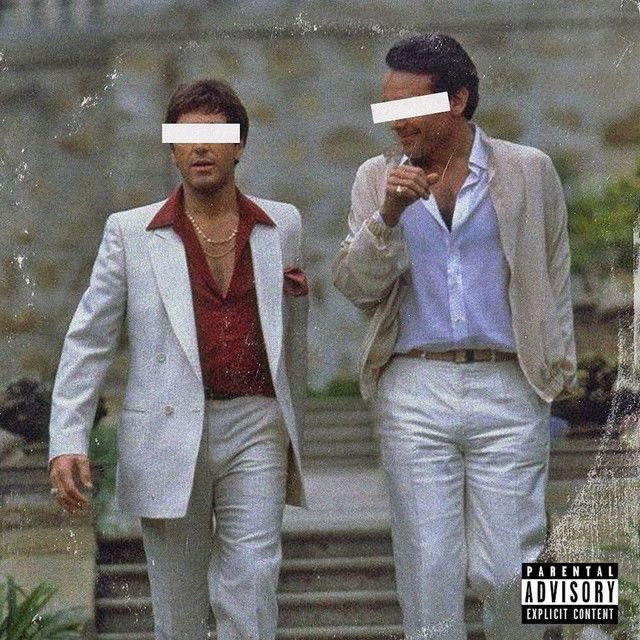
What "5 to 50" Says About Benny's Rise
The meaning of 5 to 50 Benny The Butcher, INDIA starts with tension: this is a victory story told by someone who still remembers the knock at the door. Benny The Butcher does not frame success as clean or simple. Instead, they build the song around memory, danger, and hard-earned legitimacy.
"5 to 50" - Benny The Butcher ft. INDIA
Is connected to Buffalo's Black Soprano gang
Other members are awaiting sentencing
Loading lyrics...
Unable to load lyrics
We're unable to display the lyrics at this time. Please try again later.
Benny, born Jeremie Pennick, is a Buffalo rapper known for gritty East Coast storytelling and for helping Griselda bring back a cold, 1990s-style rap sound. Their career arc—from street tapes to major critical praise—is well documented, especially after Tana Talk 3 and The Plugs I Met Wikipedia. That context matters here, because “5 to 50” sounds like a summary of their whole persona: the hustler, the survivor, and now the businessman.
A Street Memoir, Not Just a Flex
At its core, the song is about turning trauma into testimony. Benny describes drug dealing in practical, unsentimental detail, but the point is not shock value. The details show how deeply survival shaped their thinking.
When they say sellin' dreams to sleepers
, the line does two things at once. It boasts about skill, but it also exposes the false promises inside the drug economy. People are buying hope, escape, or status, and everyone involved is trapped in that cycle.
That is why the song feels heavier than a normal success rap. Even when Benny talks about bank statements, jewelry, and legal money, the older life never disappears. The past keeps interrupting the present.
Watch the official 5 to 50
music video
The Story Moves in Three Sharp Scenes
Scene One: The Hustle Years
The opening verse places Benny in a world of shortages, travel, and calculation. They describe a grind where every trip, every amount, and every mistake matters. Small quantities becoming bigger ones suggests the title’s logic: growth through risk.
Interpretation: “5 to 50” may point to expansion—taking a little and making a lot—but the song shows that multiplication applies to danger too. More money means more attention, more enemies, and more legal exposure.
Scene Two: Fear Comes Home
The middle of the song gets more personal. Benny recalls family warnings, federal cases, and the way real investigations change behavior. A line like playin' it safe
lands hard because it comes after so much earlier bravado. They are not pretending the system is distant. It is right outside the house.
One of the strongest storytelling choices is the spoken section from a woman describing police at the door. That moment shifts the song from legend to lived experience:
“Bae, it's the police”
“I swear my heart dropped”
This is the article’s only multi-line quote, and it matters because it humanizes the whole record. The fear is not abstract. It enters the home and hits the people around them.
Scene Three: Legal Success, Lingering Memory
By the final section, Benny has crossed into legitimate business. They mention legal money
and present-day stability, but the memories still flicker while driving, thinking, and adding up the past. The ending spoken words make the point clearly: life is better now, yet it took real danger to get there.
How the Lyrics Connect to Bigger Themes
Several themes run through the track:
- Survival: The song keeps returning to what it took to endure.
- Transformation: Benny moves from street economy to legal income.
- Memory: Past scenes replay even after success arrives.
- Reputation: Their status is built on what they lived, not just what they rap.
A phrase like ran off the deep end
suggests reckless immersion, but it also hints at a point of no return. Benny presents the street life as something they entered fully, with consequences that still echo.
Another key line, put myself on
, gives the song its backbone. It is the clearest self-made statement in the track. Still, Benny balances that pride with pressure, guilt, and danger, which keeps the song from sounding one-note.
Why the Spoken Voices Matter So Much
The skits are essential to the meaning of “5 to 50.” They bring in law enforcement, family memory, and domestic fear. That wider cast turns the song into a layered narrative.
Instead of hearing only Benny’s voice, listeners hear how others saw them: as feared, watched, and at risk. That adds accountability. It reminds the audience that street mythology always affects real families.
The Production Keeps It Cold and Clear
Even without flashy production details in the provided credits, the track’s likely power comes from restraint. Benny’s best records often thrive on sparse, grim beats that leave room for vivid writing, a style tied to Griselda’s rise and praised by critics covering projects like Tana Talk 3 Wikipedia.
That matters for interpretation. A cleaner, louder beat might have pushed “5 to 50” toward pure celebration. A colder beat makes every line feel like evidence. It supports the song’s memoir quality.
Artist Context Changes the Reading
Benny’s background gives the song extra weight. They were raised in Buffalo, became known for drug-rap realism, and later built a respected rap career through Griselda and related projects Wikipedia. The listed writers here are Alan Maman and Jeremie Pennick, including Jeremie Scorpio Pennick in the provided credits.
That history makes “5 to 50” sound less like invention and more like self-curated testimony. Listeners do not have to take every bar as documentary fact, but the song clearly wants to feel lived-in.
Final Take on the Meaning
The meaning of 5 to 50 Benny The Butcher, INDIA is not just about getting rich. It is about how a person carries the habits, fear, and math of survival into a new life. Benny frames success as real, but never fully separate from the risks that built it.
Interpretation: The song’s deepest message may be that escape is never total. They can leave the door-kicks behind, but the memory of them still rides along.
Disclaimer: This interpretation is based on the lyrics provided, artist context, and publicly available background. Song meaning can remain open to multiple valid readings.









