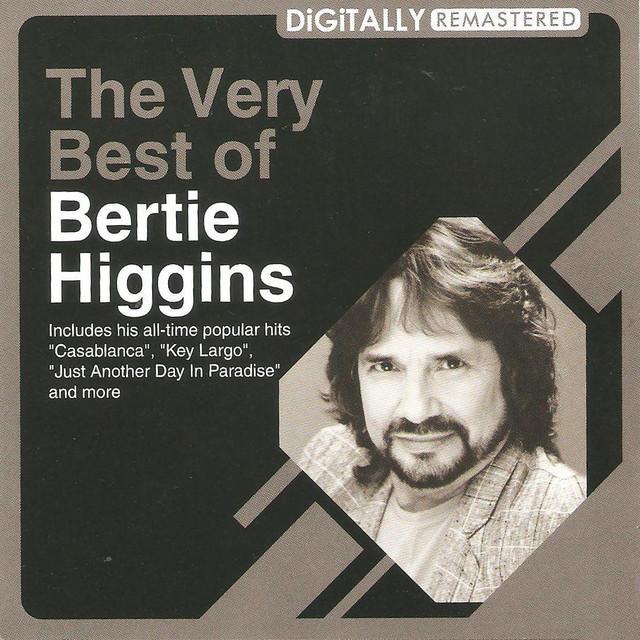
Why "Casablanca" Turns Movie Love Into Heartbreak
The meaning of Casablanca Bertie Higgins comes down to one powerful idea: sometimes people fall in love not only with each other, but with the story they think they are living. Bertie Higgins turns that feeling into a soft-rock ballad where a real relationship is remembered through the glow of a classic film.
"Casablanca" - Bertie Higgins
Back row of the drive-in show in the flickering light
Popcorn and cokes beneath the stars
Loading lyrics...
Unable to load lyrics
We're unable to display the lyrics at this time. Please try again later.
The song is not really about the city of Casablanca. It is about memory, fantasy, and loss. The narrator looks back on a romance that once felt cinematic, then admits that real life did not give them a movie ending.
A Love Story Projected on a Screen
At the start, the song places the couple at a drive-in, watching the 1942 film Casablanca. From there, ordinary details become grand and romantic. Snacks and a parked car start to feel luxurious, almost unreal. That shift is the point: the relationship was transformed by imagination.
When Higgins mentions watching Casablanca
, he is not just naming a movie. He is showing how art can color emotion. The couple is no longer simply sitting together; they are stepping into a fantasy of old-Hollywood passion, elegance, and danger.
That makes the later heartbreak stronger. If love began in a dream, losing it feels like waking up.
Watch the official Casablanca
music video
How the Film Mirrors the Relationship
The song borrows the mood of the famous movie without retelling its plot in detail. The references to Rick's cafe, spies, and candlelight suggest a world of secrecy and longing. Higgins uses that world as emotional shorthand.
One key line is in Rick's candle lit cafe
. In plain terms, the narrator imagines their romance inside the movie's most iconic setting. The relationship becomes part memory, part performance. They are not just lovers; they are lovers acting inside a legend.
Another revealing phrase is Moroccan moonlight in your eyes
. That image is less about geography than feeling. It gives the loved person an exotic, distant glow, as if the narrator cannot separate who they were from the fantasy built around them.
The Chorus Says Fantasy Cannot Replace Presence
The chorus carries the emotional weight of the song. Higgins echoes the film's best-known romantic language, especially a kiss is still a kiss
and as time goes by
. He uses those familiar ideas to make a new point: movie romance only matters if the real person is still there.
This is why the chorus hurts. The song suggests that symbols of love mean very little without shared life behind them. A famous kiss, a beloved film, and a treasured memory cannot solve absence.
Interpretation: The repeated plea to return shows the narrator is trapped between past and present. They keep replaying the relationship like a favorite scene, hoping memory can become reality again.
The Smart Twist in the Third Verse
One of the song's best lines is the admission that the narrator has never actually visited Casablanca. That small confession changes everything. It reveals that the place is almost entirely imagined.
This matters because it keeps the song grounded. Higgins is not claiming epic experience. Instead, he shows how people use pop culture to understand their own lives. They borrow a movie's beauty and sadness to explain something personal.
The line about the romance never appearing on the silver screen
deepens that idea. Their love was not glamorous in any public sense. It was private, fragile, and ordinary. Yet the pain was just as real when it ended.
Bertie Higgins and His Movie-Romance Style
Bertie Higgins was part of the early-1980s soft-rock and adult-contemporary world, and he became best known for film-themed romance songs. According to widely available biographical summaries, he broke through with "Key Largo," another hit built around classic-screen mythology, and his 1982 album Just Another Day in Paradise reached the U.S. charts. "Casablanca" did not match that U.S. impact, but it became especially popular in parts of the Pacific Rim. That career pattern helps explain the song: Higgins had a clear gift for blending old cinema, nostalgia, and radio-friendly melody.
The credited writers are Bertie Higgins, John Healy, and Sonny Limbo. Their writing keeps the language simple, which is part of the song's strength. The images are easy to picture, and the emotion is direct.
Why the Sound Fits the Story
Musically, "Casablanca" sits in a gentle rock and adult-contemporary lane. The tempo is calm, the melody is smooth, and the arrangement leaves room for the words. Instead of sounding dramatic in a hard-edged way, it feels wistful.
That softness matters. A louder or rougher production might have pushed the song toward melodrama. Here, the polished sound supports nostalgia. It feels like a memory replaying late at night.
Interpretation: The sweetness of the music may be intentional contrast. The arrangement sounds comforting, while the lyrics describe emotional distance. That tension mirrors the song's core idea: beautiful memories can still hurt.
Why the Song Still Connects
The meaning of Casablanca Bertie Higgins still resonates because many listeners know what it is like to remember a relationship through places, songs, or movies. The details become containers for emotion.
Higgins captures that with unusual clarity. This is not just a breakup song. It is a song about how people turn love into story, then suffer when story and life no longer match.
Final Frame: Romance, Memory, and Make-Believe
In the end, "Casablanca" says that love can feel larger than life when two people share the same dream. But dreams do not guarantee permanence. The song honors the beauty of that illusion while mourning what was lost.
That mix of tenderness and sadness is why it lasts.
Disclaimer: This article offers a good-faith interpretation of the song based on its lyrics, style, and public artist context. Meaning can vary from listener to listener.







