Why “Lentement” Turns Memory Into Debris
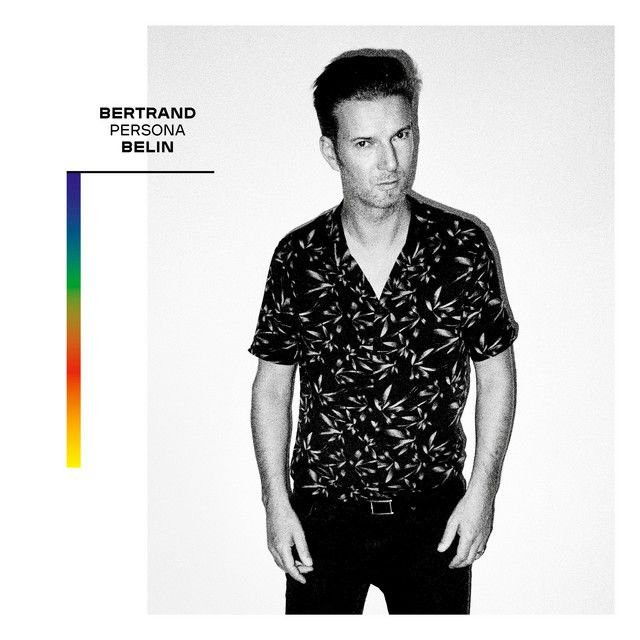
The meaning of Lentement Bertrand Belin, Barbara Carlotti begins with a paradox: the song sounds gentle, but its imagery is messy, sharp, and often strange. Instead of telling one neat story, it piles up objects, news flashes, private jokes, and bodily details. That clutter matters. The song suggests that memory does not fade in order. It breaks apart into fragments, then drifts away slowly.
"Lentement" - Bertrand Belin ft. Barbara Carlotti
Bouteille, sous, bibelot de Lourdes
Marée haute, arithmétique
Loading lyrics...
Unable to load lyrics
We're unable to display the lyrics at this time. Please try again later.
Bertrand Belin is widely known in French music for dry humor, poetic writing, and a calm vocal style that can make surreal lines feel oddly intimate. Barbara Carlotti brings another texture: elegance, warmth, and a sense of distance that suits a song about things slipping away. Together, they make “Lentement” feel less like a plot and more like a shared mental scrapbook.
A Song About Time, but Not in a Straight Line
At the center of the song is one repeated thought: Tout s'efface lentement
. In English, that means everything disappears slowly. The phrase is plain, but the verses around it are not. They jump from religious trinkets to war imagery, from a burning cathedral to gossip, animals, tabloids, and domestic memories.
That contrast is the key to the song’s meaning. The verses show life as overload. The refrain steps back and says: all of this, no matter how vivid, will fade. Another short line, Le temps est si doux
, softens the blow. Time is not only destructive here. It is also tender, almost comforting.
Interpretation: the song is not just mourning loss. It is accepting that erosion is part of living, and maybe even part of loving.

Watch the official Lentement
music video
The Strange Catalogs Are the Point
Several passages work like lists with no obvious hierarchy. One item is sacred, the next comic, the next violent, the next trivial. That design can feel random at first. It is better understood as memory logic.
People rarely remember life in polished speeches. They remember smells, headlines, odd objects, embarrassments, half-jokes, and the atmosphere of a place. “Lentement” mimics that process. It moves like a mind rummaging through old drawers.
A recurring scene near the stadium gives the song one of its few stable anchors, especially with the phrase derrière le stade
. That memory feels ritualistic and slightly mysterious, as if one private act has stayed vivid while everything else around it blurs.
Violence, History, and Everyday Life Share the Same Space
One reason the song lingers is that it refuses to separate public disaster from ordinary living. A major historical image sits next to a casual dessert in front of the TV. A punch, a smell, a newspaper, and household chatter all belong to the same stream.
This blending matters because it shows how people actually live through history. They do not pause existence every time the world produces another shocking image. They keep eating, talking, working, and carrying old stories. In that sense, the song is not cold. It is realistic.
When the lyric compares endings to something Blanc comme un os
, the image is stark. Bone suggests what remains after life, color, and flesh are gone. Yet the line is delivered inside a song that never sounds panicked. That calm delivery makes the image more powerful.
A Duet of Shared Memory
Even though Belin’s writing is distinctive, Barbara Carlotti’s presence changes the emotional frame. The song can feel like two people standing inside the same fading world. Not every image needs to belong to one speaker. The duet quality allows the song to sound communal, as if memory itself is shared.
That matters in the final movement, where the song reaches for contact. The phrase Donne-moi ta main
shifts the mood. After so much scattered debris, they arrive at a simple gesture: take a hand, go downstairs, smell jasmine, stay in the moment.
Interpretation: this ending suggests that when memory fails and history overwhelms, sensory closeness becomes the answer. They cannot stop time, but they can still feel air, scent, and touch.
How the Sound Supports the Meaning
The production helps explain why the song feels dreamlike instead of chaotic. Rather than pushing the words with dramatic force, the arrangement gives them room. The tempo feels measured. The vocals are restrained. That restraint matches the title, which means “slowly.”
A song with these lyrics could have been made jagged or frantic. Instead, it is carried by patience. That choice turns collage into reflection. The music does not compete with the images; it lets them pass by like scenes from a train window.
For listeners in the United States, where French chanson can sometimes be heard as overly literary, “Lentement” offers a useful reminder: literary songs can still feel physical. This one is full of mouths, smoke, weather, gardens, newspapers, and jasmine. It lives in the body even when it talks about disappearance.
So What Is “Lentement” Really Saying?
The best answer is that the meaning of Lentement Bertrand Belin, Barbara Carlotti lies in its balance between debris and tenderness. Life becomes scraps. History becomes trivia. Private memory becomes odd little relics. And still, something gentle survives.
The song does not argue that everything is meaningful. It argues that meaning may come from how these fragments sit beside each other before they vanish. In that way, “Lentement” is about mortality, but it is also about affection, attention, and the soft dignity of ordinary moments.
Final Take
“Lentement” turns scattered images into a meditation on fading. Its refrain gives the song its truth, while its details give it texture. They make disappearance feel human rather than abstract.
Disclaimer: This interpretation is based on the lyrics provided and general artistic context. As with any poetic song, different listeners may hear different meanings.







