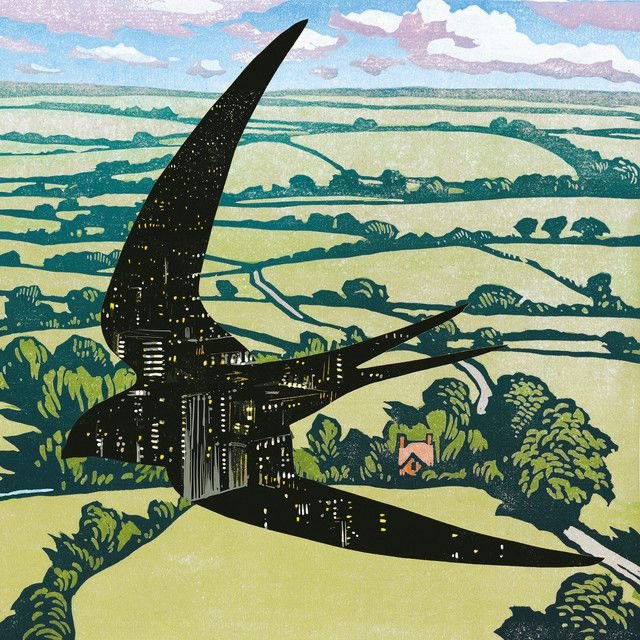
Oakmoss by Bibio
A tiny song with very few words, "Oakmoss" says a surprising amount about tenderness, isolation, and the hope that closeness can still happen.
"Oakmoss" - Bibio
Provided by LyricFindWhen I'm strong, we'll get along
Why you so lonely, boy?
When I'm strong, we'll get alongLoading...Loading lyrics...
Unable to load lyrics
We're unable to display the lyrics at this time. Please try again later.
Why the meaning of Oakmoss Bibio feels bigger than its lyrics
The meaning of Oakmoss Bibio comes from repetition, tone, and texture more than from a detailed story. The lyric is extremely short, but that is part of the point. Instead of telling listeners exactly what happened, Bibio builds a mood where reassurance and sadness sit side by side.
On the surface, the song offers comfort. The repeated promise, When I'm strong
, suggests that connection is possible once the speaker has enough steadiness to give. Right next to that, though, comes the question Why you so lonely, boy?
, which introduces hurt, distance, and maybe even confusion.
Interpretation: the song seems less interested in solving loneliness than in circling around it. Its power comes from how those two ideas—strength and loneliness—keep leaning on each other.
Watch the official Oakmoss
music video
A small scene of care, doubt, and emotional timing
There is no full narrative here, but there is a clear emotional setup. One voice appears to address another person directly. They are not angry or dramatic. They sound gentle, maybe concerned, but also unsure about whether closeness can happen right now.
The line built around we'll get along
matters because it is not a declaration of perfect love. It is modest. It suggests harmony, peace, and the hope of simple human ease. That makes the song feel intimate and humble.
At the same time, the repeated address lonely, boy
can be heard in two ways. It might be affectionate, as if one person is trying to reach someone who has withdrawn. Or it might carry a little distance, with the speaker observing sadness they cannot fully fix.
Interpretation: the emotional tension may be about timing. The promise is conditional. The speaker does not say everything is fine now; they say it may be fine when strength arrives.
The chorus works like a looped thought
Because the lyric repeats with very little change, the song behaves like a recurring thought rather than a conversation that moves forward. That loop matters.
Instead of adding new plot details, Bibio keeps returning to the same plea and the same question. This makes the track feel like a moment of reflection caught in place, almost like a memory or a private worry that cannot quite settle.
That structure also fits Bibio's own comments about the song. In a PopMatters interview, Stephen Wilkinson said tracks like "Oakmoss" were influenced by simple fiddle tunes and that the vocal part acts like an instrument. He also said the lyrics are few and ambiguous. That is a key factual guide: the words are not meant to function like a dense confessional diary.
How Bibio's folk design shapes the meaning
"Oakmoss" appears on Sleep on the Wing, released on June 12, 2020, as a companion EP to Ribbons rather than a full album, according to Bibio's comments and release information summarized by PopMatters and Wikipedia. The EP contains ten tracks, but only two feature lyrics, which makes "Oakmoss" stand out.
That context helps explain the song's shape. Bibio performed all instruments on the EP, and the project was recorded in 2019 at his countryside home in the English Midlands, with acoustic layering and field-recording details noted in Wikipedia's overview. The setting matters because Bibio's work often turns rural atmosphere into emotional language.
In the same PopMatters interview, Wilkinson connected his countryside focus to longing. That word is useful for "Oakmoss." The song does not just sound pastoral for decoration. Its earthy, handmade feel gives loneliness a physical setting, like a quiet outdoor space where thoughts echo.
The sound says what the words only hint at
The production is one reason the meaning of Oakmoss Bibio feels richer than the text alone. The tune has a circular, folk-like motion, and the vocal sits inside the arrangement instead of dominating it. That supports Bibio's idea that the voice works like a melodic pattern, not only a message-delivery system.
The result is soft but not empty. Repetition becomes emotional pressure. The sweetness of the melody makes the question about loneliness feel more vulnerable, not less.
Interpretation: listeners can hear the song as a portrait of fragile care. The speaker may want to help someone else, but the phrase When I'm strong
implies they are not fully secure either. That detail opens a second reading: perhaps both people are struggling, and the promise of harmony is a wish they are trying to believe.
Two strong ways to read "Oakmoss"
Reading one: a gentle message to a lonely other
In this version, one person notices another person's sadness and tries to offer comfort. The repeated lines become a simple, almost childlike form of reassurance.
Reading two: an inner split within one mind
The song can also sound like self-talk. The speaker could be addressing their own isolation, separating the self into the one who asks and the one who promises. That would explain why the lyric feels so circular and unresolved.
Neither reading cancels the other out. The song is built to stay open.
Why the song lingers
"Oakmoss" lasts only 3:41, according to the track listing for Sleep on the Wing, yet it leaves a deep impression because it trusts tone over explanation. Bibio takes a tiny cluster of words and lets melody, repetition, and rustic texture expand them.
That is why the meaning of Oakmoss Bibio is best understood as an emotional sketch: a brief meditation on loneliness, readiness, and the hope that two people—or two parts of one person—might still meet in a calmer place.
Disclaimer: This interpretation is based on the released recording, available background on Bibio's process, and reasonable critical reading. As with many minimal songs, other interpretations are possible.