Why “Boom Boom” Still Hits So Hard
The meaning of Boom Boom Big Head Todd and The Monsters starts with a simple truth: this is a song about instant attraction. It is playful, physical, and built around the thrill of being knocked off balance by another person’s presence. In Big Head Todd and The Monsters’ version, that feeling lands with extra force because they connect modern blues-rock energy to a classic blues song.
"Boom Boom" - Big Head Todd and The Monsters
I'm gonna shoot you right down,
Right offa your feet
Loading lyrics...
Unable to load lyrics
We're unable to display the lyrics at this time. Please try again later.
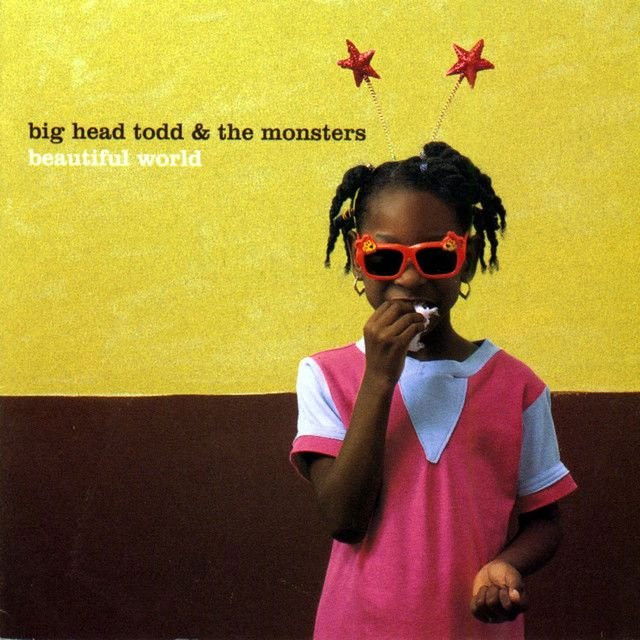
This matters because their recording is not an original Big Head Todd composition. It is a version of John Lee Hooker’s well-known song, and Hooker himself appeared on the band’s 1997 album Beautiful World. According to the band history summarized on Wikipedia, Hooker was recording in the same studio and joined them on the track. That context changes how listeners hear it: not as a novelty cover, but as a live link between blues tradition and 1990s rock radio.
A Love Song Powered by Swagger
At its core, the song is very direct. The narrator sees someone move, hears them speak, and feels overwhelmed. The repeated hook boom boom boom boom
works like a sound effect for desire. It suggests a pounding pulse, a dramatic entrance, and the shock of chemistry all at once.
The lyrics stay focused on body language and voice. Phrases like see you strut
and talk that talk
show that attraction here is not based on deep backstory or romance in the long term. It is about style, confidence, and the electricity of the moment.
Interpretation: The song is less about love as commitment and more about seduction as performance. They present desire as something sparked by movement, rhythm, and attitude.

Watch the official Boom Boom
music video
The Speaker’s Point of View
The narrator speaks in first person, but the emotional world is very easy to follow. He is not hiding his reaction. He says this person can knock him offa your feet
and later knocks me out
, which frames attraction as a force he cannot control.
That exaggeration is part of the blues tradition. Many blues and early rock songs use bold, oversized language to make basic feelings sound huge. Here, the speaker is not trying to analyze himself. He is celebrating the rush.
What He Notices Most
Three details drive the song forward:
- the way the woman walks
- the way she talks
- the way those two things affect him
That is why the lyrics feel circular in a good way. They do not tell a long story with twists. Instead, they return again and again to the same magnetic details, as if the speaker is stuck in a loop of fascination.
How the Hook Connects to the Theme
The chorus is memorable because it compresses the whole song into sound. Before any deeper interpretation, boom boom
is catchy and physical. It feels like footsteps, a heartbeat, or a knock at the door.
When she walk that walk,and talk that talk,and whisper in my ear
This brief passage shows the song’s full design. Movement leads to speech, speech leads to intimacy, and intimacy leads to emotional impact. The narrator is not drawn in by one thing alone. He is captivated by the total effect of presence, sound, and closeness.
Interpretation: The refrain turns desire into rhythm. The song does not just describe attraction; it makes attraction feel repetitive and bodily.
Why Big Head Todd’s Version Works
Big Head Todd and The Monsters built their name on bluesy alternative rock and a strong live following before their 1993 breakthrough with Sister Sweetly. By the time Beautiful World arrived in 1997, they already had a reputation for blending rock drive with roots influences. Their take on “Boom Boom” fits that identity perfectly.
The band’s arrangement gives the song muscle without losing its looseness. The guitar tone is punchy and warm, the rhythm section keeps things moving, and the performance leaves enough space for groove. That matters because this song depends on feel more than lyrical complexity.
Hooker’s presence also adds authority. His style was built on repetition, swing, and vocal command. When Big Head Todd meet that style with fuller 1990s band power, the result feels both classic and current.
Sound as Meaning
Production helps explain the meaning of Boom Boom Big Head Todd and The Monsters just as much as the words do. The song is not delicate. It moves with a steady pulse and leans into blues-rock weight. That sonic choice matches the lyric idea of being hit by attraction.
A few musical features stand out:
- Repetition: mirrors obsession and fixation.
- Strong backbeat: makes desire feel physical.
- Gritty vocals and guitar: add swagger instead of tenderness.
- Call-and-response energy: keeps the song social, almost like a club performance.
That last point is important. “Boom Boom” feels public, not private. It sounds like flirtation happening in a room full of movement, where confidence matters and charisma travels fast.
A Blues Standard, Not a Confession
Listeners sometimes overread songs like this, searching for hidden trauma or deep symbolism. In this case, the better reading is often the simpler one. This is a blues-based celebration of attraction, flirtation, and physical presence.
Still, there is a small layer beneath the fun. The speaker keeps returning to being overwhelmed, even unsteady. That suggests desire can be pleasurable and disorienting at the same time. The song enjoys that loss of control rather than fearing it.
Final Take on Its Lasting Appeal
What makes this version last is its balance of simplicity and force. The lyrics are plainspoken, but the groove gives them weight. The band honor the blues roots of the song while making it work for rock audiences, and that helped the track become one of the charting singles from Beautiful World.
In the end, the meaning of Boom Boom Big Head Todd and The Monsters is not mysterious. It is the sound of instant chemistry turned into rhythm: a person walks in, speaks close, and changes the whole room.
Disclaimer: This interpretation is based on the lyrics, recording context, and documented band history. As with any song, listeners may hear meanings that differ from the ones discussed here.








