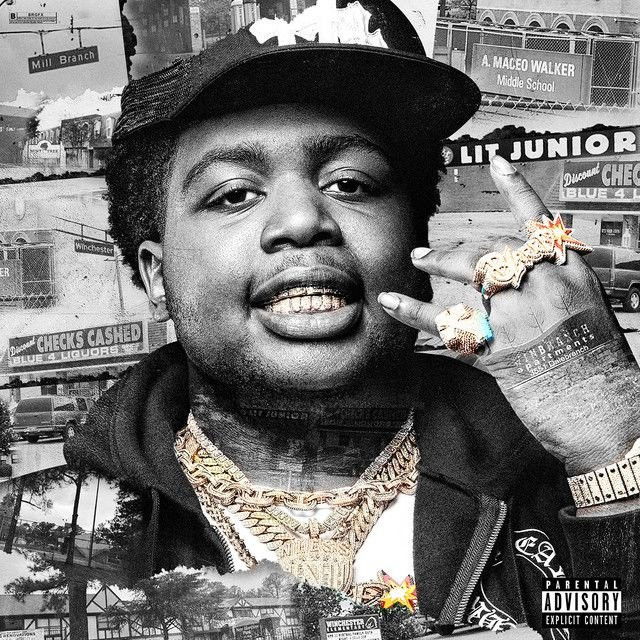
Allegations by BIG30, Pooh Shiesty
The meaning of Allegations BIG30, Pooh Shiesty centers on what happens when grief, rumor, and street identity collide. Rather than offering a careful defense, they rap like men living under pressure, where every loss becomes personal and every accusation becomes part of their reputation.
"Allegations" - BIG30 ft. Pooh Shiesty
Blrrrd
Man, this shit here crazy, stupid bitches say we killed my nigga
Loading lyrics...
Unable to load lyrics
We're unable to display the lyrics at this time. Please try again later.
This is not a reflective apology song. It is a tense, hostile track about survival, public suspicion, and emotional numbness. Interpretation: the title matters because it frames the whole song as a response to what people say, not just what happened.
What the song is really saying
At its core, the track is about two things happening at once:
- mourning someone they lost
- responding to outside talk without fully answering it
BIG30 opens with pain and anger. He refers to people saying we killed my nigga
, then quickly moves into distrust, firearms, and revenge language. That shift is important. Instead of sitting in sadness, they turn grief into motion, suspicion, and force.
Pooh Shiesty picks up that same energy from another angle. When he says they quick to say it's me
, the song becomes partly about notoriety. They know their names carry weight, and the public already expects them to be involved when violence happens.
So the meaning is not hidden: they are showing how street fame can make every rumor stick, while loss makes them feel even more ready for conflict.

Watch the official Allegations
music video
Grief hides inside the aggression
One of the strongest parts of the song is how little softness it allows. BIG30 says he wants to keep yo' name alive
, which gives the verse an emotional center. He presents loyalty to the dead as something active, almost militant.
That matters because the song never sounds calm. Even when they reference pain, they do not slow down or open up in a vulnerable way. Instead, they describe being alone, armed, and unable to trust people.
Now I'm out in traffic by myselfI don't know who to trust
This is the clearest emotional clue in the song. The violence is loud, but the fear underneath it is just as important. Interpretation: that moment suggests the real wound is not only loss; it is the feeling that the world has become unsafe from every side.
Rumors, image, and the burden of a name
The title "Allegations" points to accusation, gossip, and public narratives. The song keeps returning to that idea. They know people are watching, talking, and connecting their names to violent events.
Pooh Shiesty makes this especially plain when he says people are waiting on his response, but he mostly refuses to give one. That refusal is part of the song’s power. They do not try to clear up the story in a legal or moral way. They answer by reinforcing the same dangerous image that fuels those rumors.
Interpretation: this creates a paradox. They reject outside claims, but they also feed the myth around themselves. In rap terms, that can work as intimidation. In emotional terms, it sounds like a person trapped inside the version of himself the streets already believe.
How each rapper frames the message
BIG30’s verse: pain turned outward
BIG30 sounds raw and unstable in a deliberate way. He moves from mourning to retaliation very fast, which gives the verse a spiraling quality. References to pills, guns, and city movement make the world feel chaotic.
His writing is less about details of one event and more about the state of mind after a loss. The result is a portrait of someone who feels hunted and hardened at the same time.
Pooh Shiesty’s verse: silence as defiance
Pooh Shiesty sounds colder. He treats accusation as expected, almost routine. When he says keep it G
, the point is not confession. The point is a code: they do not explain themselves to outsiders.
That makes his verse feel like an answer to scrutiny itself. He turns suspicion into status, which fits the song’s larger mood of menace and control.
Why the production matters
The production supports the meaning by refusing comfort. The beat is built around heavy low end, sharp percussion, and a dark, spare drill-style atmosphere. There is space in the instrumental, but it does not feel open; it feels watchful.
That sonic design matters because it mirrors the lyrics. They sound like they are always moving, scanning, and ready to react. The ad-libs, clipped flows, and forceful delivery make the song feel less like storytelling and more like a threat heard in real time.
For artist context, BIG30 and Pooh Shiesty both emerged from Memphis rap, a scene known for blunt street realism and heavy, ominous production. Their regional style helps explain why the song values pressure and presence over moral explanation. The credited writers are Lontrell Williams Jr., Rodney Wright, and Tiquan Pryor.
Final takeaway on the meaning of Allegations BIG30, Pooh Shiesty
The meaning of Allegations BIG30, Pooh Shiesty is about more than denying rumors. It shows how grief, fear, and public suspicion can merge into one hardened persona. They sound like artists who believe being watched is unavoidable, and being vulnerable is dangerous.
That is why the song feels so tense. It is not simply bragging. It is the sound of men treating reputation like armor after loss.
Disclaimer: This interpretation is based on the lyrics, performance, and artistic context, and should not be taken as a statement of literal fact about real events or people.









