Why 'Dommage' by Bigflo & Oli Hurts So Much
The meaning of Dommage Bigflo & Oli comes down to one painful truth: many lives are shaped not only by what people do, but by what they fail to do in time. The French duo turn that idea into a series of small, vivid stories. Each one begins with an ordinary hesitation, then opens into a lasting consequence.
"Dommage" - Bigflo & Oli
(Oli, t'es prêt? Bien)
Louis prend son bus comme tous les matins
Loading lyrics...
Unable to load lyrics
We're unable to display the lyrics at this time. Please try again later.
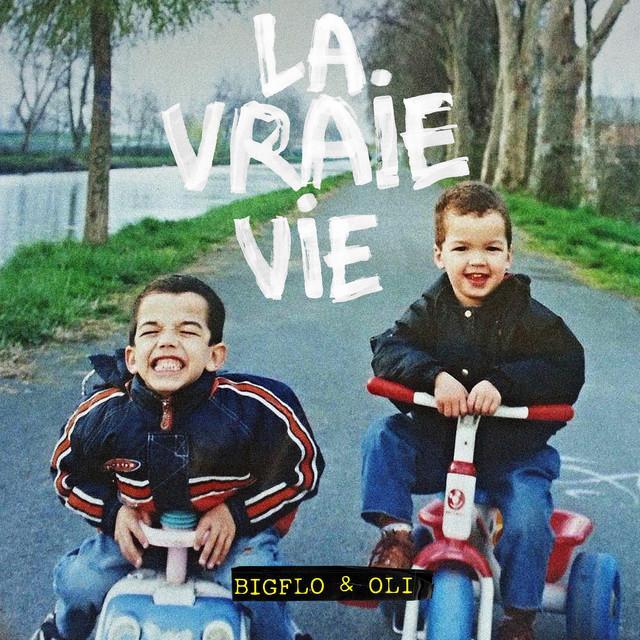
Released on the duo’s 2017 album La Vraie Vie, the song became one of their best-known narrative tracks. It was written by Florian Ordonez, Olivio Ordonez, and Paul Van Haver, better known as Stromae. Those credits help explain why the writing feels both direct and carefully built: it is pop-minded, but deeply observant.
Four Lives, One Shared Wound
At the center of the song are four characters: Louis, Yasmine, Diego, and Pauline. Bigflo & Oli do not present them as heroes. They sound like regular people trapped by fear, routine, sadness, or danger.
Louis sees a girl on the bus again and again, but never speaks. He waits for the perfect moment, gets a smile, and then loses the chance forever. The point is simple and brutal: silence can become its own decision.
Yasmine has talent and a dream, but family pressure pushes her toward practical work instead of music. The song contrasts her gift with the dull pull of daily labor. Her story shows how regret is not always caused by laziness; sometimes it grows from discouragement and class pressure.
Diego stays home while his friends go out. He thinks nothing will happen anyway, but the narrator reveals that the night he skips is the one that could have changed his life. In his case, regret is tied to isolation and depression.
Then the song turns darker with Pauline. Her verse describes domestic violence with chilling restraint. What starts as the same pattern of missed action becomes something much heavier: the danger of not leaving abuse in time.

Watch the official Dommage
music video
Why the Chorus Keeps Getting Heavier
The hook sounds almost casual at first, repeating ah, c'est dommage
and c'est p't'être la dernière fois
. In English, that lands somewhere near “what a shame” and “maybe it was the last time.” But Bigflo & Oli use that simplicity on purpose.
After Louis, the chorus feels wistful. After Yasmine, it feels frustrating. After Diego, it feels sad. After Pauline, it feels devastating. The same words do not change, but the listener’s understanding does.
That is one of the song’s smartest moves. The refrain becomes a moral echo. It suggests that people often recognize the importance of a moment only after it is gone.
The Song’s Big Idea: Regret vs. Remorse
The final message makes the theme explicit. The closing line says it is better to live with remorse than regret. In other words, acting and failing may hurt, but not acting can haunt a person longer.
Vaut mieux vivre avec des remords
qu'avec des regrets
This is the closest thing the song has to a thesis statement. It reframes all four stories at once. Louis should have spoken. Yasmine should have tried. Diego should have gone out. Pauline should have left sooner.
Interpretation: The song is not only advising boldness. It is also warning against passivity. In some cases, hesitation is awkward. In others, it is destructive.
How Bigflo & Oli Build Meaning Through Storytelling
Bigflo & Oli are known for clear, narrative rap, and this track is one of their strongest examples. Rather than making the song abstract, they write mini-scenes with names, places, and routines. That choice makes the message feel universal without becoming vague.
The names matter too. Louis, Yasmine, Diego, and Pauline sound like people listeners might know. The result is social realism: these are not distant symbols, but everyday lives.
There is also a structural escalation. The first three stories deal with love, ambition, and loneliness. Pauline’s verse then raises the stakes and forces the listener to rethink the earlier pattern. What first sounded like a song about missed chances becomes, in part, a song about survival.
How the Sound Softens the Blow
Musically, “Dommage” is gentle, melodic, and easy to absorb. The beat is steady, the piano and pop arrangement feel warm, and the vocals stay conversational. That softness matters because it lets the stories arrive without melodrama.
Instead of using aggressive production, the duo let the contrast do the work. The music invites listeners in; the lyrics leave the bruise. That balance is part of why the song connected with such a wide audience in French pop and rap.
Stromae’s writing credit also makes sense here. While they should not overstate his exact role, listeners can hear a shared interest in catchy structure, emotional storytelling, and social detail.
Why the Meaning Still Lands
The meaning of Dommage Bigflo & Oli lasts because almost everyone recognizes one of these characters. Some people hear themselves in Louis and think about chances not taken. Others hear Yasmine and think about dreams set aside. Others may feel the loneliness in Diego.
Pauline’s verse, though, is often the one that stays longest. It shifts the song from relatable sadness to moral urgency. By the end, “what a shame” no longer sounds light at all.
Final Take
“Dommage” is a song about missed moments, but also about the cost of waiting too long. Bigflo & Oli show that regret can begin in ordinary fear and end in life-changing loss. Their message is clear: action may be risky, but silence has consequences too.
Disclaimer: This interpretation is based on the song’s lyrics, structure, and public credits. As with all art, individual listeners may hear different meanings in it.







