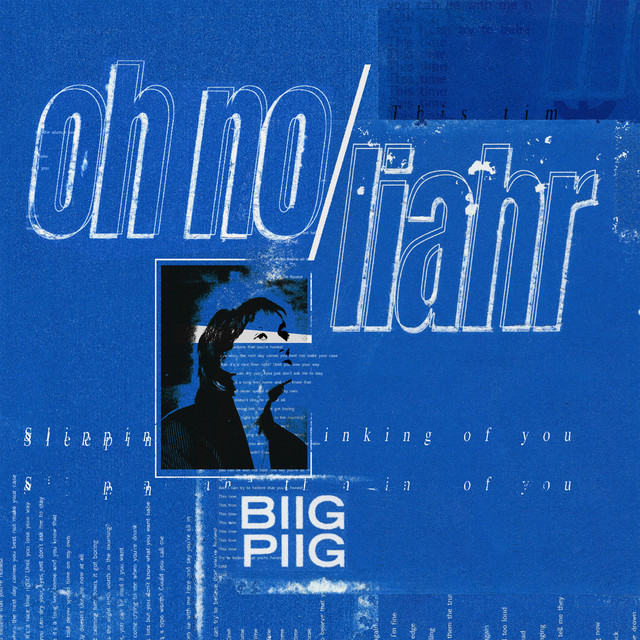
Oh No by Biig Piig
Biig Piig’s "Oh No" sounds soft on the surface, but the emotional core is heavy. The meaning of Oh No Biig Piig comes down to a painful cycle: they open up, regret it, hide how bad things feel, and end up alone with their thoughts again. It is a song about self-awareness without self-rescue.
"Oh No" - Biig Piig
Ahh
Ahh-ahh
Loading lyrics...
Unable to load lyrics
We're unable to display the lyrics at this time. Please try again later.
Biig Piig, born Jessica Smyth, is an Irish artist from Cork whose background stretches across Ireland, Spain, and West London, a mix that helped shape their fluid, intimate style, according to widely cited biographical sources. They built a following through early releases like "Vice City" before later projects such as Bubblegum and the 2025 album 11:11 broadened their reach. That history matters here because "Oh No" fits their gift for turning private feelings into airy, late-night pop.
The Heart of the Song Is a Repeated Emotional Crash
At its center, the song is about doing something familiar and harmful, then watching the fallout. When the narrator says Oh no, I did it again
, they are not talking about a random mistake. They are naming a pattern.
That pattern has three parts:
- They share too much or lose control of their emotions.
- They pretend they are okay.
- They end up isolated, overthinking, and emotionally flooded.
The phrase mind leak out
is especially revealing. It suggests that their feelings do not come out in a calm, chosen way. Instead, everything spills over. The song frames that kind of vulnerability as messy, public, and hard to take back.
Watch the official Oh No
music video
Why the Loneliness Feels So Sharp
A key part of the meaning of Oh No Biig Piig is that other people are present, but comfort still does not arrive. The narrator mentions friends, but those relationships do not solve the problem. After opening up, they are now lonely
, which gives the song its sting.
That detail suggests a deeper fear: being known does not always mean being understood. The narrator seems to want connection, yet every attempt leaves them feeling more exposed. Even the hope that someone might reach out feels fragile. They wait, they replay, and they sink further inward.
A Voice Caught Between Honesty and Denial
The second verse sharpens this conflict. The narrator admits they tell everyone they are fine, even when they are close to the edge. In plain terms, they perform stability while privately falling apart.
That is why the song feels more complicated than a simple breakup track. There may be a missing person in the background, especially with the repeated thought of thinking of you
. But the real drama happens inside the narrator’s own mind. The song is less about a single lost relationship than about what emotional distress does to every relationship around them.
The Most Powerful Images: Blue, Drowning, and the Room
Biig Piig keeps the writing simple, but the images carry a lot of weight. The mention of sinking into blue points toward sadness, emptiness, and emotional numbness. Blue is not just a color here; it becomes a whole mood.
Then the song moves to water imagery. When the narrator says they watch themselves drown
, the line suggests helplessness. They are not fighting the feeling in that moment. They are observing it happen, almost detached from their own collapse.
Another important image is the room. They claim to be safe there, but the line does not sound reassuring. It sounds defensive. The room may offer privacy, but it also traps them with spiraling thoughts.
I'm caving now
While I watch me drown
Safe and sound
While I'm in this room
Paraphrased, this section shows the contradiction at the center of the song: the narrator says they are safe, yet everything else points to emotional collapse. That gap between what they say and what they feel is the song’s main tension.
How the Sound Supports the Lyrics
Biig Piig’s music often lives in a space between indie pop, alternative R&B, and dreamy electronic production. "Oh No" uses that softness well. Instead of sounding huge or theatrical, the track feels hazy and enclosed, as if the listener is sitting inside the narrator’s thoughts with them.
The breathy vocal style matters. It keeps the confession intimate, almost secretive. The repeated hooks and airy ad-libs also create a looped feeling, which mirrors the emotional cycle in the lyrics. Rather than building toward release, the song seems to circle the same wound.
Interpretation: that restrained production may be the point. A louder, more dramatic arrangement could have turned the song into pure breakdown. This one feels quieter and more realistic, like someone trying to hold themselves together in real time.
Is It About One Person or About Mental Overload?
There are two strong ways to read the song, and both can exist at once.
First, it can be heard as a song about longing for one specific person. The repeated fixation on someone who may call back makes that reading believable.
Second, and more convincingly, it works as a portrait of anxiety, depression, or intrusive thought loops. The references to internal voices, emotional collapse, and false claims of being fine all point that way. This is an interpretation of the lyrics, not a medical diagnosis.
What makes the song effective is that it never fully separates heartbreak from mental strain. Missing someone can trigger spirals. Spirals can make someone feel impossible to reach. "Oh No" lives in that overlap.
Why This Song Sticks
The meaning of Oh No Biig Piig is powerful because it captures a feeling many people know but struggle to describe: the shame of repeating an emotional pattern they can already see coming. The narrator is aware, articulate, and still stuck.
That honesty is what gives the song its pull. Biig Piig does not offer a neat lesson or a dramatic breakthrough. They simply map the loop with clarity and feeling.
Disclaimer: This interpretation is based on the song’s lyrics, performance, and publicly available artist context. Like all art, the song can support more than one valid reading.









