Why 'Double Dare Ya' Still Hits So Hard
The meaning of Double Dare Ya Bikini Kill starts with a challenge. This is not a quiet song about private feelings. It is a loud invitation to reject shame, speak up, and act. From its first seconds, Bikini Kill frame the track as collective and political, not just personal.
"Double Dare Ya" - Bikini Kill
Ok, sorry, ok we're starting now
We're Bikini Kill and we want revolution
Loading lyrics...
Unable to load lyrics
We're unable to display the lyrics at this time. Please try again later.
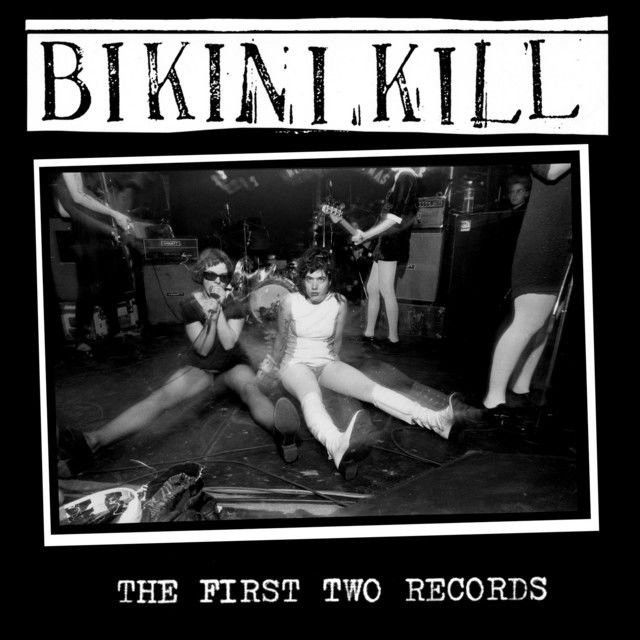
Released on the band’s 1991 demo and later tied to the early Riot Grrrl wave, the song became one of Bikini Kill’s clearest mission statements. Kathleen Hanna, Kathi Wilcox, Billy Karren, and Tobi Vail used punk as a tool: fast, rough, direct, and hard to ignore. In that sense, “Double Dare Ya” is less a story than a call to move.
A Punk Challenge Disguised as a Chorus
At its core, the song dares girls to stop obeying the limits placed on them. The repeated hook, Double dare ya
, sounds almost playful at first. But the point is serious: they are pushing the listener toward courage.
The verses build that message step by step. First comes permission to act freely, to feel openly, and to refuse the old rule that girls should stay quiet and pleasing. When the song urges someone to do what you want
and be who you will
, it is rejecting the idea that femininity must be passive.
Interpretation: The dare matters because it flips a familiar social game. A childish taunt becomes a feminist challenge. Instead of daring someone to do something reckless, Bikini Kill dare them to become fully themselves.

Watch the official Double Dare Ya
music video
The Real Enemy: Control and Silence
The song gets sharper when it turns from encouragement to confrontation. One of its clearest targets is authority, especially male authority, summed up in the line about what the Man says
. That phrase points beyond one bad boyfriend or one rude stranger. It suggests a whole system that expects girls and women to wait their turn, stay in line, and not make trouble.
That is why the track connects speech with resistance. The warning against “speaking out of turn” is not advice; it is the rule the song wants to destroy. Bikini Kill expose that rule, then answer it with noise, anger, and repetition.
You've got no reason not to fight
You do have rights
This short passage captures the song’s plainest message. Before someone can defend themselves, they have to know they are allowed to. The song insists on that basic truth.
Riot Grrrl Context Changes the Meaning
The meaning of Double Dare Ya Bikini Kill becomes even clearer in context. Bikini Kill were central to the Riot Grrrl movement, a feminist punk scene that pushed back against sexism in music, media, and everyday life. Their work mixed songs, zines, activism, and community-building.
In that setting, “Double Dare Ya” is not only self-expression. It is organizing language. Even the spoken intro declaring a desire for revolution and “girl-style” turns the track into a manifesto. They are not only describing a problem. They are naming a new way to answer it.
Writers often describe Bikini Kill’s early work as both confrontational and inviting, and that balance matters here. The song is angry, but it is also social. The use of “girlfriend” is important because it turns the listener into an ally rather than a spectator.
How the Sound Delivers the Message
The production is raw, stripped down, and urgent. That matters. A polished pop arrangement would have softened the point, but Bikini Kill choose abrasive guitar, pounding drums, and shouted vocals that feel close to the edge. The band’s catalog, documented through Bikini Kill Records, shows how central that DIY sound was to their identity.
Hanna’s vocal performance is especially important. She does not sing these lines as careful reflections. She spits, pushes, and rallies. Her tone makes emotional openness sound forceful rather than fragile.
The repetition also works like protest chanting. Every return to Double dare ya
adds pressure. By the end, the hook feels less like a lyric and more like a crowd finding its voice together.
Why the roughness matters
The song’s rough edges mirror its ideas:
- messy feeling over polite restraint
- collective shouting over private suffering
- urgency over perfection
That sonic design supports the theme that liberation may sound disruptive before it sounds accepted.
Line by Line: How the Themes Connect
One of the smartest things about the song is how quickly it moves from emotion to politics. It tells girls they can cry, desire, speak, and fight. Those are not separate issues here. The song treats them as part of the same struggle.
When Bikini Kill challenge the stereotype so emotional baby
, they are exposing a common insult. Girls’ feelings are often used against them, as if emotion cancels truth. The song rejects that logic. Feeling deeply is not weakness in this world; it is evidence that something is wrong.
Then the song pushes beyond feeling into action. Knowing one’s rights becomes the next step after reclaiming one’s voice. That progression gives the track its structure: wake up, reject control, claim power, fight back.
More Than Anger, Less Than a Lecture
A big reason the song lasts is that it never sounds academic. Its politics come through direct language, repetition, and pressure. There is humor in the dare, fury in the delivery, and solidarity in the way the listener is addressed.
Interpretation: Another way to hear the song is as a consciousness-raising tool. It does not just express rebellion; it tries to create it in real time. By the end, the listener has been pushed from self-doubt toward action.
Why It Still Matters Now
“Double Dare Ya” still resonates because the pressures it attacks have not disappeared. Girls and women are still told they are too loud, too angry, too emotional, or too difficult. Bikini Kill answer those judgments by making loudness itself the point.
That is the lasting power behind the meaning of Double Dare Ya Bikini Kill. It is a song about rights, voice, friendship, and resistance. More than that, it is a dare to stop asking permission.
Disclaimer: This article offers informed interpretation based on the lyrics, artist context, and reception. Meanings can vary from listener to listener.







