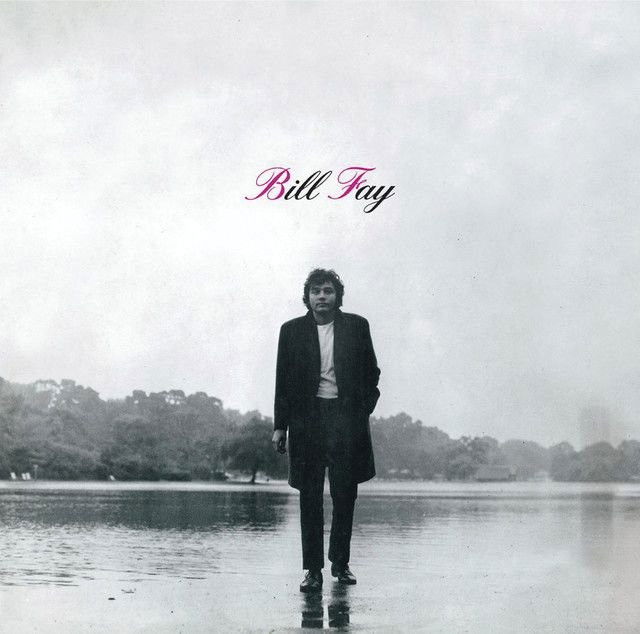
Be Not So Fearful by Bill Fay
The meaning of Be Not So Fearful Bill Fay starts with its plainspoken comfort. This is not a song built on twists, dense imagery, or dramatic storytelling. Instead, it works like a quiet hand on the shoulder. Bill Fay uses repetition, soft commands, and a deeply humane tone to speak to someone who feels shaken by fear, regret, and weakness.
"Be Not So Fearful" - Bill Fay
Someone watches you, you will not fail
Be not so nervous, be not so frail
Loading lyrics...
Unable to load lyrics
We're unable to display the lyrics at this time. Please try again later.
That simplicity is exactly why the song lands so hard. It sounds less like performance and more like care.
A Gentle Song About Fear, Shame, and Reassurance
At the center of the song is a voice speaking directly to another person. That voice tells them not to collapse under anxiety or guilt. Phrases like be not so fearful
and be not so sorry
are not harsh commands. They feel tender, almost parental, as if the speaker sees someone in pain and wants to calm them before they sink deeper.
The song moves through three linked feelings:
- fear about what might happen
- shame about what has already happened
- hope that recovery is still possible
That emotional path gives the lyric its shape. First, the person is addressed in their fragile state. Then they are told their mistakes do not have to define them. Finally, they are promised movement again, captured in the image that you can run
. In plain terms, the song says that pain is real, but it is not final.
Watch the official Be Not So Fearful
music video
Who Is the Voice Speaking?
One reason the song stays powerful is its ambiguity. The lyrics never fully explain who is offering this comfort. That opens up several possible readings.
Interpretation: many listeners hear it as one person consoling another after a breakdown, loss, or moral failure. In that reading, the repeated lines are a form of emotional first aid.
Interpretation: others hear a spiritual message. The line someone watches you
suggests a protective presence beyond the self. Combined with the old-fashioned phrasing of “be not,” the song can sound almost like a hymn or prayer.
Both readings fit. Bill Fay’s writing often blends everyday human pain with spiritual tenderness, which is one reason his catalog has earned such lasting respect among critics and musicians, especially after his later rediscovery by new audiences and supporters like Dead Oceans and features in major music press coverage.
How the Lyrics Build Meaning Through Repetition
The song says very little, but it says it with purpose. Repetition is the main device. Instead of adding new plot points, Fay repeats key ideas so they sink in emotionally.
Be not so nervous
be not so frail
This brief opening idea sets the pattern. The speaker names a condition, then answers it with reassurance. Later, guilt enters the picture, and the song pushes toward release. When the lyric says the past is done, the point is not that harm never mattered. It is that endless self-punishment will not heal it.
That is where the image you will not leave the rails
becomes important. The phrase suggests guidance, structure, and protection from total collapse. Even if the listener feels close to falling apart, the song insists there is still a path holding them up.
The Core Themes Behind the Song
Fear Is Treated as Human, Not Shameful
The song never mocks weakness. It recognizes panic and fragility as real experiences. That matters because many songs about courage frame fear as failure. Fay does the opposite. He speaks to the fearful person with patience.
Guilt Must Be Released to Heal
The repeated address to someone who is sorry hints at a mistake, but the details are left out. That choice broadens the song’s reach. It can apply to personal regret, grief, moral failure, or simply the burden of being too hard on oneself.
Hope Arrives as Movement
The promise that the listener will find they can run turns healing into action. They are not just meant to feel better in theory. They are meant to recover motion, agency, and breath.
How Bill Fay’s Sound Deepens the Message
Any explanation of the meaning of Be Not So Fearful Bill Fay should include the music itself. Fay’s work is often marked by restraint: unshowy arrangements, careful pacing, and vocals that sound intimate rather than theatrical. That style makes reassurance feel believable.
In this song, the likely effect is one of stillness rather than drama. The melody and delivery support the lyric’s compassion. Nothing rushes. Nothing explodes. That matters because the song is trying to calm a distressed mind, not overpower it.
This is also consistent with Fay’s broader artistic identity. Though never a mainstream star in his early career, he became a cult favorite because of songs that joined spiritual seriousness with emotional plainness. Reviews and artist profiles have often noted that rare combination in his work.
Why the Song Still Resonates
Part of the song’s staying power is that it refuses cynicism. It believes comfort can be spoken simply. It believes people can survive fear. It believes remorse does not have to become a life sentence.
For modern listeners, that can feel unusually direct. There is no irony to hide behind. The song just offers mercy.
Interpretation: that may be why it continues to connect across generations. People return to it not for mystery alone, but for its steadiness. It is a song that sounds like shelter.
A Final Reading of Its Message
In the end, “Be Not So Fearful” is best understood as a quiet anthem of reassurance. It speaks to a person who feels broken and tells them they are still held, still guided, and still capable of moving forward.
That is the deepest meaning of Be Not So Fearful Bill Fay: fear and regret may speak loudly, but they do not get the final word.
Disclaimer: This interpretation is based on the song’s lyrics, performance, and Bill Fay’s broader artistic style. As with any song, listeners may hear different meanings in it.







