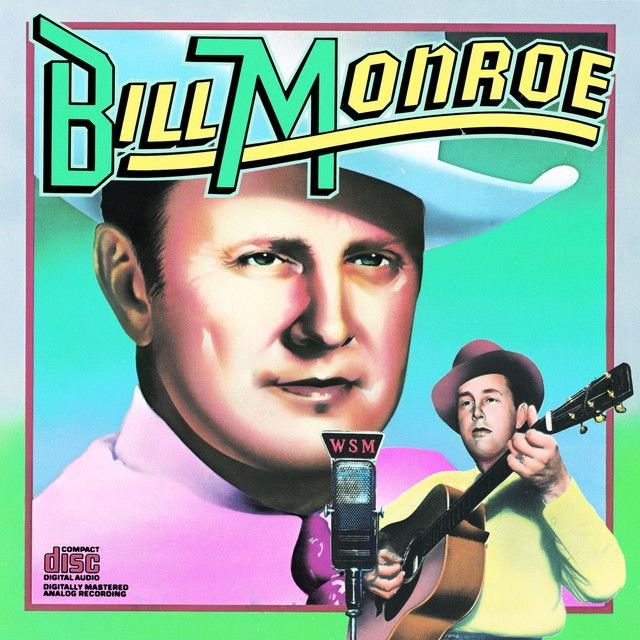
Heavy Traffic Ahead by Bill Monroe
Bill Monroe’s “Heavy Traffic Ahead” sounds simple on first listen, but that simplicity is part of its charm. The song is less about a literal traffic jam than about the steady motion of working musicians who live on the road. For anyone searching for the meaning of Heavy Traffic Ahead Bill Monroe, the clearest answer is this: it celebrates the grind, pride, and rhythm of a touring bluegrass life.
"Heavy Traffic Ahead" - Bill Monroe
We load our music up on the run
Heavy traffic ahead, heavy traffic ahead
Loading lyrics...
Unable to load lyrics
We're unable to display the lyrics at this time. Please try again later.
Monroe, widely known as the “Father of Bluegrass,” built much of his music around movement, labor, and discipline. In that context, this song fits naturally with the hard-traveling identity associated with Monroe and the Blue Grass Boys, a group central to bluegrass history as noted by the Encyclopaedia Britannica. The song turns everyday travel into a badge of purpose.
A Road Song Disguised as a Work Ethic Anthem
At the story level, the lyrics follow a clear loop. The band finishes work, loads up, leaves Nashville, crosses state lines, plays shows, and returns to do it again. The repeated phrase heavy traffic ahead
works as a practical warning, but it also becomes a symbol for the crowded, demanding path they have chosen.
Rather than complaining, the singers accept that pressure. When the song says we got to ramble
, it frames travel as duty. They are not drifting without aim. They are moving because the job calls them forward.
That is what gives the song its upbeat spirit. Traffic usually means delay, but here it means momentum. The road is busy because the work matters.
Watch the official Heavy Traffic Ahead
music video
Why Nashville Matters in the Story
The references to Nashville give the song a strong bluegrass center. Nashville is not just a city in the lyric. It stands for home base, music business pressure, and the heartbeat of a professional scene. When the band pulls out of town and later heads back, the song presents their life as a cycle of departure and return.
That cycle makes the narrator sound grounded, not romanticized. They are not chasing fantasy. They are part of a routine. Phrases like right on time
and never late
stress reliability, showing how seriously they take their work.
The Blue Grass Boys as Working Professionals
One of the most revealing parts of the lyric is the way it names the group itself. By calling out the Blue Grass Boys, the song becomes partly self-portrait. It tells listeners how the band wanted to be seen: disciplined, mobile, and ready.
Pride Instead of Complaint
Even when the words describe long drives and late evenings, the mood never turns bitter. The line with a good will
sums up the emotional core. They work hard, but they do it with pride.
That matters because Monroe’s music often linked rural values with professionalism. The song suggests that showing up, traveling hard, and keeping schedule are moral virtues as much as job requirements.
How the Chorus Turns Traffic Into Meaning
The chorus is catchy because it repeats the title idea until it becomes larger than its literal sense. Each verse adds another piece of the band’s schedule, and the chorus ties those pieces together. In plain terms, every stop on the journey leads back to the same truth: the road ahead is full, demanding, and unavoidable.
Interpretation: the chorus may also reflect the growth of bluegrass itself. A “heavy” road can suggest a crowded calendar, more audiences, and a music scene expanding beyond one town. Under that reading, traffic is not just an obstacle. It is proof that the music is in motion.
Heavy traffic ahead
We got to ramble
That brief pairing captures the song’s whole outlook: obstacles exist, but motion continues.
Sound, Speed, and Bluegrass Momentum
The meaning of “Heavy Traffic Ahead” is carried not only by the lyrics but by its musical feel. Monroe’s approach to bluegrass favored brisk tempos, sharp rhythm, and tight ensemble playing. That style is part of what made his work so influential, as recognized by the Recording Academy.
In a song like this, listeners can hear how likely instrumentation choices—mandolin chop, quick guitar rhythm, fiddle support, and driving bass—mirror the subject. The sound keeps pushing forward, just like the travelers in the lyric. Even without hearing every word, the arrangement would still suggest wheels turning and miles passing.
Monroe’s vocal delivery also matters. He often sang with a plain, direct tone that fit songs about labor and travel. That directness helps “Heavy Traffic Ahead” feel believable. It sounds lived-in rather than theatrical.
A Simple Song With a Bigger American Theme
Part of the reason the song lasts is that it speaks to more than musicians. Its message can connect with truckers, shift workers, traveling salespeople, or anyone whose life runs on schedules and roads. The lyric turns motion into identity.
Interpretation: in that wider sense, the song reflects an American respect for hard work and keeping commitments. Traffic becomes a test of character. The people in the song do not stop because the way is crowded. They keep going because that is who they are.
Final Take on the Song’s Meaning
The meaning of Heavy Traffic Ahead Bill Monroe comes down to cheerful endurance. It is a portrait of road life, but also a statement about discipline, pride, and the cost of making music for a living. Monroe transforms a plain travel phrase into a symbol of responsibility and momentum.
For casual listeners, it is a lively bluegrass number. For closer readers, it is a compact anthem for working artists who accept the long road as part of the calling.
Disclaimer: This interpretation is based on the released lyrics, Monroe’s bluegrass context, and common themes in his work. As with many songs, listeners may hear additional meanings.







