Why 'Orange Blossom Special' Still Races
The meaning of Orange Blossom Special Bill Monroe starts with a train, but it does not end there. This song is a travel story, a reunion fantasy, and a showcase for bluegrass speed all at once. Even when the words stay simple, the performance makes it feel huge.
"Orange Blossom Special" - Bill Monroe
Hey, look a-yonder comin', comin' down that railroad track
It's the Orange Blossom Special bringin' my baby back
Loading lyrics...
Unable to load lyrics
We're unable to display the lyrics at this time. Please try again later.
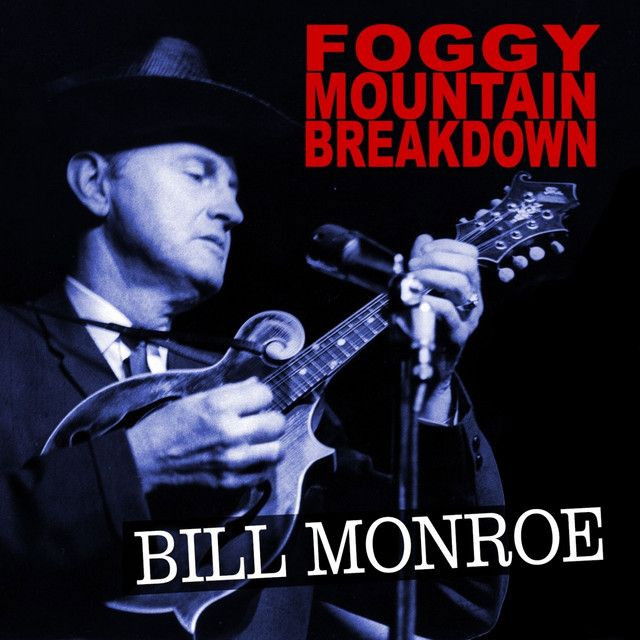
Though the tune was written by Ervin T. Rouse in 1938 and first recorded in 1939, Bill Monroe helped turn it into a bluegrass landmark. Monroe, often called the father of bluegrass, recorded it with fiddler Art Wooten and helped bring it to a much wider audience. The song’s long life as a fiddle standard is well documented in reference histories and song archives.
A Train Song That Means More Than Travel
On the surface, the song is about the Orange Blossom Special passenger train. The narrator sees it coming down that railroad track
and treats it like an event. This is not just transportation. It is arrival, possibility, and emotional change.
The clearest clue comes when the train is described as bringin' my baby back
. That phrase gives the tune its heart. The train becomes the thing that restores what was missing. Instead of focusing on loss, the song leans into the excitement of reunion.
Interpretation: the train stands for rescue as much as movement. It is fast, loud, and public, but it also carries private hope.
Watch the official Orange Blossom Special
music video
The Story Moves From Longing to Escape
The lyrics unfold in a loose but clear sequence:
- The train appears on the horizon.
- It promises reunion with a loved one.
- The singer dreams of heading south or west.
- Travel becomes a cure for sadness.
- The train ends as a symbol of unstoppable motion.
The middle verse matters because it widens the song beyond romance. The narrator wants to go to Florida, maybe California, and shake off the weight of city life. When they mention New York blues
, the line suggests weariness, pressure, or emotional burnout.
That gives the song a second theme: escape. The special train is not only bringing someone home. It also offers a path out.
Bill Monroe’s Version and Bluegrass Context
Factually, the song belongs to Ervin T. Rouse. Still, Bill Monroe’s connection is central to how many listeners understand it today. Monroe’s band style prized speed, clarity, and instrumental fire, and this tune fits that world perfectly.
By the 1950s, the song had become a regular favorite at bluegrass festivals. It is often called the fiddle player’s national anthem because it lets musicians show off technique while still keeping a strong, crowd-friendly image: a train tearing down the line.
That matters for meaning. In Monroe’s orbit, the song is not only narrative. It is performative. The player has to make listeners feel the wheels, the whistle, and the rush.
How the Sound Creates the Meaning
The meaning of Orange Blossom Special Bill Monroe is inseparable from its sound. The lyric is short, but the arrangement does heavy lifting.
Fiddle as Engine, Whistle, and Adrenaline
Fast bowing and sliding phrases imitate train movement. Players often mimic wheel rhythm and high whistle cries. Critics and folklorists have long noted that the tune works as both a train imitation piece and a test of fiddler virtuosity.
That is why the song feels bigger than its text. Even if a listener barely catches every word, they understand the emotion through momentum.
Rhythm That Never Sits Still
The groove pushes forward with almost no sense of rest. When the song calls the train the fastest train on the line
, the music backs it up. Tempo and attack make the train sound alive.
Interpretation: the relentless pacing mirrors desire itself. The narrator does not want to reflect for long. They want movement, relief, and arrival.
Symbols Rolling Through the Song
Several images carry more weight than they first seem to.
The Train
The train is power, connection, and modern freedom. It joins distant places and distant people.
Florida Sand
The wish to get sand in my shoes
suggests warmth, leisure, and release. It is the opposite of stress and gray routine.
The Seaboard Line
The closing image of the train rolling onward grounds the song in a real rail world, but it also leaves the listener with motion rather than closure. The song ends in transit.
Look a-yonder comin'
It's the Orange Blossom Special
In those brief lines, the song captures its whole trick: anticipation first, then impact.
A Little Humor, A Little Wildness
One spoken section adds comic personality. The exchange about going back to Florida and getting proper nourishment in New York sounds playful and slightly surreal. It breaks the straight train narrative and gives the performance a loose, live-wire charm.
That section also hints that the singer is not fully settled anywhere. They talk like a rambler, someone between places and between moods. The song enjoys that instability instead of fearing it.
Final Take on the Song’s Lasting Power
So what is the meaning of Orange Blossom Special Bill Monroe? It is the sound of motion becoming emotional relief. The song celebrates a train, but it also celebrates what the train promises: reunion, escape, speed, and the thrill of being carried somewhere better.
Bill Monroe’s bluegrass treatment helped lock in that meaning by turning the tune into a living performance challenge. In his world, the song is not just sung. It is chased.
Disclaimer: This interpretation blends documented song history with critical reading of the lyrics and performance style. Meaning can vary by listener and version.








