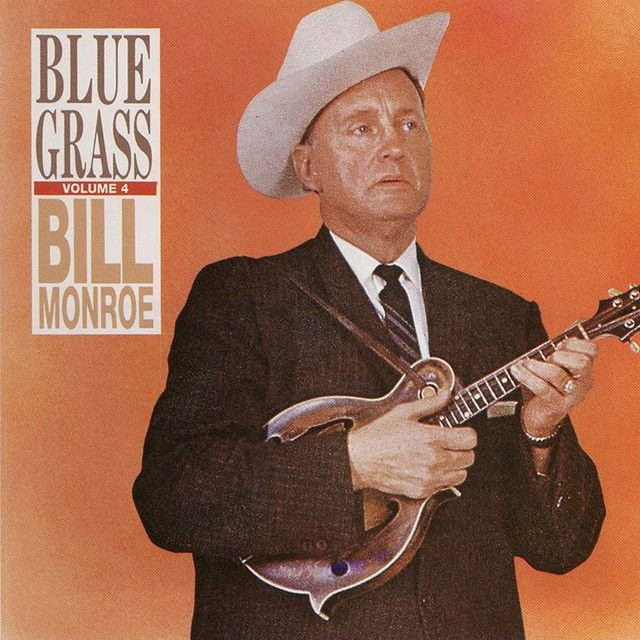
Precious Memories by Bill Monroe
Bill Monroe’s version of “Precious Memories” feels simple on the surface, but that simplicity is the point: it turns memory into a form of comfort, faith, and homecoming.
"Precious Memories" - Bill Monroe
Provided by LyricFindAs I travel down life's pathway
Knowing not what the years may hold
As I ponder hopes grow fonderLoading...Loading lyrics...
Unable to load lyrics
We're unable to display the lyrics at this time. Please try again later.
Why This Hymn Still Reaches People
The meaning of Precious Memories Bill Monroe begins with a familiar human feeling: looking back when the future feels uncertain. The singer moves through life without knowing what lies ahead, then finds steadiness in remembered love. That is why the song has lasted so long in American gospel and country tradition.
Factually, “Precious Memories” is a well-known gospel hymn commonly credited to J.B.F. Wright and dating to 1925, with many later recordings by artists across country, gospel, and roots music, as noted in this hymn overview. Bill Monroe’s version matters because Monroe, widely recognized as a founder of bluegrass, knew how to make spiritual songs sound both intimate and communal through his band style and vocal phrasing, as reflected in his career history.

Watch the official Precious Memories
music video
The Core Message: Memory as Shelter
At heart, the song is about how memory can protect a person from loneliness and uncertainty. The opening idea presents life as a path with unknown turns. From there, the singer does not answer fear with control. Instead, they answer it with remembrance.
When the lyric refers to life's pathway
, it frames life as a journey rather than a fixed destination. That matters because the song is not claiming life is easy. It admits that the years are unknown. The emotional turn comes when remembered people and places become a source of inner strength.
The repeated phrase precious memories
is not just sentimental decoration. It works like a spiritual anchor. The song suggests that memory is active, not passive. These scenes do not sit quietly in the past; they return, they linger, and they fill the soul.
Family at the Center of the Song
Parents, childhood, and the idea of home
One reason the song feels so immediate is its focus on family. The remembered figures are not abstract heroes. They are a loving mother
and father, plus scenes from an old home. That makes the song deeply domestic.
This is one of its strongest themes: holiness is found in ordinary life. The sacred enters through parents, childhood rooms, and the emotional shape of home. The song does not need grand events. Its power comes from everyday bonds that time has made even more meaningful.
Interpretation: In Monroe’s hands, this theme also fits bluegrass culture, where family, ancestry, church, and rural memory often overlap. The song can be heard as personal testimony, but also as a shared Appalachian value system: remember where they came from, and they will know who they are.
How the Chorus Expands the Meaning
The refrain deepens the idea by showing how memory behaves. It does not appear once and disappear. It returns in waves. The line about the soul being flooded suggests that recollection is emotional, physical, and spiritual all at once.
In the stillness
of the midnight
sacred scenes unfold
These lines matter because they move the song from nostalgia into devotion. Nighttime is often when grief, longing, and reflection grow louder. In that silence, memory becomes almost visionary. The past is not merely recalled; it unfolds like a private revelation.
Bill Monroe’s Sound and Why It Fits
Bill Monroe’s performance style helps explain why the song lands so strongly. Monroe’s bluegrass gospel recordings often use lean arrangements, close harmony, and a steady acoustic pulse. Even when the instrumentation is modest, the mandolin-led texture gives the music a bright edge against the softness of the lyric.
That contrast is important. The vocal delivery is tender, but the instrumental frame keeps the song from becoming overly sweet. Monroe’s style often carries a slight ache, which suits a lyric about distance, passing years, and the return of old scenes. The effect is not polished sentimentality. It is plainspoken reverence.
Interpretation: In this setting, the song’s emotional truth comes from restraint. Monroe and bluegrass gospel generally let the feeling rise through tone, timing, and harmony rather than dramatic production tricks. That makes the memories feel earned.
A Song About Grief, or Gratitude?
The answer is both. The lyric clearly carries loss. People and places appear from across the lonely years
, which implies separation, time, and possibly death. Yet the dominant feeling is not despair.
Instead, the song turns absence into gratitude. The remembered father, mother, and childhood home still live in the singer’s inner world. That is why the hymn comforts so many listeners at funerals, church services, and family gatherings. It acknowledges pain without letting pain have the final word.
Another possible reading is that the song describes faith itself. The “sacred scenes” may refer not only to family memories but to the belief that love survives time. In that sense, memory becomes almost sacramental: a visible sign of invisible grace.
Why Monroe’s Version Endures
Monroe did not need to rewrite the hymn to make it meaningful. He brought it into the bluegrass gospel tradition, where memory, kinship, and spiritual endurance already carried huge emotional weight. His version feels enduring because it is humble. It trusts the listener to know what it means to miss home, miss parents, or feel the past arrive suddenly in a quiet room.
For readers searching for the meaning of Precious Memories Bill Monroe, the clearest answer is this: the song says that remembered love can outlast distance, uncertainty, and sorrow. Its memories are “precious” not because they are perfect, but because they continue to nourish the soul.
Disclaimer: This interpretation separates documented context from critical reading. As with many gospel standards, individual listeners may hear different shades of grief, faith, family, and nostalgia in Bill Monroe’s performance.







