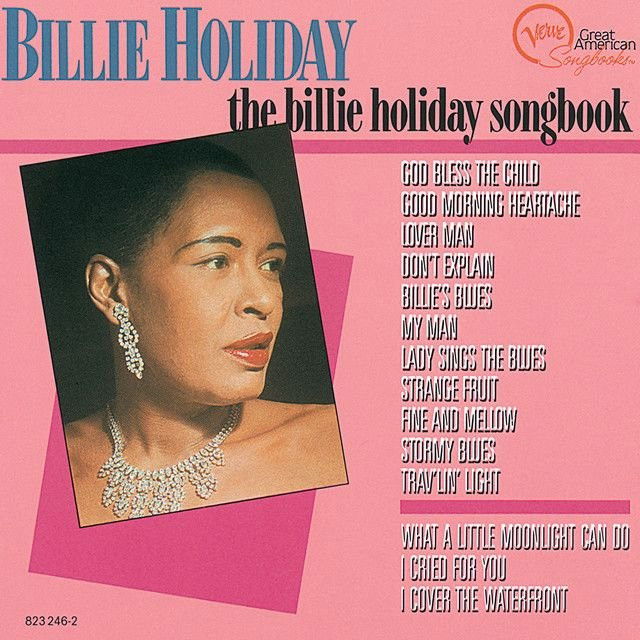
Why 'Good Morning Heartache' Still Hurts
The meaning of Good Morning Heartache Billie Holiday comes through in one striking idea: pain is no longer a passing feeling. It has become a routine. In Billie Holiday’s hands, the song does not sound like a sudden breakdown. It sounds like someone waking up and finding sorrow already waiting by the bed.
"Good Morning Heartache" - Billie Holiday
You old gloomy sight
Good morning heartache
Loading lyrics...
Unable to load lyrics
We're unable to display the lyrics at this time. Please try again later.
Recorded by Holiday on January 22, 1946, and released by Decca as a single, the song was written by Irene Higginbotham, Ervin Drake, and Dan Fisher, according to the supplied research data and the documented session details listed by Wikipedia (https://en.wikipedia.org/wiki/Good_Morning_Heartache). That context matters because the performance feels deeply tied to Holiday’s gift for making polished pop-jazz songs sound painfully personal.
A Sadness That Feels Like a Houseguest
At the center of the song is personification. The singer addresses heartache as if it were a familiar visitor. When they greet it with Good morning heartache
, the effect is both simple and devastating. They are not surprised that pain has returned. They almost expect it.
That is what gives the song its emotional power. The sadness is not shown as explosive. It is repetitive, dull, and persistent. The line about thinking they had said goodbye the night before suggests temporary relief, only for grief to reappear with daylight. Morning, which usually signals renewal, becomes proof that suffering is still there.

Watch the official Good Morning Heartache
music video
The Story Moves From Resistance to Resignation
The lyrics are short, but they trace a clear emotional arc. First, the speaker hopes the pain might finally be gone. Then they admit that it has been there ever since love left. By the end, they stop fighting the feeling and almost make room for it.
A few short phrases show that shift: what's new
, Stop haunting me now
, and sit down
. Each one marks a different stage. At first there is weary conversation, then protest, then surrender.
Interpretation: The song is not celebrating sadness. It is showing what chronic grief feels like when a person becomes too tired to pretend they can outrun it. That emotional exhaustion is what makes the final acceptance so moving.
Loss, Routine, and the Trap of Time
One of the smartest things in the lyric is the way it handles time. The pain appears at dawn, and the blues stretch from Monday blues
to Sunday. In plain terms, that means the feeling covers the whole week. There is no real break.
This is why the song feels larger than a typical torch song about a failed romance. Yes, the lyric points to a lover who is gone. But it also captures how sorrow can become part of daily life. Eating, sleeping, and waking all happen under its shadow.
That everyday framing helps explain why the song still connects with listeners in the United States today. They do not need the exact backstory to recognize the experience. Anyone who has lived with heartbreak, loneliness, or depression-like heaviness can hear themselves in that cycle.
Why Billie Holiday Was the Right Voice
Holiday did not write the song, but they shape its meaning through delivery. Their style often relied on timing, understatement, and a slightly behind-the-beat phrasing that made lines feel lived rather than recited. In this song, that approach turns neat songwriting into emotional testimony.
Factually, the 1946 session included Bill Stegmeyer and his Orchestra, with piano, guitar, bass, drums, horns, and strings listed in the surviving personnel notes (https://en.wikipedia.org/wiki/Good_Morning_Heartache). That ensemble matters because the arrangement supports the lyric’s mood without crowding it.
How the Sound Carries the Pain
The production is rooted in jazz and blues, and it moves with a slow, restrained pulse. Instead of sharp drama, the instruments create a tired elegance. The horns and strings soften the edges, while the rhythm section keeps the song walking forward, almost like another unavoidable day.
This balance is key. If the arrangement were bigger or louder, the song might feel theatrical. Instead, it feels intimate. The musical space around Holiday’s voice allows every pause to matter. They sound as though they are speaking to heartache in a quiet room, not belting at an audience.
Interpretation: That calm sound deepens the sadness. The performance suggests that pain has lasted long enough to become familiar. It is no longer a crisis. It is a condition.
More Than Romance: Another Way to Read It
Most listeners hear the song as a breakup lament, and the lyric supports that reading. It says heartache arrived when love went away. That is the clearest factual frame inside the song.
But there is also a broader interpretation. Because heartache is treated like a constant companion, the song can also be heard as a portrait of ongoing melancholy. In that reading, the missing lover starts the wound, but the real subject is the habit of sorrow itself.
That is why the closing gesture lands so hard. Inviting heartache to sit down
feels almost darkly polite. The singer knows the pain is not leaving, so they stop arguing with it.
Why the Song Endures
The meaning of Good Morning Heartache Billie Holiday lasts because it captures a truth many songs avoid: sometimes pain does not end with a breakthrough. Sometimes it simply becomes part of the morning. Holiday’s performance gives that truth dignity, warmth, and honesty.
They do not make suffering sound glamorous. They make it sound familiar. That is why the song still feels close, even decades after its 1946 release.
Disclaimer: This interpretation is based on the lyrics, performance, and available historical context. Meaning can vary from listener to listener.








