Why 'I'll Be Seeing You' Still Breaks Hearts
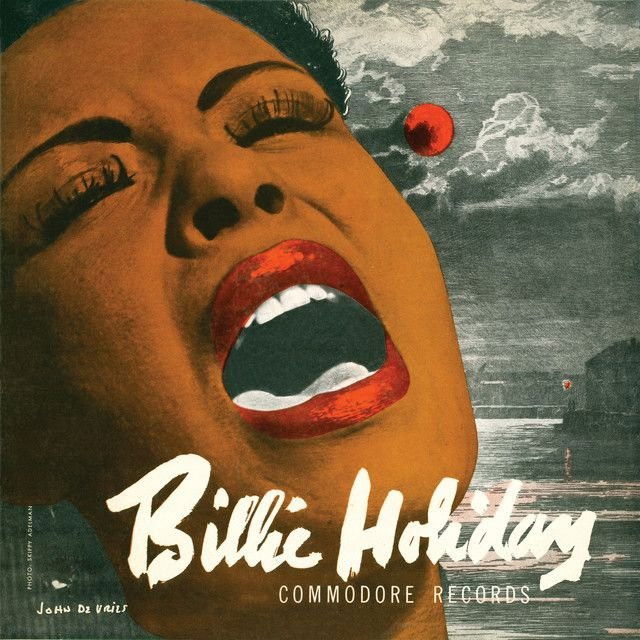
The meaning of I'll Be Seeing You Billie Holiday comes down to a simple but piercing idea: when someone is gone, memory makes them seem present everywhere. Billie Holiday did not write the song, but their 1944 recording became one of its most lasting versions, turning a standard into a quiet study of absence, devotion, and emotional survival.
"I'll Be Seeing You" - Billie Holiday
In all the old familiar places
That this heart of mine embraces
Loading lyrics...
Unable to load lyrics
We're unable to display the lyrics at this time. Please try again later.
The song was written by Irving Kahal and Sammy Fain and published in 1938. It first appeared in the Broadway musical Right This Way, according to reference histories of the song’s release and stage origin. By the 1940s, it had become deeply tied to wartime longing and separation, especially as other hit versions climbed the charts in 1944. That wider history helps explain why Holiday’s reading feels so timeless: it speaks to romantic loss, but also to any moment when love must continue across distance.
A Love Song Built From Absence
What makes this song hit so hard is that it never promises a reunion. Instead, the singer keeps spotting traces of the missing person in familiar settings. When the lyric mentions old familiar places
, it frames memory as something physical. Love is no longer only a feeling; it is attached to streets, routines, and landmarks.
That is the emotional engine of the song. The person being missed is gone, yet they keep appearing in the mind. The title phrase, I'll be seeing you
, sounds hopeful at first. But in context, it is bittersweet. The singer is not really seeing them again. They are seeing reminders.
Interpretation: This is why the song feels both comforting and painful. Memory becomes a way to keep love alive, but it also proves that the loved one is absent.

Watch the official I'll Be Seeing You
music video
How Everyday Images Carry the Feeling
One of the song’s smartest choices is its ordinary imagery. Instead of dramatic scenes, it uses public and peaceful places: a café, a park, a carousel, trees, a wishing well. The point is not spectacle. The point is recognition.
These details suggest that grief and longing do not stay locked inside one big moment. They spread into daily life. A simple walk, a passing glance, or a season can trigger feeling. When the song gestures toward every lovely summer's day
, it shows how even beauty becomes haunted by memory.
That image pattern widens in the final lines, where daylight and night sky both reflect the lost person.
morning sun
looking at the moon
but still seeing the loved one
This is the song’s big move: the absent person expands beyond places and enters nature itself. Morning, evening, and the sky all become mirrors for remembrance.
Billie Holiday’s Version Changes the Meaning
Holiday’s 1944 recording matters because of how they sing it. Their phrasing is measured, tender, and slightly bruised. Rather than pushing the melody toward grand sentiment, they let it hover. That choice makes the lyric feel intimate, almost like someone talking to themselves after the world has gone quiet.
In jazz standards, a singer often reshapes meaning through timing. Holiday was famous for doing exactly that, bending rhythm and landing behind the beat in a way that made words feel lived-in rather than merely performed. On this song, that approach fits the theme perfectly. Memory is not neat or forward-moving. It lingers.
The arrangement also supports that mood. The harmony and slow tempo create a soft, suspended atmosphere. There is no rush toward closure. Instead, the music leaves space around the vocal, which reinforces the central feeling that the singer is living with absence, not escaping it.
Why Wartime Context Matters
Factually, the song predates World War II, but its cultural meaning was shaped by the war years. Major recordings by Bing Crosby and Frank Sinatra helped make it a wartime touchstone in 1944, and that public association changed how listeners heard every version after that.
For many listeners, the song came to represent separation caused by military service, distance, or uncertainty. That does not limit the lyric. It expands it. Holiday’s version can be heard as a romantic song, a wartime song, or a broader meditation on loss.
That long afterlife is part of why it keeps returning in film and public memory. Holiday’s recording has appeared in movies and television, and the song’s emotional reach was even recognized when NASA used Holiday’s 1944 version in its final message to the Opportunity rover in 2019. That use shows how strongly the song is linked with farewell, endurance, and affection that survives distance.
Two Strong Readings of the Song
Memory as comfort
In one reading, the song offers a gentle promise. The loved one is gone, but they remain woven into the world. Even painful reminders become a way of staying connected.
Memory as a trap
Interpretation: Another reading is darker. Because everything recalls the missing person, the singer cannot move on. The world itself has become crowded with echoes.
Both readings fit. That tension is exactly what gives the song its staying power.
Why the Song Still Lands Today
The meaning of I'll Be Seeing You Billie Holiday lasts because it captures a common human experience in plain language: after loss, the world looks the same, but it does not feel the same. Familiar places become emotional landmarks.
Holiday’s version endures because they sing that truth without exaggeration. The result is not just sad. It is honest, warm, and strangely reassuring. The song says that love may lose its physical presence, yet still remain visible in memory, weather, habit, and light.
That is why this standard still breaks hearts. It understands that goodbye is rarely clean.
Disclaimer: This article offers a good-faith interpretation of the song based on its lyrics, recording history, and cultural context. Meaning can vary by listener.








