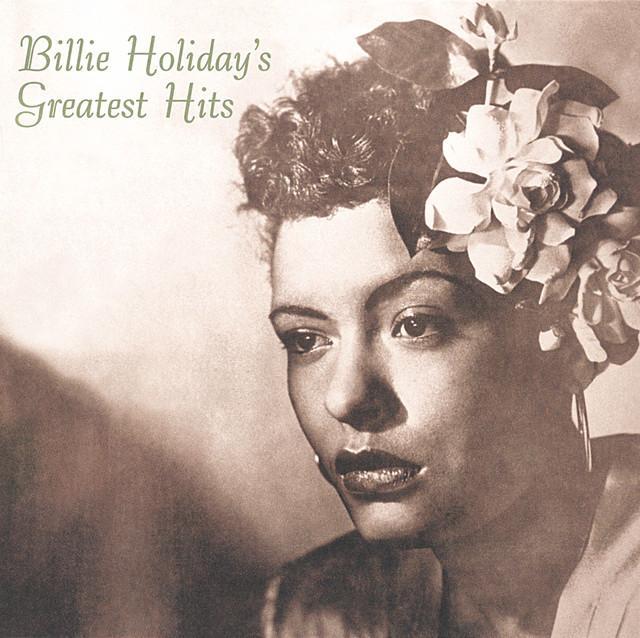
Lover Man by Billie Holiday
The meaning of Lover Man Billie Holiday starts with a simple feeling: deep loneliness. But the song does more than ask where love is. It turns desire into a late-night confession, where the singer is not just missing romance—they are missing warmth, touch, hope, and a sense of being chosen.
"Lover Man" - Billie Holiday
I long to try something I never had
Never had no kissing
Loading lyrics...
Unable to load lyrics
We're unable to display the lyrics at this time. Please try again later.
Billie Holiday recorded “Lover Man (Oh, Where Can You Be?)” in 1944, and it became one of the songs most closely linked to her career. The song was written by Jimmy Davis, Roger “Ram” Ramirez, and James Sherman, and Holiday’s version was released by Decca during a major period in her rise as a popular vocalist, as documented by the Billie Holiday official site and the GRAMMYs artist page.
A Torch Song Built on Need
At the most direct level, the song is about someone longing for a lover who has not arrived yet. The opening thought presents sadness without a clear cause, then quickly connects it to inexperience and desire. When the singer mentions feeling so sad
and never had no kissing
, the song frames love as both fantasy and lack.
That matters because this is not a breakup song. There is no lost partner to remember. Instead, the singer aches for something they have only imagined. That makes the emotional space even larger. They are grieving an absence, not a memory.
Watch the official Lover Man
music video
The Voice Reaches Into an Empty Room
The lyrics place the listener in a cold, quiet night. The line about being alone under the moon creates a classic torch-song setting, but the image works because it is so bare. A moon should feel beautiful, yet here it only highlights emptiness.
When the singer says the night is cold
and asks where can you be
, the plea is not dramatic in a showy way. It sounds worn down. The repeated call to the absent “lover man” becomes the song’s central ache: they want one person, but even more, they want the pain to stop.
How the Lyrics Move From Want to Prayer
One of the strongest parts of the song is the way it grows more intense. It starts with sadness and wanting affection, then moves into a near-spiritual kind of longing. Romance is described as a dreamlike promise, something heard about but not fully known.
I've heard it said
the thrill of romance
can feel almost heavenly.
That shift is important. The singer is not just asking for dates or flirtation. They are placing love in the space usually held by faith, hope, or rescue. The lyric about prayer suggests that desire has become ritual. Night after night, they imagine someone who could dry tears and whisper comfort.
Interpretation: This is why the song feels bigger than a standard love ballad. The missing lover can be heard as a symbol for emotional salvation itself.
Billie Holiday’s Performance Changes the Meaning
Holiday did not write the song, but their performance is a huge part of why people still talk about it. According to the Library of Congress essay on Holiday and career histories from Encyclopaedia Britannica, Holiday became known for bending melody, delaying phrases, and making songs feel lived-in rather than merely sung.
That style matters here. “Lover Man” can read on paper like a polished pop standard. In Holiday’s voice, it becomes fragile and human. They stretch words, lean into pauses, and let the sadness hang in the air. Instead of sounding like a performer acting lonely, they sound like someone caught inside the feeling.
Why the Arrangement Feels So Late at Night
The production supports that reading. Holiday’s recording uses a slow tempo and a soft, swaying orchestral jazz setting. Brass and reeds do not crowd the vocal; they create space around it. The result is intimate, almost dimly lit.
This matters for the meaning of Lover Man Billie Holiday because the arrangement does not promise release. It does not build toward triumph. It circles the same ache, letting the listener stay in longing rather than escape it.
A Few Key Musical Clues
- The tempo is slow, which lets each line feel heavy.
- The band sounds restrained, keeping focus on the voice.
- Holiday’s phrasing turns the melody into conversation.
- The repeated hook feels less catchy than pleading.
Themes Hidden Inside the Simple Words
Several themes run through the song:
Loneliness
The most obvious theme is isolation. The singer has a world around them—night, moon, dreams—but no human closeness.
Innocence and yearning
The mention of inexperience gives the song a tender edge. Wanting love is mixed with curiosity about what love even feels like.
Fantasy as survival
The future lover is imagined in detail: tears dried, sweet words whispered, physical closeness finally shared. Fantasy helps the singer survive the present.
Love as rescue
Interpretation: The absent lover may represent more than romance. They may stand for safety, emotional healing, or relief from despair.
Why the Song Still Hurts
“Lover Man” lasts because it speaks plainly. It does not hide behind cleverness. It says the hard thing many people feel but do not say out loud: they want to be loved, and waiting hurts.
Holiday’s version remains powerful because the performance sounds exposed. The song is not about winning love. It is about living inside its absence.
That is the lasting power of the meaning of Lover Man Billie Holiday: it turns loneliness into sound and gives desire a human face.
Disclaimer: This interpretation blends documented context with critical reading of the lyrics and performance. As with most classic songs, listeners may hear different meanings in the same lines.







