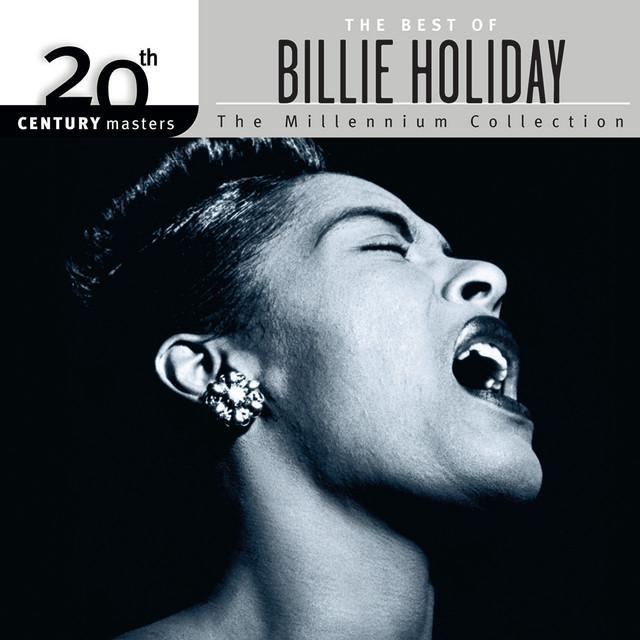
Strange Fruit by Billie Holiday
The Song’s Core Wound
The meaning of Strange Fruit Billie Holiday starts with its central image: the song turns a tree into a witness to racial terror. It is a protest song about the lynching of Black Americans, especially in the South. Instead of speaking in a distant or polite way, it forces listeners to picture violence that many people preferred to ignore.
"Strange Fruit" - Billie Holiday
Blood on the leaves and blood at the root
Black bodies swinging in the southern breeze
Loading lyrics...
Unable to load lyrics
We're unable to display the lyrics at this time. Please try again later.
Written by Abel Meeropol under the pseudonym Lewis Allan, the song began as a poem called Bitter Fruit in 1937. According to Wikipedia, Meeropol was moved by a photograph of a 1930 lynching in Marion, Indiana. When Billie Holiday recorded it in 1939, the piece became one of the most powerful songs ever sung in American music.
Watch the official Strange Fruit
music video
Why the Image of “Fruit” Hits So Hard
The song’s brilliance lies in contrast. It opens with what sounds like a calm Southern landscape, then twists that picture into horror. The phrase strange fruit
is not mysterious for long. It stands for lynched Black bodies hanging from trees.
That metaphor matters because it exposes how violence had been folded into ordinary life. The song places murder inside nature, farming, and regional pride. It mentions beauty and then destroys that beauty with images of blood, death, and decay.
blood on the leaves
blood at the root
In just those few words, the song suggests that the crime is not only visible on the surface. It is built into the system itself. Interpretation: the “root” can be heard as the deeper foundation of American racism, not just one isolated act.
A Pastoral Scene Turned Inside Out
One of the song’s sharpest moves is how it mocks the idea of the noble Old South. It gestures toward a pretty landscape, then replaces romance with brutality. The line about the pastoral scene
is deeply sarcastic.
The song also uses smell in a disturbing way. It moves from magnolia sweetness to the odor of death and burning flesh. That shift is important because it makes the violence feel physical and unavoidable. This is not a symbolic complaint only. It is a direct confrontation with what lynching did to real bodies.
Interpretation: the song argues that any beautiful picture of Southern life is false if it leaves out racial terror. The landscape itself becomes morally corrupted.
Billie Holiday’s Performance Changed Everything
Holiday did not write the song, but they transformed its reach and meaning through performance. She first sang it at Café Society in New York, one of the first integrated nightclubs in the country. Accounts of those performances describe a ritual: waiters stopped serving, the room went dark, a spotlight held on Holiday’s face, and there was no encore after the song. That staging turned the performance into an act of witness rather than entertainment.
That context matters for understanding the meaning of Strange Fruit Billie Holiday. She sang it slowly, with restraint, and without melodrama. The power comes from control. Rather than shouting, they let the words land with dreadful calm.
Columbia reportedly would not record it, fearing backlash in the South, so Holiday cut it for Commodore Records in 1939. That version, arranged and produced by Milt Gabler, became Holiday’s biggest-selling record, reportedly reaching a million copies. The story of its release, also summarized by the Library of Congress, shows how risky the song was seen to be.
How the Music Carries the Meaning
The arrangement is sparse and patient. There is no lush swing-band excitement to soften the lyrics. The long instrumental opening creates dread before Holiday even begins. When the vocal enters, it feels less like a performance and more like testimony.
The tempo is slow, and the pauses matter. They leave room for listeners to sit with each image. Jazz often invites improvisation and movement, but here the music feels pinned down, almost ceremonial.
Holiday’s voice is also key. She does not oversing lines like southern breeze
or bitter crop
. That understatement makes the words sound colder and more final. The song ends not with relief, but with a sense of moral shock.
Protest Song, Art Song, National Reckoning
Factually, “Strange Fruit” is widely regarded as one of the earliest major American protest songs to confront lynching so directly. Its influence has lasted for decades. Time famously called it the best song of the century, and the recording was added to the National Recording Registry.
Its reception also explains its force. Atlantic co-founder Ahmet Ertegun called it “a declaration of war,” a brief quote that captures how radical it felt. This was not a coded message. It named a national crime in poetic form.
Interpretation: the song lasts because it does two things at once:
- It documents racial violence.
- It condemns the culture that allowed it.
- It turns silence into public memory.
That is why later covers by artists such as Nina Simone still carry heavy weight. The song is not easy to separate from its history, and that difficulty is part of its meaning.
The Lasting Meaning Today
Today, the meaning of Strange Fruit Billie Holiday remains painfully clear. The song is about lynching, but it is also about denial, public silence, and the way a nation can hide cruelty behind beauty, custom, and myth.
Holiday’s version makes listeners stop and look. It strips away excuses. What remains is grief, accusation, and remembrance.
In the end, “Strange Fruit” is not meant to comfort. It is meant to tell the truth in a form people cannot easily forget.
Disclaimer: This interpretation blends documented history with clearly labeled analysis. Meanings can deepen or shift for different listeners over time.









